
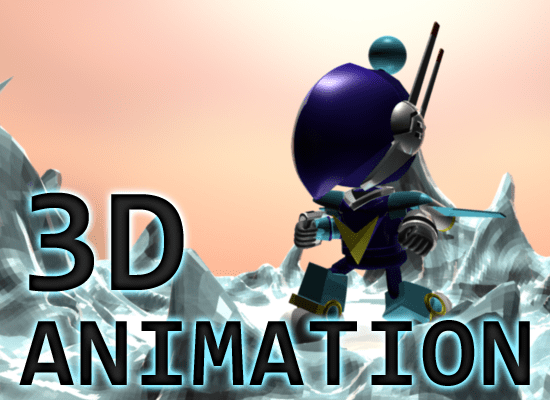
The world of animation and visual storytelling relies on one crucial technical art that often remains behind the scenes yet defines the final outcome—3D rigging. In Nepal’s rapidly evolving creative industry, 3D rigging in Nepal has become a foundational service for animation, gaming, advertising, architecture, and film production. At Pinnacle Animations, 3D rigging is treated as both a technical discipline and an artistic craft, ensuring characters and objects move naturally, believably, and expressively.
As demand for high-quality animation grows locally and internationally, Nepal has positioned itself as a promising hub for professional 3D rigging services. This in-depth content explores the importance, process, applications, and future of 3D rigging in Nepal through a practical and human-centered lens.
3D rigging is the process of creating a digital skeleton that allows a 3D model to move. This skeleton, made of joints, controls, and constraints, enables animators to pose and animate characters or objects realistically.
In the context of 3D rigging in Nepal, rigging bridges the gap between static 3D models and dynamic animation. Pinnacle Animations ensures that every rig is intuitive, flexible, and animation-ready, making the animation process smoother and more efficient.
Rigging is not visible to the audience, but its quality directly determines how believable the final animation feels.
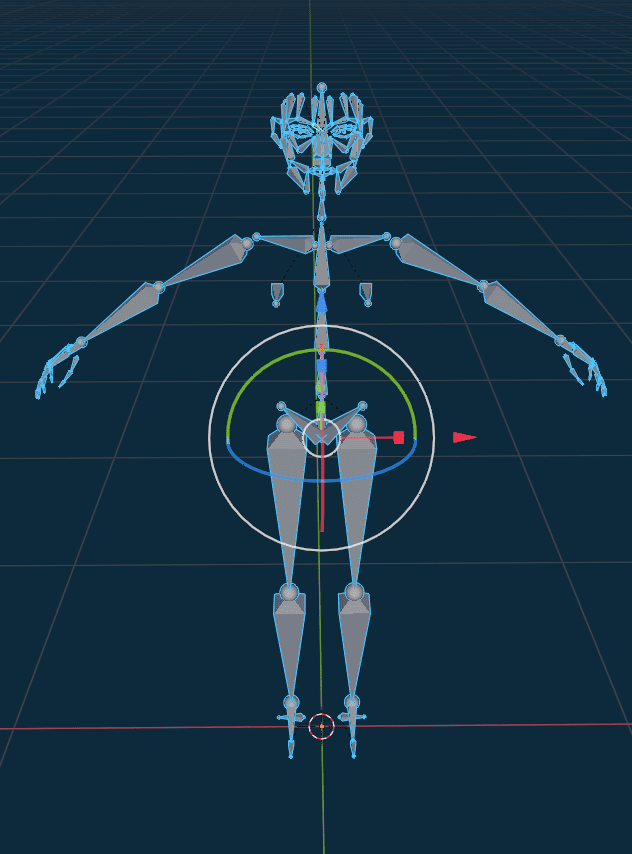
Without proper rigging, even the most beautifully modeled character cannot move correctly. 3D rigging in Nepal plays a critical role in maintaining anatomical accuracy, smooth deformation, and expressive movement.
At Pinnacle Animations, rigging is designed to support emotion, personality, and performance. Whether it’s a subtle facial expression or a complex body movement, a well-built rig allows animators to bring characters to life convincingly.
This is why rigging is considered the backbone of animation production.
Nepal’s animation and digital production industry has grown significantly in recent years. With increased demand for animated content in advertising, education, gaming, and entertainment, 3D rigging in Nepal has become a highly sought-after skill.
Pinnacle Animations contributes to this growth by delivering rigging services that meet international production standards. Nepalese studios now collaborate with global clients, proving that local expertise can compete on a worldwide scale.
This growth reflects both technical advancement and creative maturity in the industry.
3D rigging is a unique discipline that blends artistic understanding with technical precision. A rigger must understand anatomy, physics, and movement while also mastering software and scripting.
In 3D rigging in Nepal, Pinnacle Animations emphasizes this balance. The rigs are engineered for stability and efficiency while allowing artistic freedom during animation. This harmony ensures that characters feel natural rather than mechanical.
The result is motion that feels organic and emotionally engaging.
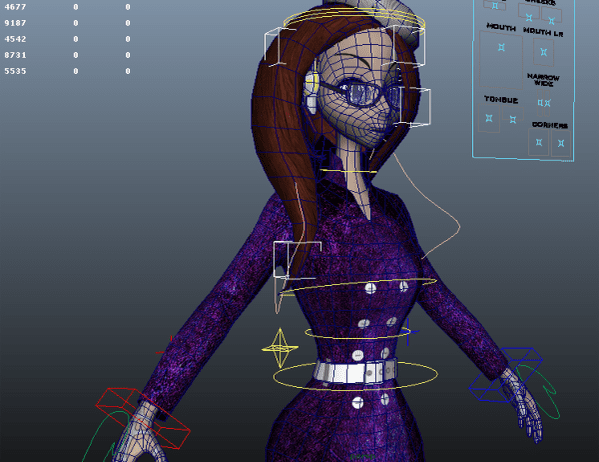
Character rigging is one of the most demanding aspects of 3D rigging in Nepal. It involves building complex skeletal systems that support realistic movement, facial expressions, and body mechanics.
Pinnacle Animations creates character rigs that support full-body motion, facial animation, and secondary movements like clothing or accessories. Each rig is tailored to the character’s design and role in the story.
This level of customization allows animators to focus on performance rather than technical limitations.
Facial rigging is essential for storytelling. A character’s emotions are conveyed through subtle facial movements that require precise control systems.
In 3D rigging in Nepal, Pinnacle Animations builds facial rigs that support a wide range of expressions, from simple emotions to complex dialogue-driven performances. These rigs allow animators to fine-tune expressions with accuracy and ease.
Effective facial rigging transforms characters from lifeless models into expressive storytellers.
Natural movement depends heavily on proper body rigging. Joints must rotate realistically, and deformations must look anatomically correct.
Pinnacle Animations ensures that 3D rigging in Nepal follows realistic body mechanics. This includes proper joint placement, smooth skin deformation, and balanced weight distribution.
Such attention to detail results in animations that feel grounded and believable.
Game animation requires rigs that are optimized for real-time performance. Unlike film animation, game rigs must be efficient and lightweight.
3D rigging in Nepal for gaming focuses on performance without sacrificing quality. Pinnacle Animations designs game-ready rigs that work seamlessly within interactive environments while maintaining smooth animation.
This approach supports Nepal’s growing presence in the gaming and interactive media sector.
Not all rigging involves characters. Mechanical and hard surface rigging is used for vehicles, machinery, robots, and architectural elements.
Pinnacle Animations provides 3D rigging in Nepal for complex mechanical objects, ensuring precise movement and realistic functionality. Constraints and control systems are carefully designed to replicate real-world mechanics.
This type of rigging is widely used in industrial visualization and product animation.
Advertising often requires quick, expressive, and visually appealing animations. 3D rigging in Nepal supports this by enabling dynamic movement for brand mascots, products, and promotional characters.
Pinnacle Animations creates rigs that allow fast iteration and flexible posing, ideal for marketing campaigns with tight deadlines.
This efficiency helps brands communicate their message clearly and creatively.
No two projects are the same, which is why customization is essential in 3D rigging in Nepal. Each rig must be adapted to the specific needs of the project.
Pinnacle Animations custom-builds rigs based on character design, animation style, and production requirements. This ensures optimal performance and usability for animators.
Customization enhances both quality and productivity throughout the animation pipeline.
A clean rig is easy to use, maintain, and modify. Poorly structured rigs can slow down production and cause technical issues.
Pinnacle Animations emphasizes clean workflows in 3D rigging in Nepal. Control systems are clearly labeled, logically organized, and animator-friendly.
This clarity improves collaboration and reduces errors during animation.
Skinning is the process of attaching the 3D model to the rig so it deforms correctly during movement. High-quality skinning is essential for realistic animation.
In 3D rigging in Nepal, Pinnacle Animations focuses on smooth deformations around joints, ensuring natural bending and stretching.
Proper skinning enhances realism and prevents visual distractions.
Rig testing is a crucial step in the rigging process. A rig must perform well under various poses and movements.
Pinnacle Animations rigorously tests every rig created for 3D rigging in Nepal. This includes stress testing extreme poses and animation scenarios.
Thorough testing ensures reliability and long-term usability.
Effective collaboration between riggers and animators improves final animation quality. Riggers must understand animator needs and workflows.
Pinnacle Animations fosters strong collaboration within its 3D rigging in Nepal pipeline. Feedback is incorporated to refine rigs for better performance and usability.
This teamwork results in smoother production and better animation outcomes.
Educational animations require clear, accurate movement to explain concepts effectively. 3D rigging in Nepal supports this by enabling precise and controlled animation.
Pinnacle Animations builds rigs that emphasize clarity and consistency, ideal for training videos and educational content.
Such rigging ensures that visual explanations are both accurate and engaging.
Different animation styles require different rigging approaches. Cartoon animation demands exaggerated motion, while realistic animation requires subtlety.
Pinnacle Animations adapts 3D rigging in Nepal to suit the animation style, ensuring flexibility for creative expression.
This adaptability allows diverse storytelling approaches within the same technical framework.
Virtual production and digital media rely heavily on responsive and efficient rigs. 3D rigging in Nepal supports real-time workflows and virtual environments.
Pinnacle Animations designs rigs that integrate smoothly into modern digital production pipelines, supporting innovation and experimentation.
This capability positions Nepal for future-forward media production.
Professional rigging requires deep technical knowledge, including anatomy, kinematics, and problem-solving.
Pinnacle Animations brings this expertise to 3D rigging in Nepal, ensuring rigs are both robust and flexible. Technical precision supports artistic freedom.
This balance defines professional-grade rigging services.
Large projects often involve multiple characters that must move consistently within the same world.
3D rigging in Nepal at Pinnacle Animations ensures consistent rig standards across multiple assets, maintaining visual coherence.
Consistency strengthens storytelling and production efficiency.
Efficient rigs save time and resources. Overly complex rigs can slow down animation and increase rendering issues.
Pinnacle Animations optimizes 3D rigging in Nepal to balance functionality and performance, ensuring smooth production workflows.
Efficiency is key to meeting deadlines without compromising quality.
Rigging directly affects how a story is told. Expressive movement and body language are essential storytelling tools.
Pinnacle Animations understands that 3D rigging in Nepal is not just technical—it’s narrative-driven. Each rig supports the emotional and dramatic needs of the story.
This approach elevates animation from visuals to meaningful storytelling.
The future of 3D rigging in Nepal is promising. As animation, gaming, and virtual media continue to grow, demand for skilled riggers will increase.
Pinnacle Animations remains focused on innovation, skill development, and global standards, helping Nepal establish itself as a trusted source for professional rigging services.
The industry is poised for long-term growth and creative excellence.
Pinnacle Animations stands out for its dedication to quality, customization, and collaboration. Every rig is crafted with attention to detail, technical precision, and animator usability.
Their approach to 3D rigging in Nepal combines global production standards with local creative insight, delivering reliable and expressive rigs for diverse projects.
This commitment makes Pinnacle Animations a trusted partner for professional 3D rigging.
3D rigging in Nepal is a critical foundation of modern animation and digital storytelling. It transforms static models into expressive, dynamic characters and objects that engage audiences across industries.
With expertise, creativity, and technical excellence, Pinnacle Animations continues to shape the future of rigging in Nepal. As the digital landscape expands, high-quality rigging will remain essential to creating motion that feels real, meaningful, and alive.
3D rigging is the process of creating a digital skeleton for a 3D model so it can move. This skeleton includes joints, controls, and constraints that allow animators to pose and animate characters or objects realistically.
Without proper rigging, a 3D model cannot move correctly. Rigging determines how natural, smooth, and believable the animation will look, making it a critical step in the animation pipeline.
3D rigging in Nepal refers to professional rigging services provided by Nepalese studios like Pinnacle Animations for animation, gaming, advertising, education, and film projects.
Demand has increased due to growth in animation, gaming, digital marketing, and virtual content production, both for local and international clients.
Industries include animation studios, game development, advertising agencies, film production, education, architecture visualization, and product design.
Character rigging focuses on creating a skeletal system for human, animal, or fantasy characters so they can move, act, and express emotions naturally.
Facial rigging creates controls for eyes, eyebrows, mouth, and facial muscles, allowing animators to create expressions, lip-sync, and emotional performances.
Facial expressions communicate emotion. Without proper facial rigging, characters appear lifeless and fail to connect emotionally with the audience.
Body rigging involves setting up joints and controls for arms, legs, spine, and torso to ensure realistic movement and balance.
High-quality rigging results in smooth movement, natural deformation, and expressive animation, while poor rigging causes stiffness and unrealistic motion.
Skinning attaches the 3D model’s mesh to the rig so the surface deforms correctly when joints move.
Good skinning prevents unnatural stretching, collapsing joints, and visual errors during animation.
Mechanical rigging is used for non-organic objects like machines, vehicles, robots, and industrial equipment.
Mechanical rigging focuses on precise movement and constraints, while character rigging focuses on flexibility, anatomy, and expression.
Hard surface rigging deals with rigid objects that require controlled movement, such as doors, gears, cranes, or robotic arms.
Yes. Game-ready rigs are essential for character movement and interaction in real-time environments.
Game rigs are optimized for performance and efficiency, while film rigs allow more complexity and detail.
Clear controls, logical structure, smooth deformation, and easy-to-use interfaces make a rig animator-friendly.
Pinnacle Animations focuses on clean structure, customization, animator usability, and production-ready quality.
Yes. Rigging can be adjusted for realistic, cartoon, exaggerated, or stylized animation styles.
Inverse kinematics allows animators to move limbs naturally by controlling hands or feet rather than rotating each joint manually.
Forward kinematics involves rotating joints one by one, useful for precise and controlled movements.
Controls allow animators to manipulate the rig easily without touching the internal skeleton structure.
Rig testing involves pushing the rig into extreme poses to identify deformation or control issues before animation begins.
Testing ensures the rig performs reliably throughout the animation process and prevents production delays.
Sometimes, similar characters can share a rig structure, but custom rigging ensures the best results.
Understanding anatomy helps riggers place joints correctly and create realistic movement.
Well-designed rigs allow subtle movements and expressions that convey emotion naturally.
No. Rigging is also used for props, vehicles, machinery, architectural elements, and even cameras.
Efficient rigs speed up animation by reducing technical issues and simplifying control.
Clean rigging refers to organized control systems, readable naming, and stable functionality.
It improves collaboration, reduces confusion, and allows multiple animators to work efficiently.
Minor adjustments are possible, but major changes can affect existing animations.
Through careful planning, testing, animator feedback, and quality checks.
Yes. Accurate and controlled movement is essential for clear educational visuals.
Rigging allows quick posing, expressive movement, and efficient revisions for marketing campaigns.
Constraints control how objects or joints move relative to each other, ensuring realism.
Yes. Advanced rigs support complex actions like jumping, running, and facial dialogue.
Proper rigging ensures movements follow physical and anatomical rules.
It is both. Rigging requires technical knowledge and artistic understanding of movement.
Yes. Real-time animation relies heavily on responsive and efficient rigs.
Professional studios use industry-standard 3D software with custom control systems.
A well-built rig remains usable across multiple scenes, episodes, or versions.
Poor rigging leads to stiff animation, visual errors, and production delays.
Yes. Rigs can be designed based on project complexity and duration.
It enables body language, timing, and expressions that enhance narrative impact.
Yes. As animation, gaming, and virtual content grow, rigging becomes even more important.
By following professional workflows, testing processes, and animation-ready rig designs.
Yes. Rigging helps demonstrate product movement and functionality clearly.
A stable rig ensures characters move the same way throughout the project.
Secondary motion includes subtle movements like clothing, accessories, or follow-through.
It adds realism and life to animation.
Yes. Rigs can be designed specifically for exaggerated deformation.
By adjusting control systems and deformation behavior.
No, but rigging is essential for any movement or animation.
Time depends on character complexity and animation requirements.
Animator feedback helps refine rigs for better usability.
Yes. Creature rigging is a specialized form of character rigging.
By replicating muscle movement, joint behavior, and natural motion patterns.
Technical precision, customization, animator-focused design, and consistent quality.
Yes. Rigs can be scaled based on project needs.
Efficient rigs reduce technical issues during rendering.
With proper planning, rigs can be adapted across workflows.
Good rigging speeds up animation and reduces revision time.
Balancing flexibility, stability, and performance.
Some parts can be automated, but professional results require manual expertise.
By allowing precise control over movement and expressions.
Yes. Demand continues to grow across industries.
Well-built rigs allow adjustments as projects evolve.
Because it transforms static models into expressive, believable characters and objects that engage audiences effectively.
Animating Knowledge: How Motion is Transforming Modern Educational CampaignsIntroduction: Education in the Age of MotionUnderstanding Modern Educational CampaignsWhy Animation Resonates with Today’s LearnersSimplifying Complex Concepts[...]
Power of Logo Animation for Brand Identity: Turning Static Logos into Living Brand Symbols with Pinnacle AnimationsThe Evolution of Logos in a Digital-First WorldWhy Brand[...]
How Animation Boosts Brand Awareness: Bringing Brands to Life with Pinnacle AnimationsThe Power of Animation in the Modern Branding LandscapeWhy Visual Storytelling Matters for Brand[...]