
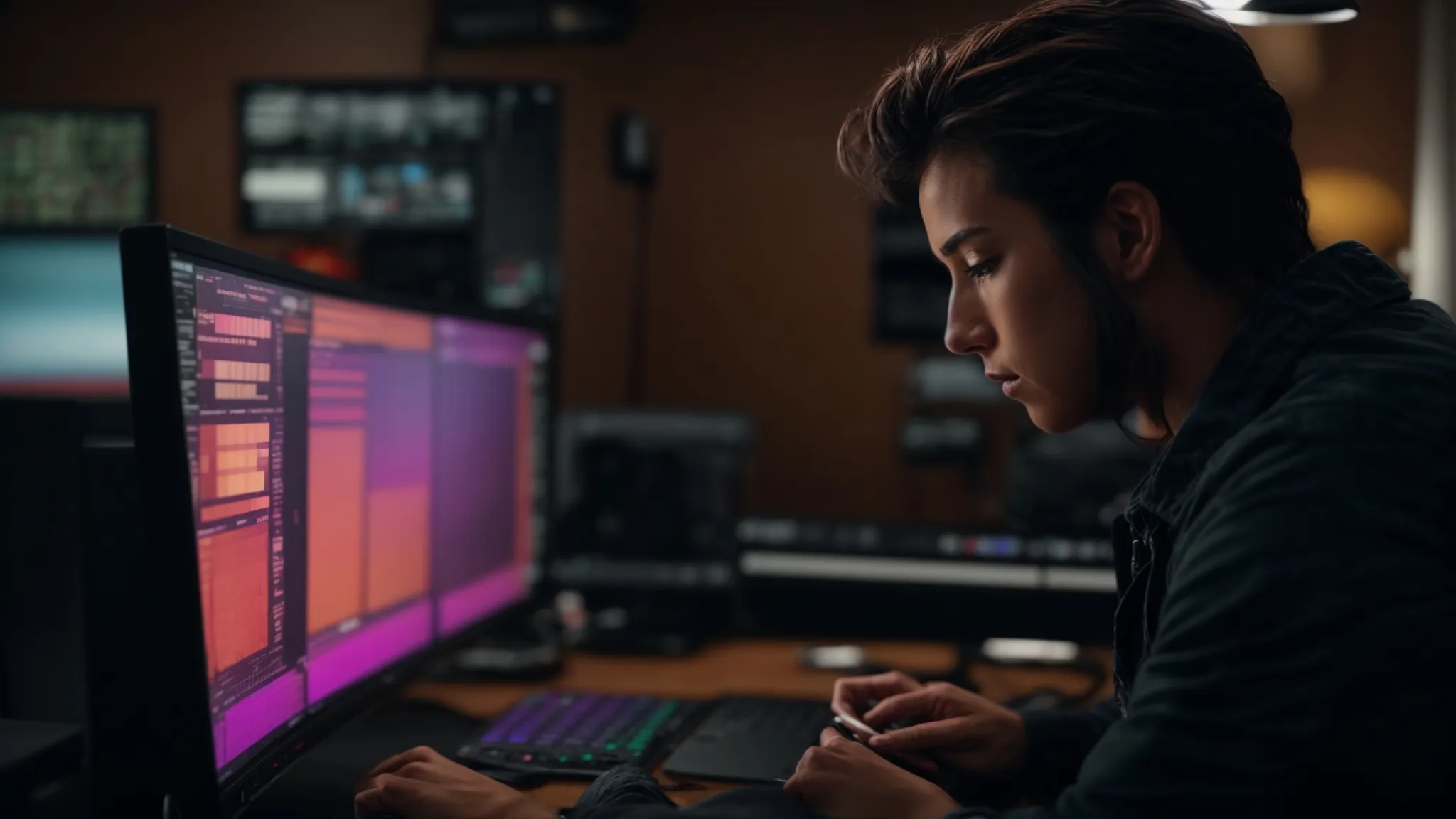
Cinematic Color Grading in Nepal: Cinematic color grading in Nepal has evolved into a defining element of modern visual storytelling. What was once considered a finishing touch has now become a powerful narrative tool that shapes emotion, atmosphere, and audience perception. From films and commercials to digital content and branded visuals, color grading plays a vital role in how stories are felt, not just seen. At the forefront of this creative transformation stands Pinnacle Animations, a studio committed to delivering cinematic color grading that matches global standards while preserving local identity.
Cinematic color grading in Nepal has gained momentum as audiences become more visually aware and content platforms demand higher production quality. Viewers now expect consistent tones, professional contrast, and emotionally resonant visuals. Color grading bridges the gap between raw footage and cinematic experience. Pinnacle Animations has been instrumental in meeting this demand by offering refined color workflows that enhance storytelling across industries.
Color grading is more than fixing exposure or white balance. Cinematic color grading shapes the mood of a scene, guides the viewer’s eye, and reinforces narrative intent. It transforms ordinary visuals into expressive cinematic frames. Pinnacle Animations approaches grading as a creative process, not just a technical adjustment, ensuring every project carries a distinct visual identity.
In the early days, color grading in Nepal was limited to basic corrections due to technical constraints. Today, advanced software, calibrated monitors, and trained colorists have changed the landscape. Cinematic color grading now follows structured pipelines similar to international productions. Pinnacle Animations has played a key role in introducing professional grading standards and workflows that elevate local content.
Color has a direct psychological impact on viewers. Warm tones can evoke nostalgia or intimacy, while cool tones often suggest tension or isolation. Cinematic color grading in Nepal increasingly focuses on emotional storytelling. Pinnacle Animations carefully designs color palettes that align with the emotional arc of each project, ensuring visuals support the story at every moment.
Nepali cinema has embraced color grading as an essential storytelling tool. Films now rely on consistent looks to differentiate timelines, moods, and characters. Pinnacle Animations collaborates closely with directors and cinematographers to preserve artistic intent while enhancing cinematic depth. The result is visually cohesive films that feel polished and immersive.
Advertising demands instant visual impact. Cinematic color grading helps commercials stand out by enhancing product appeal and brand tone. In Nepal’s competitive advertising space, Pinnacle Animations creates striking color grades that make brands memorable while maintaining realism and consistency across campaigns.
Digital platforms have changed how content is consumed. Short-form videos require strong visual hooks. Cinematic color grading in Nepal now extends beyond cinema and television into social media, online campaigns, and digital branding. Pinnacle Animations adapts cinematic looks for different platforms without sacrificing quality or performance.
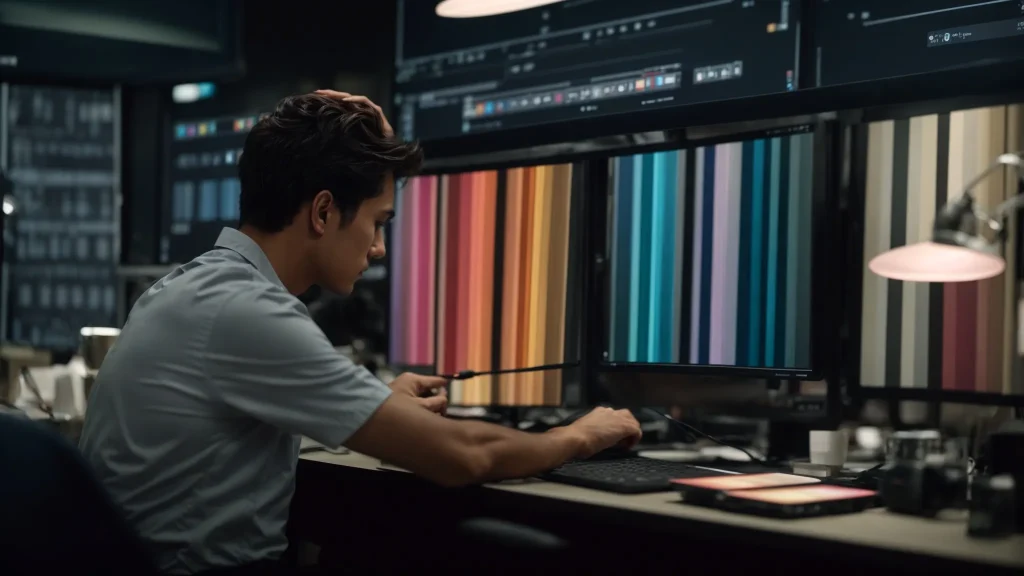
A professional color grading workflow begins with footage preparation, followed by primary correction and creative grading. Final refinement ensures consistency across shots. Pinnacle Animations follows a disciplined workflow that allows creative flexibility while maintaining technical accuracy. This structured approach ensures reliable results across projects of all scales.
Primary color correction ensures balanced exposure, contrast, and white balance. It creates a neutral foundation for creative grading. Pinnacle Animations emphasizes precise correction to avoid visual inconsistencies and to ensure that creative color choices feel intentional rather than forced.
Creative grading defines the visual signature of a project. This includes contrast curves, color separation, and tonal balance. Cinematic color grading in Nepal has moved toward intentional look design rather than generic presets. Pinnacle Animations develops custom looks that align with story, brand, and audience expectations.
Maintaining consistency is one of the biggest challenges in color grading. Different lighting conditions and camera settings can cause variations. Pinnacle Animations uses professional techniques to match shots seamlessly, ensuring smooth visual flow throughout the project.
Different genres require different color approaches. Drama often benefits from subtle, natural tones, while action and thrillers may use high contrast and stylized palettes. Pinnacle Animations tailors cinematic color grading in Nepal to suit each genre, ensuring visual language supports narrative style.
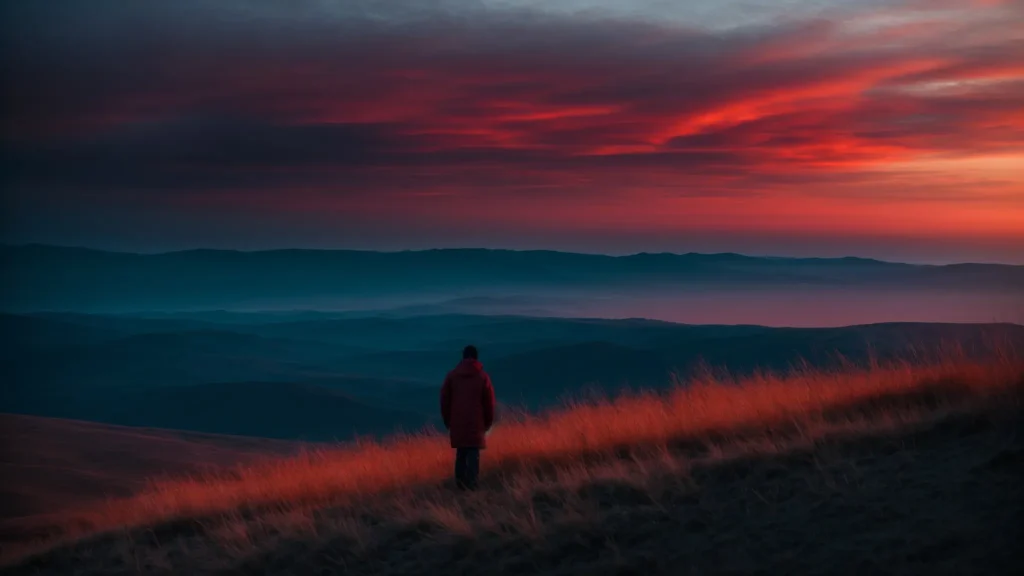
Nepal’s cultural richness influences visual aesthetics. Traditional colors, landscapes, and rituals inspire grading choices that feel authentic. Pinnacle Animations respects cultural context when grading projects, blending cinematic techniques with local visual sensibilities to create relatable yet refined visuals.
Documentaries demand honesty and clarity. Cinematic color grading enhances realism without exaggeration. Pinnacle Animations applies restrained grading techniques that preserve authenticity while improving visual coherence and emotional impact.
Professional color grading requires calibrated displays and controlled environments. Pinnacle Animations invests in proper color management to ensure accurate results across screens and platforms. This technical precision ensures that graded visuals look consistent whether viewed in cinemas, televisions, or mobile devices.
High dynamic range has introduced new possibilities in cinematic color grading. Nepal’s content creators are gradually adopting HDR workflows. Pinnacle Animations stays updated with modern grading standards, ensuring compatibility with current and future display technologies.
Successful cinematic color grading depends on collaboration. Pinnacle Animations encourages open communication with directors and cinematographers to understand creative vision. This collaborative process ensures that grading enhances, rather than alters, the original intent of the project.
Brands rely on consistent visuals to build recognition. Cinematic color grading helps establish and maintain brand identity. Pinnacle Animations creates grading styles that align with brand values, ensuring visual consistency across multiple campaigns and platforms.
Turnaround time is critical in modern production. Pinnacle Animations balances efficiency with attention to detail. Streamlined workflows allow cinematic color grading in Nepal to meet deadlines without sacrificing quality or creative depth.
Nepal offers a cost advantage in post-production services. Pinnacle Animations provides high-quality cinematic color grading at competitive rates, making professional visuals accessible to filmmakers, businesses, and content creators.
The future of cinematic color grading in Nepal depends on skilled professionals. Pinnacle Animations supports talent development through hands-on experience and exposure to real-world projects. This commitment strengthens the industry and ensures consistent quality.
Common challenges include inconsistent footage, limited lighting control, and tight budgets. Pinnacle Animations addresses these issues through careful planning, technical expertise, and creative problem-solving, turning limitations into strengths.
As visual standards continue to rise, cinematic color grading in Nepal will play an even greater role in storytelling. Emerging technologies and global exposure will further shape grading styles. Pinnacle Animations remains focused on innovation while maintaining strong artistic fundamentals.
Pinnacle Animations stands out due to its balance of artistry and technical discipline. The studio understands that color grading is not just about looks, but about emotion, clarity, and storytelling impact. Each project receives personalized attention, ensuring meaningful and cinematic results.
Investing in cinematic color grading elevates production value and audience engagement. Whether for films, commercials, or digital media, professional grading enhances credibility and emotional connection. Pinnacle Animations helps clients see color grading as a long-term creative investment.
Cinematic color grading in Nepal has matured into a powerful creative discipline. With growing awareness, skilled professionals, and evolving technology, the industry is poised for continued growth. Pinnacle Animations continues to shape this journey by delivering cinematic color grading that transforms visuals into compelling stories, ensuring Nepal’s content stands confidently on the global stage.
Cinematic color grading is the creative process of enhancing and stylizing video colors to create a specific mood, emotion, and visual identity similar to high-end films.
Color correction fixes technical issues like exposure and white balance, while cinematic color grading focuses on creative storytelling, mood, and visual style.
As Nepali audiences expect higher-quality visuals, cinematic color grading helps local films look professional, emotionally engaging, and internationally competitive.
It is rapidly growing across films, commercials, music videos, digital ads, and online content as production standards rise.
Yes, color grading strongly influences how viewers feel by controlling warmth, contrast, saturation, and color balance.
Pinnacle Animations delivers professional cinematic color grading by combining technical accuracy with creative storytelling tailored to each project.
No, it is widely used in advertisements, documentaries, social media videos, corporate films, and branded content.
The time depends on project length and complexity, ranging from a few hours for short content to several days for feature-length productions.
Yes, well-shot footage with proper lighting and exposure allows better flexibility and higher-quality cinematic color grading.
It can be improved, but cinematic results are limited if the original footage lacks detail or has severe exposure issues.
A cinematic look refers to controlled contrast, balanced skin tones, rich colors, and consistent visual mood across scenes.
It guides viewer focus, supports emotional beats, and visually connects scenes into a cohesive narrative.
Compared to international markets, Nepal offers cost-effective cinematic color grading without compromising professional quality.
Yes, colors inspired by Nepali landscapes, traditions, and lighting styles can be incorporated to maintain cultural authenticity.
All genres benefit, but drama, romance, thriller, and commercial content see particularly strong visual impact.
Look development is the process of designing a unique color style that defines the overall visual identity of a project.
Consistency ensures smooth visual flow, prevents distractions, and maintains professionalism throughout the video.
Yes, consistent color styles strengthen brand recognition and visual identity across campaigns.
Absolutely. Short-form content benefits greatly from cinematic grading that grabs attention quickly.
Professional grading preserves natural skin tones while enhancing the surrounding colors for balance and realism.
Color matching ensures all shots look consistent even if filmed under different lighting conditions.
Yes, professional cinematic color grading significantly increases perceived production value.
Contrast controls the difference between light and dark areas, shaping depth and visual intensity.
Yes, grading workflows align with global cinematic practices while adapting to local production needs.
It can improve balance, but it cannot fully replace proper lighting during filming.
It uses specific color tones to reflect emotions such as warmth, tension, sadness, or excitement.
Yes, it enhances clarity and emotional depth without compromising authenticity.
Visually pleasing and emotionally aligned colors keep viewers engaged longer.
Yes, older videos can be refreshed with modern cinematic color grading techniques.
It enhances product appeal, brand tone, and visual clarity to maximize impact.
Strong collaboration ensures the final look aligns with the director’s and client’s vision.
Yes, grading is adjusted for different screens, brightness levels, and viewing environments.
Yes, it helps independent creators compete visually with larger productions.
Saturation control manages color intensity to avoid overly dull or overly vibrant visuals.
Proper grading workflows adapt well to new display technologies and platforms.
Yes, trends evolve, but strong cinematic grading focuses on timeless storytelling.
Color changes subtly influence scene rhythm and emotional transitions.
It enhances or reduces specific colors without affecting the entire image.
Yes, it enhances visibility, mood, and realism without making scenes look artificial.
Music videos benefit greatly from stylized cinematic color grading.
Balanced grading maintains realism while enhancing visual depth.
It refers to how highlights, midtones, and shadows are controlled for visual harmony.
Yes, it ensures visual continuity across different environments.
It refines brightness and depth to avoid harsh or flat visuals.
Yes, it is a key step in delivering polished, professional-quality visuals.
Yes, effective cinematic grading is often subtle and emotionally driven.
Through calibrated workflows, experienced colorists, and detailed review processes.
Yes, revisions allow fine-tuning until the desired look is achieved.
It transforms raw footage into emotionally powerful visual storytelling.
Yes, it guides viewer focus and strengthens narrative flow.
Different color palettes can visually separate timelines or story arcs.
Yes, it enhances professionalism and brand trust.
Color tones amplify emotional weight without dialogue.
Yes, custom looks can be reused for brand or series consistency.
Yes, consistency and visual comfort are crucial for long viewing experiences.
It smooths transitions and maintains continuity between shots.
Color harmony ensures tones complement each other naturally.
It can help balance and refine visuals, though noise reduction is a separate process.
Yes, color grading reinforces tone without altering the script.
Contrast and color separation create a layered, three-dimensional feel.
Yes, cinematic visuals meet global audience expectations.
Short films benefit greatly from strong visual identity through grading.
It shapes how professional, emotional, and engaging content feels.
Yes, proper grading adds depth and definition.
Experience ensures balanced decisions that enhance storytelling.
Yes, visuals alone can convey powerful emotions.
It works for everything from short clips to full-length films.
It ensures visuals look consistent across platforms and devices.
It increases production value, engagement, and long-term visual impact.
Because Pinnacle Animations combines artistic vision, technical precision, and cultural understanding to deliver cinematic color grading that truly elevates storytelling.
Animating Knowledge: How Motion is Transforming Modern Educational CampaignsIntroduction: Education in the Age of MotionUnderstanding Modern Educational CampaignsWhy Animation Resonates with Today’s LearnersSimplifying Complex Concepts[...]
Power of Logo Animation for Brand Identity: Turning Static Logos into Living Brand Symbols with Pinnacle AnimationsThe Evolution of Logos in a Digital-First WorldWhy Brand[...]
How Animation Boosts Brand Awareness: Bringing Brands to Life with Pinnacle AnimationsThe Power of Animation in the Modern Branding LandscapeWhy Visual Storytelling Matters for Brand[...]