Editing Experts in Nepal

Table of Contents

Editing Experts in Nepal: Crafting Powerful Stories with Pinnacle Animations

Editing experts in Nepal have become the invisible architects behind compelling visual stories. While cameras capture moments, it is editing that shapes meaning, emotion, and flow. In recent years, Nepal has seen a remarkable rise in skilled editors who understand both technical precision and creative storytelling. At the heart of this transformation stands Pinnacle Animations, known for nurturing editing expertise that meets international standards while preserving local storytelling authenticity.


The Rising Demand for Editing Experts in Nepal

The demand for editing experts in Nepal has grown rapidly with the expansion of digital media, film production, advertising, and online platforms. Brands, filmmakers, educators, and content creators now recognize that professional editing is not optional but essential. Pinnacle Animations has been instrumental in meeting this demand by offering expert editing services that elevate raw footage into refined visual narratives.
Editing Experts in Nepal

Editing as the Backbone of Visual Storytelling

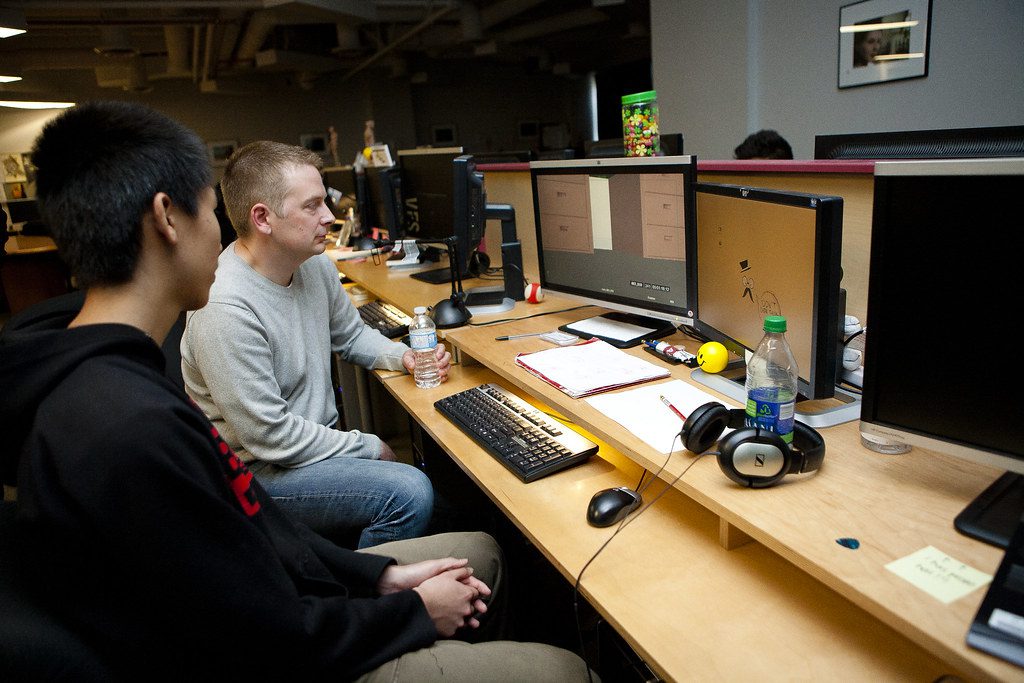
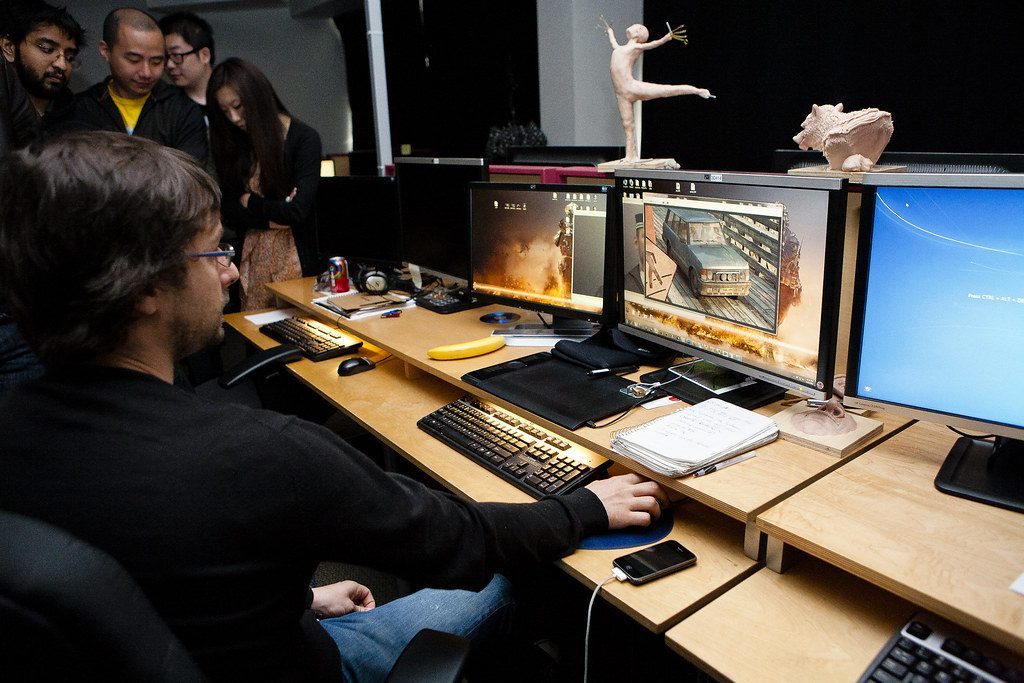
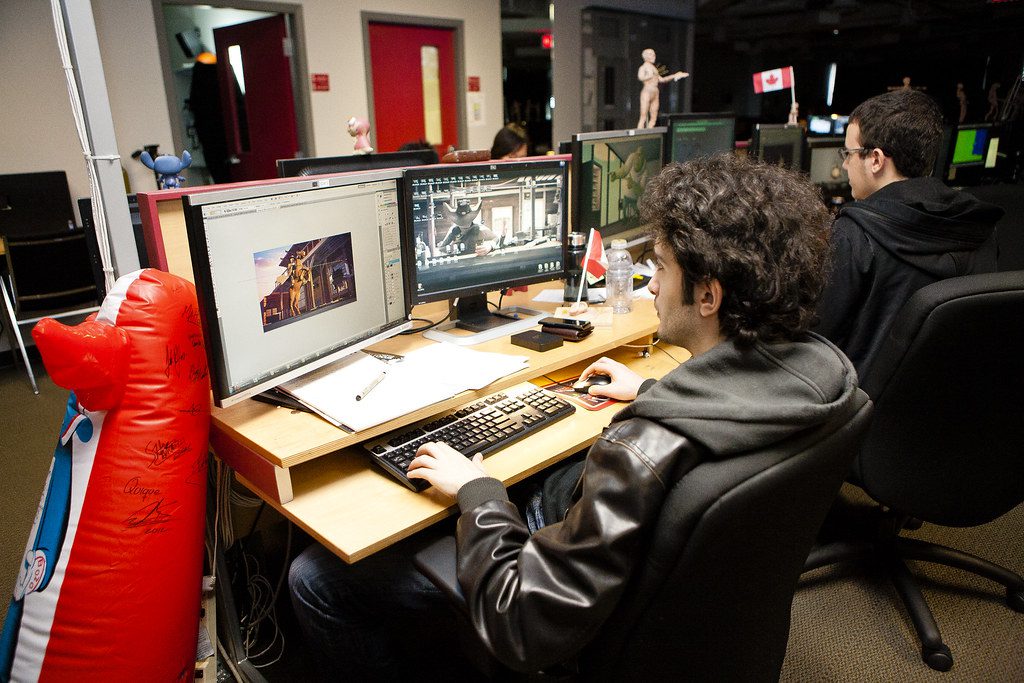
Editing is more than cutting clips together. It is the art of shaping time, emotion, and perspective. Editing experts in Nepal understand how to guide viewers through a story, control pacing, and emphasize meaning. Pinnacle Animations approaches editing as storytelling first, ensuring that every frame serves a purpose.


How Editing Expertise Has Evolved in Nepal

In the past, editing in Nepal was often limited by access to technology and formal training. Today, editing experts work with advanced tools and refined techniques. Pinnacle Animations has contributed to this evolution by adopting global best practices and encouraging continuous learning within the editing community.


The Role of Editing Experts in Modern Productions

Editing experts in Nepal play a crucial role across various industries. From feature films and documentaries to commercials and digital content, editors influence how audiences perceive stories. Pinnacle Animations ensures its editors are versatile, capable of adapting to different formats and creative goals.


Understanding the Editor’s Creative Responsibility

Editors hold immense creative responsibility. Their decisions affect tone, emotion, and clarity. Editing experts in Nepal working with Pinnacle Animations understand that storytelling integrity must be preserved while enhancing visual impact.
Editing Experts in Nepal

Precision and Attention to Detail in Editing

High-quality editing demands precision. Small adjustments in timing or transitions can dramatically affect viewer engagement. Pinnacle Animations emphasizes attention to detail, ensuring that each edit contributes to a seamless viewing experience.


Narrative Flow and Emotional Rhythm

One of the defining traits of editing experts in Nepal is their understanding of narrative rhythm. Pinnacle Animations editors carefully balance fast-paced sequences with quieter moments, creating emotional depth without overwhelming the audience.


Editing for Films and Long-Form Content

Film editing requires patience and narrative sensitivity. Editing experts in Nepal working on long-form projects focus on character development, continuity, and pacing. Pinnacle Animations ensures that film edits remain cohesive and emotionally engaging from beginning to end.

Editing Experts in Nepal

Commercial and Advertising Editing Expertise

Advertising demands clarity and impact within a short time. Editing experts in Nepal excel at delivering messages quickly without sacrificing creativity. Pinnacle Animations produces commercial edits that are visually striking and strategically effective.


Editing for Digital and Social Media Platforms

Digital platforms require adaptability. Short-form content demands quick hooks and dynamic pacing. Editing experts in Nepal at Pinnacle Animations understand platform-specific behaviors and optimize content accordingly.


Corporate Video Editing and Brand Identity

Corporate editing requires professionalism and consistency. Editing experts in Nepal help businesses communicate clearly and confidently. Pinnacle Animations aligns editing style with brand values, ensuring trust and credibility.


Documentary Editing with Authenticity

Documentaries demand honesty and respect for real stories. Editing experts in Nepal carefully balance storytelling enhancement with factual accuracy. Pinnacle Animations prioritizes authenticity, allowing real voices to shine through thoughtful editing.


Technical Skills That Define Editing Experts

Strong technical skills are essential for professional editing. Editing experts in Nepal are proficient in modern editing software, file management, and workflow organization. Pinnacle Animations ensures technical excellence across all projects.


The Importance of Sound in Editing

Sound is inseparable from visual storytelling. Editing experts in Nepal integrate audio seamlessly, ensuring dialogue clarity, ambient realism, and emotional impact. Pinnacle Animations treats sound as a core component of the editing process.


Seamless Transitions and Visual Continuity

Transitions guide viewers through scenes smoothly. Editing experts in Nepal focus on continuity to avoid distractions. Pinnacle Animations uses refined transition techniques that enhance storytelling without drawing unnecessary attention.


Color Awareness in Editing Decisions

While color grading is a separate process, editors must be color-aware. Editing experts in Nepal understand how color influences mood and continuity. Pinnacle Animations ensures editing choices complement the final visual tone.


Collaboration Between Editors and Directors

Successful editing relies on collaboration. Editing experts in Nepal work closely with directors, producers, and creative teams. Pinnacle Animations fosters open communication to ensure creative alignment throughout the editing process.


Managing Feedback and Revisions Professionally

Revisions are a natural part of editing. Editing experts in Nepal handle feedback constructively and efficiently. Pinnacle Animations follows structured revision systems that maintain quality while respecting timelines.


Time Management and Workflow Efficiency

Editing experts must balance creativity with deadlines. Pinnacle Animations emphasizes efficient workflows that allow editors to deliver high-quality results on schedule.


Editing as a Problem-Solving Skill

Editing often involves solving issues from production. Editing experts in Nepal creatively address continuity gaps, pacing challenges, and technical limitations. Pinnacle Animations values problem-solving as a core editing skill.


Training and Growth of Editing Talent in Nepal

The future of editing experts in Nepal depends on continuous learning. Pinnacle Animations supports skill development through real-world projects, mentorship, and exposure to diverse editing styles.


Cost-Effective Editing Expertise in Nepal

Nepal offers high-quality editing services at competitive rates. Pinnacle Animations delivers exceptional value by combining affordability with professional standards, making expert editing accessible to a wide range of clients.


Ethical Responsibility of Editing Experts

Editing shapes perception. Editing experts in Nepal carry ethical responsibility to represent stories truthfully. Pinnacle Animations emphasizes integrity and respect in all editing decisions.


Adapting Editing Styles to Global Standards

With international audiences in mind, editing experts in Nepal adapt to global storytelling trends. Pinnacle Animations ensures its editing output aligns with worldwide expectations while maintaining cultural authenticity.


The Creative Impact of Editing on Audience Engagement

Editing directly affects how audiences feel and respond. Editing experts in Nepal focus on engagement, ensuring viewers remain emotionally connected. Pinnacle Animations crafts edits that resonate deeply and leave lasting impressions.


Why Pinnacle Animations Is a Hub for Editing Experts

Pinnacle Animations stands out by combining creative vision, technical expertise, and disciplined workflows. Its editing experts consistently deliver polished results across diverse projects.


Editing Experts as Story Architects

Editors are the architects of visual stories. Editing experts in Nepal build narratives piece by piece, shaping how stories are experienced. Pinnacle Animations recognizes editors as central creative contributors, not just technicians.


The Future of Editing Expertise in Nepal

As content demand continues to rise, editing experts in Nepal will play an even more critical role. New technologies, platforms, and storytelling formats will shape the future. Pinnacle Animations remains committed to innovation while preserving the core principles of strong editing.


Editing Expertise as a Long-Term Investment

Investing in professional editing enhances credibility, engagement, and longevity of content. Editing experts in Nepal help creators maximize the value of their footage. Pinnacle Animations views editing as a long-term creative investment rather than a final technical step.


Final Thoughts on Editing Experts in Nepal

Editing experts in Nepal are redefining visual storytelling through skill, creativity, and discipline. With structured workflows and a passion for narrative excellence, Pinnacle Animations continues to lead this transformation. As stories grow more complex and audiences more discerning, expert editing remains the key to powerful, memorable visual communication.

General Contact

Pinnacle Animations

FAQs on editing experts in Nepal by Pinnacle animations:-


1. Who are editing experts in Nepal?

Editing experts in Nepal are skilled professionals who transform raw video footage into structured, engaging, and emotionally impactful stories using creative and technical expertise.


2. What makes an editor an expert?

An expert editor understands storytelling, pacing, sound, visual continuity, and audience psychology, not just software tools.


3. Why is professional editing important?

Professional editing ensures clarity, emotional connection, and polished presentation, which directly affects viewer trust and engagement.


4. How has editing expertise grown in Nepal?

With improved technology and training, Nepal has developed a strong pool of editors capable of delivering global-quality work.


5. What types of projects do editing experts handle?

They work on films, documentaries, commercials, corporate videos, social media content, and educational media.


6. How does Pinnacle Animations approach editing?

Pinnacle Animations treats editing as storytelling, focusing on emotion, flow, and narrative clarity.


7. Is editing only about cutting clips?

No, editing involves shaping narrative structure, timing, mood, and audience experience.


8. How do editors influence storytelling?

Editors decide what the audience sees, when they see it, and how long, directly shaping emotional impact.


9. What role does pacing play in editing?

Pacing controls rhythm and keeps viewers engaged without overwhelming or boring them.


10. How important is sound in editing?

Sound is crucial; clean audio and balanced sound design significantly enhance storytelling.


11. Can editing fix production mistakes?

Editing can improve continuity and flow but cannot fully correct major filming issues.


12. What skills do editing experts in Nepal possess?

They combine creativity, technical knowledge, attention to detail, and storytelling instincts.


13. How does editing differ for films and ads?

Films focus on long-form narrative, while ads prioritize clarity and impact in short durations.


14. What is non-linear editing?

Non-linear editing allows editors to rearrange clips freely without damaging original footage.


15. How do editors maintain continuity?

By matching shots, sound, and visual elements to ensure smooth transitions.


16. What software do editing experts use?

They use industry-standard editing tools suited for professional workflows.


17. How do editing experts collaborate with directors?

They work closely to align editing decisions with the director’s vision.


18. How are revisions handled professionally?

Revisions are managed systematically to apply feedback without losing quality or progress.


19. What makes Pinnacle Animations editing reliable?

Structured workflows, skilled editors, and consistent quality control.


20. How long does professional editing take?

Timelines vary depending on project length, complexity, and revision needs.


21. Can editing experts work with limited footage?

Yes, skilled editors creatively maximize available footage.


22. How does editing affect brand image?

Professional editing enhances credibility and trust.


23. Is editing important for short videos?

Yes, even short content benefits from clean pacing and structure.


24. How do editors optimize content for social media?

By adjusting pacing, format, and style to platform behavior.


25. What role does color awareness play in editing?

Editors ensure visual consistency before final color grading.


26. How do editors improve emotional impact?

Through timing, shot selection, and sound integration.


27. What is the editor’s ethical responsibility?

To represent stories honestly and respectfully.


28. How do editing experts manage deadlines?

By planning workflows and prioritizing efficiency.


29. Can editing experts work internationally?

Yes, many Nepal-based editors deliver content for global audiences.


30. How does editing support marketing goals?

Clear messaging and engaging visuals increase audience response.


31. What is the difference between amateur and expert editing?

Expert editing shows consistency, polish, and emotional intelligence.


32. How do editors handle multiple revisions?

Through version control and organized feedback systems.


33. What role does storytelling play in editing?

Storytelling is central; editing gives structure and meaning.


34. How does Pinnacle Animations train editors?

Through real-world projects and creative mentorship.


35. Are editing services in Nepal cost-effective?

Yes, Nepal offers high-quality editing at competitive rates.


36. How does editing affect audience retention?

Strong pacing and clarity keep viewers engaged longer.


37. Can editors enhance low-budget projects?

Yes, professional editing elevates modest productions.


38. What is the editor’s role in documentaries?

To enhance clarity while preserving authenticity.


39. How does editing improve professionalism?

Clean visuals and sound reflect reliability and quality.


40. Do editors work with sound designers?

Yes, collaboration ensures cohesive audio-visual storytelling.


41. How do editing experts handle feedback?

With professionalism, flexibility, and creative problem-solving.


42. Is editing a technical or creative job?

It is both technical and deeply creative.


43. How do editors adapt to different genres?

By adjusting pacing, tone, and visual language.


44. Can editing experts repurpose old content?

Yes, they can refresh and modernize existing footage.


45. What is timeline management in editing?

Organizing tasks to ensure smooth progress and deadlines.


46. How does editing affect clarity of message?

Good editing removes distractions and sharpens focus.


47. Are editing experts involved in post workflows?

Yes, editing is a core component of post-production workflows.


48. How do editors maintain creative consistency?

By following style guidelines and narrative goals.


49. What makes Pinnacle Animations stand out?

Creative discipline, technical expertise, and storytelling focus.


50. How does editing enhance realism?

Through natural pacing, sound integration, and continuity.


51. Can editors work with multiple cameras?

Yes, multi-camera editing is a standard professional skill.


52. How does editing support educational content?

By improving clarity and engagement for learners.


53. What is the future of editing in Nepal?

Growing demand, advanced tools, and skilled professionals.


54. How do editors handle tight schedules?

Through efficient workflows and experience.


55. Can editing experts support startups?

Yes, they help startups present professionally.


56. What is the role of transitions in editing?

Transitions guide viewers smoothly between scenes.


57. How do editors control emotional tone?

Through shot duration, sequence order, and sound.


58. Is editing important for storytelling without dialogue?

Yes, visuals and pacing communicate emotion.


59. How does editing affect long-term content value?

Well-edited content remains relevant longer.


60. What is the difference between trimming and editing?

Editing involves storytelling, trimming is only shortening clips.


61. How do editors approach creative challenges?

With problem-solving and storytelling skills.


62. Can editing experts scale for large projects?

Yes, experienced editors manage complex productions.


63. How does editing impact viewer perception?

It shapes how stories are understood and felt.


64. What role does experience play in editing?

Experience improves judgment, speed, and creativity.


65. How do editors ensure storytelling flow?

By aligning pacing, visuals, and sound.


66. Can editing experts work remotely?

Yes, modern workflows support remote collaboration.


67. How does editing influence brand trust?

Polished editing builds credibility and professionalism.


68. Why is editing considered invisible art?

Because good editing feels natural and unnoticed.


69. How does Pinnacle Animations ensure editing quality?

Through structured workflows and skilled editors.


70. Why invest in editing experts in Nepal?

Because expert editing transforms raw footage into compelling stories that engage, inspire, and deliver long-term value.

General Contact

Pinnacle Animations

Share

Video Post Workflows in Nepal

Video Post Workflows in Nepal: Powering Professional Storytelling with Pinnacle Animations

Video Post Workflows in Nepal: Video post workflows in Nepal have evolved into a highly structured, creative, and technical process that defines the final quality of visual content. What audiences see on screen is the result of countless decisions made after filming is complete. From editing and sound design to color grading and final delivery, post-production is where stories are refined, emotions are shaped, and professionalism is established. Pinnacle Animations stands at the center of this evolution, offering advanced video post workflows that meet global standards while remaining rooted in Nepal’s creative landscape.


The Growing Importance of Video Post Workflows in Nepal

Video post workflows in Nepal have become essential as demand for high-quality visual content increases across films, commercials, digital platforms, education, and corporate communication. Viewers today expect polished visuals, smooth pacing, clean audio, and cinematic consistency. Post-production workflows ensure that raw footage transforms into a compelling final product. Pinnacle Animations has contributed significantly to raising awareness of structured post workflows as a foundation of professional video production.


Understanding Video Post Workflows Beyond Editing

Many people assume post-production begins and ends with editing. In reality, video post workflows include multiple interconnected stages that work together to shape the final output. These workflows cover media management, editing, sound design, visual effects, color grading, quality control, and delivery. Pinnacle Animations treats post-production as a holistic system rather than isolated tasks, ensuring consistency and creative clarity throughout the process.

Video Post Workflows in Nepal

The Evolution of Post-Production Practices in Nepal

In earlier years, video post workflows in Nepal were limited by technology, storage, and training. Today, modern software, powerful hardware, and skilled professionals have transformed the industry. Post-production now follows standardized pipelines similar to international studios. Pinnacle Animations has played a key role in introducing organized workflows that improve efficiency, quality, and collaboration.


Pre-Post Planning as the Foundation of Workflow Success

Strong video post workflows begin before editing starts. Proper planning ensures smooth transitions from production to post-production. Pinnacle Animations emphasizes pre-post planning, including understanding project goals, formats, timelines, and delivery requirements. This preparation prevents delays and ensures creative intent is preserved from the start.


Media Ingestion and File Organization

The first technical step in video post workflows is media ingestion. Footage, audio, and assets must be safely transferred, backed up, and organized. Poor file management can derail entire projects. Pinnacle Animations follows disciplined data organization systems that ensure easy access, security, and long-term reliability throughout post-production.

Video Post Workflows in Nepal

Editing as the Structural Backbone

Editing shapes the narrative flow of any video. In Nepal, editing styles have matured from simple cuts to sophisticated storytelling techniques. Pinnacle Animations focuses on pacing, rhythm, and emotional continuity. Every edit serves the story, whether it is a film, commercial, or digital video.


Narrative Flow and Story Clarity

Effective video post workflows prioritize story clarity. Editing decisions guide viewer attention and emotional response. Pinnacle Animations ensures that transitions, shot order, and timing enhance narrative understanding rather than distract from it.


Sound Design and Audio Editing

Sound plays a critical role in video storytelling. Dialogue clarity, ambient sound, and effects add depth and realism. Pinnacle Animations integrates audio editing early in the workflow to ensure sound supports visuals rather than becoming an afterthought. Clean, balanced audio elevates overall production quality.


Music Selection and Audio Mood

Music influences emotion and pacing. In video post workflows, selecting the right music is as important as editing visuals. Pinnacle Animations carefully aligns music tone with story intent, ensuring emotional consistency without overpowering the visuals.


Voiceover Integration and Clarity

Voiceovers are common in corporate videos, documentaries, and advertisements. Pinnacle Animations ensures voiceovers are integrated smoothly, maintaining clarity, timing, and tonal balance within the overall sound mix.

Video Post Workflows in Nepal

Visual Effects Integration in Post Workflows

Visual effects enhance storytelling by adding elements that cannot be captured during filming. Video post workflows in Nepal increasingly include CGI, compositing, and motion graphics. Pinnacle Animations integrates visual effects seamlessly, ensuring they enhance realism rather than distract from the story.


Motion Graphics and Titles

Motion graphics add clarity and visual interest. Titles, lower thirds, and animated elements are essential in modern content. Pinnacle Animations designs motion graphics that align with brand identity and narrative tone while remaining visually clean and purposeful.


Color Correction as a Technical Requirement

Color correction ensures visual consistency across footage. Differences in lighting and camera settings must be balanced. Pinnacle Animations treats color correction as a foundational step that prepares footage for creative grading while maintaining realism.


Creative Color Grading in Post Workflows

Creative color grading defines the visual mood of a project. Video post workflows in Nepal now rely heavily on grading to achieve cinematic quality. Pinnacle Animations applies thoughtful color grading that supports emotion, genre, and storytelling objectives.


Maintaining Visual Consistency Across Projects

Consistency is vital in professional post workflows. Pinnacle Animations ensures that all shots, scenes, and sequences maintain uniform quality, tone, and style. This attention to detail separates amateur work from professional results.


Collaboration Within Post-Production Teams

Video post workflows depend on collaboration between editors, sound designers, colorists, and directors. Pinnacle Animations encourages open communication and structured feedback, allowing creative decisions to evolve without confusion or delays.


Managing Revisions and Feedback

Revisions are a natural part of post-production. Efficient workflows handle feedback without disrupting progress. Pinnacle Animations uses organized revision systems that allow changes to be implemented smoothly while protecting project timelines.


Quality Control and Final Review

Before delivery, every project undergoes thorough quality checks. Video post workflows include reviewing visuals, audio levels, color accuracy, and technical compliance. Pinnacle Animations maintains strict quality control to ensure professional standards are met consistently.


Exporting and Delivery Formats

Different platforms require different delivery formats. Video post workflows must account for resolution, compression, and aspect ratio. Pinnacle Animations ensures final exports are optimized for cinema, television, digital platforms, and social media without compromising quality.


Post Workflows for Digital and Social Media Content

Digital content requires fast turnaround and visual impact. Video post workflows in Nepal now adapt to short-form formats and platform-specific requirements. Pinnacle Animations balances speed with quality to meet modern content demands.


Corporate and Brand Video Post Workflows

Corporate videos demand clarity, consistency, and brand alignment. Pinnacle Animations tailors post workflows to ensure messaging remains professional, engaging, and visually cohesive across multiple brand assets.


Documentary Post-Production Workflows

Documentaries require sensitivity and authenticity. Video post workflows must respect real stories while enhancing clarity. Pinnacle Animations applies restrained post techniques that support truth while improving visual and audio quality.


Efficiency and Time Management in Post Workflows

Time management is crucial in post-production. Pinnacle Animations streamlines workflows to avoid unnecessary delays while maintaining creative integrity. Efficient processes help projects stay on schedule without sacrificing quality.


Cost Efficiency of Video Post Workflows in Nepal

Nepal offers a cost advantage in post-production services. Pinnacle Animations delivers high-quality video post workflows at competitive rates, making professional results accessible to filmmakers, brands, and content creators.


Training and Skill Development in Post-Production

The future of video post workflows in Nepal depends on skilled professionals. Pinnacle Animations supports training through hands-on experience and real-world projects, helping build a sustainable post-production ecosystem.


Common Challenges in Video Post Workflows

Challenges include inconsistent footage, limited resources, and tight deadlines. Pinnacle Animations addresses these issues through careful planning, technical expertise, and creative problem-solving, ensuring reliable outcomes.


The Role of Technology in Modern Post Workflows

Advancements in software and hardware have transformed video post workflows. Pinnacle Animations stays updated with modern tools and techniques to ensure efficiency, accuracy, and creative flexibility.


The Future of Video Post Workflows in Nepal

As content demand continues to rise, video post workflows in Nepal will become even more sophisticated. Real-time collaboration, advanced color science, and immersive media will shape the future. Pinnacle Animations remains committed to innovation while preserving strong storytelling fundamentals.


Why Pinnacle Animations Leads in Video Post Workflows

Pinnacle Animations stands out through its structured workflows, creative expertise, and attention to detail. The studio understands that post-production is where stories truly come alive, and every decision matters.


Video Post Workflows as a Creative Investment

Investing in professional video post workflows enhances credibility, audience engagement, and long-term value. Pinnacle Animations helps clients see post-production not as an expense, but as a critical creative investment.


Final Thoughts on Video Post Workflows in Nepal

Video post workflows in Nepal have matured into a powerful engine driving professional storytelling. With growing talent, advanced tools, and structured processes, the industry is poised for continued growth. Pinnacle Animations continues to shape this progress by delivering reliable, creative, and high-quality video post workflows that transform raw footage into compelling visual stories ready for the world.

General Contact

Pinnacle Animations

FAQs on


1. What are video post workflows?

Video post workflows are the complete set of processes that take place after filming, including editing, sound design, color correction, visual effects, quality control, and final delivery.


2. Why are video post workflows important in Nepal?

As demand for professional video content grows in Nepal, structured post workflows ensure consistent quality, clear storytelling, and efficient project delivery.


3. How do video post workflows differ from simple editing?

Editing is only one part of post-production. Video post workflows include media management, audio, color grading, visual effects, and export processes.


4. What types of projects require post workflows?

Films, commercials, documentaries, corporate videos, social media content, educational videos, and branded media all rely on post workflows.


5. How does Pinnacle Animations manage video post workflows?

Pinnacle Animations follows a structured, step-by-step workflow that prioritizes organization, collaboration, and creative clarity from start to finish.


6. What is the first step in a video post workflow?

The first step is media ingestion, where all footage and audio are safely transferred, backed up, and organized.


7. Why is file organization important in post-production?

Proper organization prevents data loss, speeds up editing, and ensures smooth collaboration across the post-production team.


8. How does editing shape the final video?

Editing defines pacing, narrative flow, emotional rhythm, and overall structure of the story.


9. What role does sound play in post workflows?

Sound design enhances realism, emotion, and clarity. Poor audio can reduce overall video quality even if visuals are strong.


10. What is sound design in video post-production?

Sound design includes dialogue cleanup, background ambience, sound effects, and audio layering.


11. How is music used in post workflows?

Music supports mood, pacing, and emotional storytelling when carefully selected and mixed.


12. What is voiceover integration?

Voiceover integration ensures narration is clear, well-timed, and balanced with music and sound effects.


13. Are visual effects part of video post workflows?

Yes, visual effects such as compositing, CGI, and enhancements are integrated during post-production.


14. What are motion graphics in post-production?

Motion graphics include animated text, logos, lower thirds, and visual elements that enhance communication.


15. Why is color correction necessary?

Color correction balances exposure, white balance, and contrast to ensure visual consistency.


16. How does color grading fit into post workflows?

Color grading adds creative style, mood, and cinematic depth after correction is complete.


17. Can post workflows fix bad footage?

Post workflows can improve footage, but they cannot fully fix severe lighting or exposure issues.


18. How is consistency maintained across scenes?

Shot matching, color balancing, and careful editing ensure visual and audio consistency.


19. What is quality control in post-production?

Quality control involves reviewing visuals, audio, pacing, and technical standards before final delivery.


20. Why is collaboration important in post workflows?

Editors, sound designers, and colorists must work together to maintain creative unity.


21. How are revisions handled efficiently?

Structured revision systems allow feedback to be applied without disrupting workflow progress.


22. What export formats are used in post workflows?

Export formats depend on platform requirements such as cinema, television, or digital media.


23. How do post workflows adapt to social media?

Short-form content requires faster editing, tighter pacing, and platform-specific formatting.


24. Are post workflows different for films and commercials?

Yes, films focus on long-form storytelling, while commercials prioritize speed, clarity, and impact.


25. How does Pinnacle Animations ensure post-production quality?

Through experienced professionals, structured workflows, and detailed review processes.


26. What is timeline management in post workflows?

Timeline management ensures projects are completed on schedule without compromising quality.


27. Can post workflows support brand consistency?

Yes, consistent visuals and sound strengthen brand identity across multiple videos.


28. How does post-production improve storytelling?

It refines pacing, emphasizes emotion, and removes distractions from raw footage.


29. Is post-production expensive in Nepal?

Nepal offers cost-effective post-production services with professional-level output.


30. Can old videos be improved through post workflows?

Yes, older footage can be re-edited, color graded, and enhanced for modern standards.


31. What is non-linear editing?

Non-linear editing allows editors to rearrange footage freely without affecting original files.


32. How does post-production affect viewer engagement?

Polished visuals and clean audio keep viewers engaged and focused.


33. What role does pacing play in editing?

Pacing controls rhythm and emotional flow, influencing how viewers experience the story.


34. Are subtitles part of post workflows?

Yes, subtitles are often added during post-production for accessibility and reach.


35. How does post-production support documentaries?

It enhances clarity while respecting authenticity and factual accuracy.


36. What is version control in post workflows?

Version control tracks changes to avoid confusion and data loss.


37. How are post workflows customized per project?

Each project’s goals, audience, and platform requirements shape the workflow.


38. Can post workflows scale for large projects?

Yes, structured workflows handle both small and large-scale productions efficiently.


39. How does post-production affect professionalism?

Professional workflows reflect quality, reliability, and attention to detail.


40. What is audio mixing?

Audio mixing balances dialogue, music, and effects into a cohesive soundscape.


41. How does post-production improve clarity?

It removes noise, balances visuals, and refines storytelling structure.


42. Are post workflows essential for corporate videos?

Yes, they ensure clarity, brand alignment, and professional presentation.


43. How do workflows handle tight deadlines?

Efficient planning and experienced teams allow fast turnarounds.


44. Can post workflows help storytelling without dialogue?

Yes, visuals, pacing, and sound design convey emotion effectively.


45. How does post-production enhance realism?

Through detailed sound design, color accuracy, and smooth transitions.


46. Is post-production important for short videos?

Yes, even short videos benefit from clean editing and audio.


47. How do post workflows ensure platform compatibility?

Exports are optimized for resolution, format, and compression needs.


48. What is media backup in post workflows?

Media backup protects footage from loss during production.


49. How does post-production support marketing goals?

Clear messaging and engaging visuals improve audience response.


50. Can post workflows reduce reshoot needs?

Yes, good post-production minimizes the need for reshooting.


51. How does Pinnacle Animations manage feedback?

Through clear communication and structured revision stages.


52. What is post-production scheduling?

Scheduling organizes tasks to ensure smooth project progression.


53. How does post-production impact storytelling tone?

Editing and color choices define emotional tone.


54. Is post-production necessary for educational content?

Yes, it improves clarity and engagement for learners.


55. How does post-production handle multiple languages?

Voiceovers and subtitles are integrated during post workflows.


56. What is the biggest benefit of structured post workflows?

Consistency, efficiency, and professional quality.


57. Can post workflows adapt to new technologies?

Yes, modern workflows evolve with tools and platforms.


58. How does post-production affect long-term value?

High-quality videos remain usable longer.


59. Is post-production suitable for startups?

Yes, it helps startups present themselves professionally.


60. How does post-production improve storytelling impact?

By refining emotion, clarity, and flow.


61. What role does experience play in post workflows?

Experience ensures faster decisions and fewer errors.


62. How does post-production help audience retention?

Engaging pacing and clear visuals keep viewers watching.


63. Can post workflows enhance low-budget productions?

Yes, strong post-production elevates modest projects.


64. How do workflows manage large amounts of footage?

Through organized media systems and efficient editing strategies.


65. Is post-production a creative process?

Yes, it is where storytelling truly takes shape.


66. How does post-production affect brand trust?

Professional visuals build credibility and trust.


67. Can post workflows support international projects?

Yes, Nepal-based studios deliver global-quality post-production.


68. What makes Pinnacle Animations reliable for post workflows?

Structured processes, skilled professionals, and attention to detail.


69. How does post-production contribute to Nepal’s creative industry?

It creates skilled jobs and elevates content standards.


70. Why invest in professional video post workflows in Nepal?

Because structured post workflows transform raw footage into powerful, polished stories that connect with audiences and deliver long-term value.

General Contact

Pinnacle Animations

Share

Cinematic Color Grading in Nepal

Table of Contents

Cinematic Color Grading in Nepal: Elevating Visual Storytelling with Pinnacle Animations

Cinematic Color Grading in Nepal: Cinematic color grading in Nepal has evolved into a defining element of modern visual storytelling. What was once considered a finishing touch has now become a powerful narrative tool that shapes emotion, atmosphere, and audience perception. From films and commercials to digital content and branded visuals, color grading plays a vital role in how stories are felt, not just seen. At the forefront of this creative transformation stands Pinnacle Animations, a studio committed to delivering cinematic color grading that matches global standards while preserving local identity.


The Growing Importance of Cinematic Color Grading in Nepal

Cinematic color grading in Nepal has gained momentum as audiences become more visually aware and content platforms demand higher production quality. Viewers now expect consistent tones, professional contrast, and emotionally resonant visuals. Color grading bridges the gap between raw footage and cinematic experience. Pinnacle Animations has been instrumental in meeting this demand by offering refined color workflows that enhance storytelling across industries.


Understanding Cinematic Color Grading Beyond Correction

Color grading is more than fixing exposure or white balance. Cinematic color grading shapes the mood of a scene, guides the viewer’s eye, and reinforces narrative intent. It transforms ordinary visuals into expressive cinematic frames. Pinnacle Animations approaches grading as a creative process, not just a technical adjustment, ensuring every project carries a distinct visual identity.

Cinematic Color Grading in Nepal

The Evolution of Color Grading Practices in Nepal

In the early days, color grading in Nepal was limited to basic corrections due to technical constraints. Today, advanced software, calibrated monitors, and trained colorists have changed the landscape. Cinematic color grading now follows structured pipelines similar to international productions. Pinnacle Animations has played a key role in introducing professional grading standards and workflows that elevate local content.


The Role of Color in Visual Emotion

Color has a direct psychological impact on viewers. Warm tones can evoke nostalgia or intimacy, while cool tones often suggest tension or isolation. Cinematic color grading in Nepal increasingly focuses on emotional storytelling. Pinnacle Animations carefully designs color palettes that align with the emotional arc of each project, ensuring visuals support the story at every moment.


Cinematic Color Grading for Nepali Films

Nepali cinema has embraced color grading as an essential storytelling tool. Films now rely on consistent looks to differentiate timelines, moods, and characters. Pinnacle Animations collaborates closely with directors and cinematographers to preserve artistic intent while enhancing cinematic depth. The result is visually cohesive films that feel polished and immersive.


Color Grading in Commercials and Advertising

Advertising demands instant visual impact. Cinematic color grading helps commercials stand out by enhancing product appeal and brand tone. In Nepal’s competitive advertising space, Pinnacle Animations creates striking color grades that make brands memorable while maintaining realism and consistency across campaigns.


Cinematic Looks for Digital and Social Media Content

Digital platforms have changed how content is consumed. Short-form videos require strong visual hooks. Cinematic color grading in Nepal now extends beyond cinema and television into social media, online campaigns, and digital branding. Pinnacle Animations adapts cinematic looks for different platforms without sacrificing quality or performance.

Cinematic Color Grading in Nepal

The Color Grading Workflow Explained

A professional color grading workflow begins with footage preparation, followed by primary correction and creative grading. Final refinement ensures consistency across shots. Pinnacle Animations follows a disciplined workflow that allows creative flexibility while maintaining technical accuracy. This structured approach ensures reliable results across projects of all scales.


Primary Color Correction as the Foundation

Primary color correction ensures balanced exposure, contrast, and white balance. It creates a neutral foundation for creative grading. Pinnacle Animations emphasizes precise correction to avoid visual inconsistencies and to ensure that creative color choices feel intentional rather than forced.


Creative Color Grading and Look Development

Creative grading defines the visual signature of a project. This includes contrast curves, color separation, and tonal balance. Cinematic color grading in Nepal has moved toward intentional look design rather than generic presets. Pinnacle Animations develops custom looks that align with story, brand, and audience expectations.


Color Consistency Across Scenes and Shots

Maintaining consistency is one of the biggest challenges in color grading. Different lighting conditions and camera settings can cause variations. Pinnacle Animations uses professional techniques to match shots seamlessly, ensuring smooth visual flow throughout the project.


Color Grading for Different Genres

Different genres require different color approaches. Drama often benefits from subtle, natural tones, while action and thrillers may use high contrast and stylized palettes. Pinnacle Animations tailors cinematic color grading in Nepal to suit each genre, ensuring visual language supports narrative style.

Cinematic Color Grading in Nepal

The Influence of Nepali Culture on Color Choices

Nepal’s cultural richness influences visual aesthetics. Traditional colors, landscapes, and rituals inspire grading choices that feel authentic. Pinnacle Animations respects cultural context when grading projects, blending cinematic techniques with local visual sensibilities to create relatable yet refined visuals.


Color Grading for Documentaries and Real Stories

Documentaries demand honesty and clarity. Cinematic color grading enhances realism without exaggeration. Pinnacle Animations applies restrained grading techniques that preserve authenticity while improving visual coherence and emotional impact.


Technical Precision in Color Grading

Professional color grading requires calibrated displays and controlled environments. Pinnacle Animations invests in proper color management to ensure accurate results across screens and platforms. This technical precision ensures that graded visuals look consistent whether viewed in cinemas, televisions, or mobile devices.


HDR and Modern Color Grading Standards

High dynamic range has introduced new possibilities in cinematic color grading. Nepal’s content creators are gradually adopting HDR workflows. Pinnacle Animations stays updated with modern grading standards, ensuring compatibility with current and future display technologies.


Collaboration Between Colorist and Director

Successful cinematic color grading depends on collaboration. Pinnacle Animations encourages open communication with directors and cinematographers to understand creative vision. This collaborative process ensures that grading enhances, rather than alters, the original intent of the project.


Color Grading for Brand Identity

Brands rely on consistent visuals to build recognition. Cinematic color grading helps establish and maintain brand identity. Pinnacle Animations creates grading styles that align with brand values, ensuring visual consistency across multiple campaigns and platforms.


Time Efficiency Without Compromising Quality

Turnaround time is critical in modern production. Pinnacle Animations balances efficiency with attention to detail. Streamlined workflows allow cinematic color grading in Nepal to meet deadlines without sacrificing quality or creative depth.


Cost-Effective Color Grading Solutions in Nepal

Nepal offers a cost advantage in post-production services. Pinnacle Animations provides high-quality cinematic color grading at competitive rates, making professional visuals accessible to filmmakers, businesses, and content creators.


Training and Skill Development in Color Grading

The future of cinematic color grading in Nepal depends on skilled professionals. Pinnacle Animations supports talent development through hands-on experience and exposure to real-world projects. This commitment strengthens the industry and ensures consistent quality.


Challenges in Cinematic Color Grading

Common challenges include inconsistent footage, limited lighting control, and tight budgets. Pinnacle Animations addresses these issues through careful planning, technical expertise, and creative problem-solving, turning limitations into strengths.


The Future of Cinematic Color Grading in Nepal

As visual standards continue to rise, cinematic color grading in Nepal will play an even greater role in storytelling. Emerging technologies and global exposure will further shape grading styles. Pinnacle Animations remains focused on innovation while maintaining strong artistic fundamentals.


Why Pinnacle Animations Excels in Cinematic Color Grading

Pinnacle Animations stands out due to its balance of artistry and technical discipline. The studio understands that color grading is not just about looks, but about emotion, clarity, and storytelling impact. Each project receives personalized attention, ensuring meaningful and cinematic results.


Cinematic Color Grading as a Creative Investment

Investing in cinematic color grading elevates production value and audience engagement. Whether for films, commercials, or digital media, professional grading enhances credibility and emotional connection. Pinnacle Animations helps clients see color grading as a long-term creative investment.


Final Thoughts on Cinematic Color Grading in Nepal

Cinematic color grading in Nepal has matured into a powerful creative discipline. With growing awareness, skilled professionals, and evolving technology, the industry is poised for continued growth. Pinnacle Animations continues to shape this journey by delivering cinematic color grading that transforms visuals into compelling stories, ensuring Nepal’s content stands confidently on the global stage.

General Contact

Pinnacle Animations

FAQs on Cinematic Color Grading in Nepal by Pinnacle Animations:-


1. What is cinematic color grading?

Cinematic color grading is the creative process of enhancing and stylizing video colors to create a specific mood, emotion, and visual identity similar to high-end films.


2. How is cinematic color grading different from color correction?

Color correction fixes technical issues like exposure and white balance, while cinematic color grading focuses on creative storytelling, mood, and visual style.


3. Why is cinematic color grading important in Nepal’s film industry?

As Nepali audiences expect higher-quality visuals, cinematic color grading helps local films look professional, emotionally engaging, and internationally competitive.


It is rapidly growing across films, commercials, music videos, digital ads, and online content as production standards rise.


5. Can color grading change the emotion of a scene?

Yes, color grading strongly influences how viewers feel by controlling warmth, contrast, saturation, and color balance.


6. What role does Pinnacle Animations play in cinematic color grading?

Pinnacle Animations delivers professional cinematic color grading by combining technical accuracy with creative storytelling tailored to each project.


7. Is cinematic color grading only for films?

No, it is widely used in advertisements, documentaries, social media videos, corporate films, and branded content.


8. How long does cinematic color grading usually take?

The time depends on project length and complexity, ranging from a few hours for short content to several days for feature-length productions.


9. Does good footage matter for color grading?

Yes, well-shot footage with proper lighting and exposure allows better flexibility and higher-quality cinematic color grading.


10. Can poorly shot footage still be color graded?

It can be improved, but cinematic results are limited if the original footage lacks detail or has severe exposure issues.


11. What is a cinematic look?

A cinematic look refers to controlled contrast, balanced skin tones, rich colors, and consistent visual mood across scenes.


12. How does color grading affect storytelling?

It guides viewer focus, supports emotional beats, and visually connects scenes into a cohesive narrative.


13. Is cinematic color grading expensive in Nepal?

Compared to international markets, Nepal offers cost-effective cinematic color grading without compromising professional quality.


14. Can color grading be customized for Nepali culture?

Yes, colors inspired by Nepali landscapes, traditions, and lighting styles can be incorporated to maintain cultural authenticity.


15. What genres benefit most from cinematic color grading?

All genres benefit, but drama, romance, thriller, and commercial content see particularly strong visual impact.


16. What is look development in color grading?

Look development is the process of designing a unique color style that defines the overall visual identity of a project.


17. How important is consistency in color grading?

Consistency ensures smooth visual flow, prevents distractions, and maintains professionalism throughout the video.


18. Can cinematic color grading help branding?

Yes, consistent color styles strengthen brand recognition and visual identity across campaigns.


19. Is cinematic color grading suitable for social media videos?

Absolutely. Short-form content benefits greatly from cinematic grading that grabs attention quickly.


20. How does color grading affect skin tones?

Professional grading preserves natural skin tones while enhancing the surrounding colors for balance and realism.


21. What is color matching?

Color matching ensures all shots look consistent even if filmed under different lighting conditions.


22. Can color grading make videos look more expensive?

Yes, professional cinematic color grading significantly increases perceived production value.


23. What is contrast in color grading?

Contrast controls the difference between light and dark areas, shaping depth and visual intensity.


24. Does Pinnacle Animations follow international grading standards?

Yes, grading workflows align with global cinematic practices while adapting to local production needs.


25. Can color grading fix lighting mistakes?

It can improve balance, but it cannot fully replace proper lighting during filming.


26. What is mood-based color grading?

It uses specific color tones to reflect emotions such as warmth, tension, sadness, or excitement.


27. Is cinematic color grading useful for documentaries?

Yes, it enhances clarity and emotional depth without compromising authenticity.


28. How does color grading affect audience engagement?

Visually pleasing and emotionally aligned colors keep viewers engaged longer.


29. Can old footage be regraded?

Yes, older videos can be refreshed with modern cinematic color grading techniques.


30. What is color grading for commercials?

It enhances product appeal, brand tone, and visual clarity to maximize impact.


31. How important is collaboration in color grading?

Strong collaboration ensures the final look aligns with the director’s and client’s vision.


32. Does cinematic color grading differ for digital platforms?

Yes, grading is adjusted for different screens, brightness levels, and viewing environments.


33. Can cinematic color grading help small creators?

Yes, it helps independent creators compete visually with larger productions.


34. What is saturation control?

Saturation control manages color intensity to avoid overly dull or overly vibrant visuals.


35. Is cinematic color grading future-proof?

Proper grading workflows adapt well to new display technologies and platforms.


36. Can grading styles change over time?

Yes, trends evolve, but strong cinematic grading focuses on timeless storytelling.


37. How does color grading support pacing?

Color changes subtly influence scene rhythm and emotional transitions.


38. What is selective color grading?

It enhances or reduces specific colors without affecting the entire image.


39. Can color grading improve night scenes?

Yes, it enhances visibility, mood, and realism without making scenes look artificial.


40. Is color grading suitable for music videos?

Music videos benefit greatly from stylized cinematic color grading.


41. How does grading impact realism?

Balanced grading maintains realism while enhancing visual depth.


42. What is tonal balance?

It refers to how highlights, midtones, and shadows are controlled for visual harmony.


43. Can cinematic color grading unify multiple shooting locations?

Yes, it ensures visual continuity across different environments.


44. How does grading affect highlights and shadows?

It refines brightness and depth to avoid harsh or flat visuals.


45. Is cinematic color grading necessary for professional output?

Yes, it is a key step in delivering polished, professional-quality visuals.


46. Can grading be subtle?

Yes, effective cinematic grading is often subtle and emotionally driven.


47. How does Pinnacle Animations ensure grading quality?

Through calibrated workflows, experienced colorists, and detailed review processes.


48. Can cinematic grading be revised?

Yes, revisions allow fine-tuning until the desired look is achieved.


49. What is the biggest benefit of cinematic color grading?

It transforms raw footage into emotionally powerful visual storytelling.


50. Does color grading affect storytelling clarity?

Yes, it guides viewer focus and strengthens narrative flow.


51. Can grading help distinguish timelines?

Different color palettes can visually separate timelines or story arcs.


52. Is cinematic color grading useful for corporate videos?

Yes, it enhances professionalism and brand trust.


53. How does grading support emotional scenes?

Color tones amplify emotional weight without dialogue.


54. Can color grading be reused as a style?

Yes, custom looks can be reused for brand or series consistency.


55. Is cinematic grading suitable for long-form content?

Yes, consistency and visual comfort are crucial for long viewing experiences.


56. How does grading improve visual flow?

It smooths transitions and maintains continuity between shots.


57. What is color harmony?

Color harmony ensures tones complement each other naturally.


58. Can cinematic grading reduce visual noise?

It can help balance and refine visuals, though noise reduction is a separate process.


59. Does grading change the story’s tone?

Yes, color grading reinforces tone without altering the script.


60. How does grading enhance cinematic depth?

Contrast and color separation create a layered, three-dimensional feel.


61. Can grading help international appeal?

Yes, cinematic visuals meet global audience expectations.


62. Is color grading useful for short films?

Short films benefit greatly from strong visual identity through grading.


63. How does grading affect viewer perception?

It shapes how professional, emotional, and engaging content feels.


64. Can grading improve low-contrast footage?

Yes, proper grading adds depth and definition.


65. How important is experience in color grading?

Experience ensures balanced decisions that enhance storytelling.


66. Can cinematic color grading elevate storytelling without words?

Yes, visuals alone can convey powerful emotions.


67. Is cinematic color grading scalable?

It works for everything from short clips to full-length films.


68. How does grading impact final delivery quality?

It ensures visuals look consistent across platforms and devices.


69. Why is cinematic color grading a creative investment?

It increases production value, engagement, and long-term visual impact.


70. Why choose Pinnacle Animations for cinematic color grading in Nepal?

Because Pinnacle Animations combines artistic vision, technical precision, and cultural understanding to deliver cinematic color grading that truly elevates storytelling.


General Contact

Pinnacle Animations

Share

Visual CGI in Nepal

Table of Contents

Visual CGI in Nepal: Crafting Cinematic Reality with Pinnacle Animations

Visual CGI in Nepal has grown from a niche creative experiment into a powerful force shaping films, advertisements, architecture, education, gaming, and digital media. At the heart of this evolution stands Pinnacle Animations, a studio dedicated to transforming imagination into visually striking digital realities. In a country rich with culture, landscapes, and stories, CGI has become the bridge between traditional narratives and modern visual expression. This in-depth guide explores the world of visual CGI in Nepal, its creative depth, technical processes, industry growth, and how Pinnacle Animations is setting new benchmarks in quality and innovation.


The Rise of Visual CGI in Nepal

Visual CGI in Nepal has experienced remarkable growth over the past decade. As digital consumption increased and global content became easily accessible, Nepali audiences and brands began expecting higher visual standards. This demand fueled the rise of CGI studios capable of delivering professional-grade visuals. From television commercials to cinematic films, CGI is now an integral part of modern storytelling in Nepal. Pinnacle Animations emerged during this transformative phase, combining global techniques with local sensibilities to create visuals that resonate both locally and internationally.

Visual CGI in Nepal
Visual CGI in Nepal

Understanding Visual CGI and Its Creative Power

Visual CGI refers to the use of computer-generated imagery to create realistic or stylized visuals that enhance or replace real-world footage. It allows creators to visualize concepts that would be impossible, unsafe, or too costly to film physically. In Nepal, CGI has empowered storytellers to depict mythical worlds, futuristic cities, large-scale environments, and intricate product visuals with precision and creativity. Pinnacle Animations leverages CGI not just as a technical tool, but as a storytelling medium that brings emotion, scale, and clarity to every project.


The Evolution of CGI Technology in Nepal

In the early days, CGI in Nepal was limited by hardware, software access, and technical expertise. Today, advancements in computing power, rendering engines, and training have changed the landscape completely. Nepali CGI artists now work with industry-standard pipelines and cutting-edge tools. Pinnacle Animations has played a key role in this evolution by investing in technology, skill development, and structured workflows that match international production standards while remaining cost-effective for the local market.


Pinnacle Animations and Its Vision for Visual CGI

Pinnacle Animations was founded with a clear vision: to elevate visual CGI in Nepal to a global level. The studio focuses on quality, detail, and creative integrity in every frame. Rather than following trends blindly, Pinnacle Animations studies the purpose behind each project, ensuring that CGI serves the story, brand, or message effectively. This philosophy has helped the studio gain trust across industries, from entertainment to corporate and educational sectors.


Visual CGI for Films and Cinematic Productions

The Nepali film industry has embraced CGI as a vital production component. Visual effects enhance storytelling by adding depth, scale, and realism. From environmental extensions and crowd simulations to fantasy elements and action sequences, CGI has redefined cinematic possibilities. Pinnacle Animations collaborates closely with directors and cinematographers to ensure CGI blends seamlessly with live-action footage, preserving authenticity while amplifying visual impact.

Visual CGI in Nepal
Visual CGI in Nepal

CGI in Advertising and Brand Storytelling

Advertising is one of the fastest-growing areas for visual CGI in Nepal. Brands seek eye-catching visuals that communicate ideas instantly. CGI allows complete creative control over lighting, materials, motion, and perspective. Pinnacle Animations creates product visualizations, animated commercials, and conceptual brand stories that stand out in competitive markets. CGI-driven advertising not only attracts attention but also builds stronger brand recall.


Architectural Visualization and Real Estate CGI

Architectural CGI has revolutionized how real estate projects are presented in Nepal. Instead of relying on blueprints or static drawings, developers now showcase lifelike 3D renders and walkthroughs. Pinnacle Animations produces highly detailed architectural CGI that accurately represents materials, lighting, and spatial design. These visuals help investors, buyers, and planners understand projects clearly before construction begins.


Product Visualization Through Visual CGI

Product CGI is transforming marketing and manufacturing presentations. With CGI, products can be showcased before physical production, saving time and cost. Pinnacle Animations specializes in photorealistic product CGI that highlights texture, form, and functionality. From consumer electronics to industrial equipment, CGI visuals allow brands to present products consistently across platforms without limitations of traditional photography.


Visual CGI in Education and Training

Education in Nepal is increasingly adopting CGI for interactive learning. Visual CGI helps explain complex concepts through simulations, animated diagrams, and immersive visuals. Pinnacle Animations creates educational CGI content for institutions and training programs, making learning more engaging and effective. CGI-based visuals improve retention by turning abstract ideas into clear, visual experiences.


Gaming and Interactive CGI Experiences

The gaming industry relies heavily on CGI for character design, environments, and animations. Nepal’s growing game development community benefits from CGI expertise that supports both mobile and PC platforms. Pinnacle Animations contributes to game visuals by creating assets, environments, and cinematic sequences that enhance player immersion and narrative depth.

Visual CGI in Nepal
Visual CGI in Nepal

CGI for Cultural and Mythological Storytelling

Nepal’s rich mythology and cultural heritage provide endless inspiration for visual CGI. Traditional stories can now be reimagined with modern visual techniques without losing their essence. Pinnacle Animations approaches cultural CGI with respect and research, ensuring accuracy while enhancing visual appeal. This fusion of tradition and technology helps preserve culture while making it accessible to younger, digital-first audiences.


The CGI Production Pipeline Explained

High-quality visual CGI follows a structured production pipeline. It begins with concept development and storyboarding, followed by modeling, texturing, lighting, animation, and rendering. Post-production includes compositing and color refinement. Pinnacle Animations follows a disciplined pipeline to ensure efficiency, consistency, and quality control at every stage. This structured approach allows complex projects to be delivered on time without compromising detail.


The Role of 3D Modeling in Visual CGI

3D modeling forms the foundation of visual CGI. Every object, character, or environment begins as a digital model. Pinnacle Animations focuses on precision modeling that balances realism with performance requirements. Proper topology and scale ensure smooth animation and high-quality renders, which is crucial for both cinematic and real-time applications.


Texturing and Materials for Realistic CGI

Texturing gives life to 3D models by defining surface details such as color, roughness, and reflectivity. In visual CGI, realistic materials make the difference between average and exceptional visuals. Pinnacle Animations uses advanced texturing techniques to replicate real-world materials accurately, ensuring that CGI objects respond naturally to light and movement.


Lighting and Rendering for Cinematic Quality

Lighting sets mood, depth, and realism in visual CGI. Proper lighting can transform a simple scene into a cinematic experience. Pinnacle Animations emphasizes physically accurate lighting and high-quality rendering to achieve professional results. The studio carefully balances artistic intent with technical precision to produce visuals that feel natural and emotionally engaging.


Animation and Motion in CGI Projects

Motion brings CGI to life. Whether it’s subtle product rotation or complex character animation, movement must feel believable. Pinnacle Animations applies principles of animation such as timing, weight, and flow to ensure smooth and natural motion. Attention to detail in animation enhances credibility and viewer engagement across all CGI applications.


Compositing and Visual Integration

Compositing is where CGI elements merge seamlessly with live-action footage or backgrounds. This stage ensures consistent lighting, color, and perspective. Pinnacle Animations excels in compositing techniques that hide the line between real and digital, resulting in visuals that appear cohesive and immersive.


Quality Control and Attention to Detail

Visual CGI demands extreme attention to detail. Minor inconsistencies can break realism instantly. Pinnacle Animations implements strict quality control checks throughout production. From model accuracy to final render review, every element is refined to meet professional standards. This commitment to quality distinguishes the studio within Nepal’s growing CGI industry.


Cost Efficiency of CGI in Nepal

One of the advantages of visual CGI in Nepal is cost efficiency without sacrificing quality. Skilled artists, efficient workflows, and local expertise allow studios like Pinnacle Animations to deliver world-class CGI at competitive rates. This balance makes Nepal an attractive destination for both local and international CGI projects.


Training and Skill Development in the CGI Industry

The growth of visual CGI in Nepal depends heavily on talent development. Pinnacle Animations actively supports skill growth through mentorship, practical training, and exposure to real-world projects. By nurturing local talent, the studio contributes to building a sustainable and competitive CGI ecosystem in Nepal.


Challenges Facing Visual CGI in Nepal

Despite rapid growth, challenges remain. Limited awareness, budget constraints, and tight production timelines can affect CGI adoption. Pinnacle Animations addresses these challenges through clear communication, realistic planning, and educating clients about the value and process of CGI. Overcoming these obstacles strengthens the industry as a whole.


The Future of Visual CGI in Nepal

The future of visual CGI in Nepal looks promising. Emerging technologies such as real-time rendering, virtual production, and immersive media are opening new opportunities. Pinnacle Animations continues to explore these advancements, positioning itself at the forefront of innovation while staying grounded in strong artistic fundamentals.


Why Pinnacle Animations Stands Out in Visual CGI

Pinnacle Animations stands out due to its blend of creativity, technical expertise, and professional discipline. The studio understands that CGI is not just about visuals, but about communication and impact. Each project is approached with a fresh perspective, ensuring tailored solutions rather than generic outputs.


Visual CGI as a Business and Creative Investment

Investing in visual CGI is no longer optional for brands and creators aiming to compete in modern markets. CGI enhances credibility, storytelling, and engagement. Pinnacle Animations helps clients view CGI as a strategic investment that delivers long-term value through reusable assets and consistent visual identity.


The Impact of Visual CGI on Nepal’s Digital Economy

Visual CGI contributes significantly to Nepal’s digital economy by creating skilled jobs, supporting creative exports, and enhancing brand competitiveness. Studios like Pinnacle Animations demonstrate that Nepal can produce globally relevant digital content while retaining its cultural identity.


Final Thoughts on Visual CGI in Nepal

Visual CGI in Nepal has moved beyond experimentation into a mature creative industry. With strong storytelling roots and growing technical expertise, Nepal is carving its place in the global CGI landscape. Pinnacle Animations continues to lead this journey by delivering high-quality visual CGI that blends imagination, precision, and purpose. As demand grows across industries, visual CGI will remain a powerful tool shaping how Nepal sees itself and how the world sees Nepal.

General Contact

Pinnacle Animations

FAQs on Visual CGI in Nepal by Pinnacle Animations:-


1. What is visual CGI and how does it work?

Visual CGI, or computer-generated imagery, is the process of creating realistic or stylized visuals using computer software. It involves designing digital models, applying textures, lighting them accurately, animating motion, and rendering final images or videos that look lifelike or artistic depending on the goal.


Visual CGI in Nepal has grown rapidly in recent years. It is now widely used in films, advertisements, architecture, education, product marketing, and digital media. Growing digital demand and skilled local artists have fueled this expansion.


3. Why is visual CGI important for modern businesses in Nepal?

Visual CGI allows businesses to present ideas clearly, attract attention, and communicate complex concepts visually. It helps brands stand out, improve credibility, and create high-impact marketing materials without physical limitations.


4. How does Pinnacle Animations approach visual CGI projects?

Pinnacle Animations follows a structured, detail-driven approach. Each project starts with concept clarity, followed by professional modeling, texturing, lighting, animation, and final polishing to ensure both visual quality and storytelling impact.


5. What industries in Nepal use visual CGI the most?

The most common industries include film and entertainment, advertising, real estate, architecture, product manufacturing, education, gaming, and corporate branding.


6. Can visual CGI replace real-world filming?

Visual CGI can replace real-world filming in many situations, especially when locations, safety, cost, or imagination are limitations. However, it often works best when combined with live-action footage for realism.


7. Is visual CGI expensive in Nepal?

Compared to many international markets, visual CGI in Nepal is cost-effective. Studios like Pinnacle Animations deliver high-quality results while maintaining competitive pricing due to skilled local talent and efficient workflows.


8. How long does a typical visual CGI project take?

Project timelines vary based on complexity. Simple CGI visuals may take a few days, while detailed cinematic projects can take several weeks. Planning and clarity significantly impact delivery speed.


9. What software is commonly used for visual CGI?

Professional CGI studios use industry-standard tools for modeling, texturing, animation, rendering, and compositing. The choice of software depends on project requirements rather than a one-size-fits-all solution.


10. Can visual CGI be customized for local Nepali audiences?

Yes, visual CGI can be fully customized to reflect Nepali culture, architecture, language, and storytelling styles. Pinnacle Animations emphasizes cultural relevance alongside global visual standards.


11. What role does storytelling play in visual CGI?

Storytelling is central to effective CGI. Strong visuals alone are not enough; CGI must support a clear message, emotion, or narrative to create lasting impact.


12. How realistic can visual CGI look today?

Modern visual CGI can achieve near-photorealistic results. With accurate lighting, materials, and animation, CGI visuals can be indistinguishable from real-world footage.


13. What is the difference between 2D and visual CGI?

2D visuals are flat graphics, while visual CGI usually refers to 3D imagery that includes depth, realistic lighting, and perspective. CGI offers more realism and immersive experiences.


14. Is visual CGI suitable for small businesses in Nepal?

Yes, CGI is scalable. Small businesses can use CGI for product visuals, promotional videos, and branding without large budgets, making it accessible and effective.


15. How does visual CGI help real estate marketing?

CGI allows real estate developers to showcase properties before construction. Realistic renders and walkthroughs help buyers visualize spaces clearly and confidently.


16. What makes Pinnacle Animations different from other CGI studios?

Pinnacle Animations combines creativity, technical precision, strong communication, and strict quality control. The focus is on long-term value, not just visual output.


17. Can visual CGI be used for educational purposes?

Yes, CGI is highly effective in education. It helps explain complex topics through simulations, animations, and visual demonstrations that improve understanding and retention.


18. How does CGI improve advertising effectiveness?

CGI captures attention quickly, simplifies messaging, and allows complete creative freedom. It helps brands deliver visually memorable and emotionally engaging advertisements.


19. Is visual CGI environmentally friendly?

Yes, CGI reduces the need for physical sets, travel, and materials, making it a more environmentally responsible alternative to traditional production methods.


20. What skills are required to create visual CGI?

CGI requires skills in 3D modeling, texturing, lighting, animation, rendering, and compositing, along with artistic understanding and technical discipline.


21. Can CGI be used to visualize future projects?

Yes, CGI is ideal for visualizing concepts that do not yet exist, such as future buildings, products, or environments, with high accuracy.


22. How important is lighting in visual CGI?

Lighting is critical. It defines mood, realism, depth, and focus. Poor lighting can ruin even the best models, while good lighting elevates visuals significantly.


23. What is rendering in visual CGI?

Rendering is the process of generating the final image or video from a 3D scene. It calculates lighting, shadows, reflections, and textures to produce the final output.


24. Does Pinnacle Animations handle complete CGI pipelines?

Yes, Pinnacle Animations manages the entire CGI pipeline from concept to final delivery, ensuring consistency and quality throughout the project.


25. Can visual CGI be used for social media content?

Absolutely. CGI content performs well on social media due to its eye-catching nature and adaptability to different formats.


26. What is photorealistic CGI?

Photorealistic CGI aims to look exactly like real-world images by mimicking physical lighting, materials, and camera behavior.


27. How does CGI help product launches?

CGI allows brands to showcase products before manufacturing, create multiple variations quickly, and maintain consistent visuals across platforms.


28. Is CGI suitable for cultural storytelling in Nepal?

Yes, CGI can bring mythological and cultural stories to life while preserving authenticity. Careful research ensures respectful representation.


29. What challenges exist in visual CGI production?

Challenges include tight deadlines, budget limits, and maintaining realism. Experienced studios manage these through planning and efficient workflows.


30. Can CGI visuals be reused?

Yes, CGI assets can be reused, modified, or updated, making them a long-term investment for brands and creators.


31. How does CGI integrate with live-action footage?

CGI integrates through compositing, where digital elements are matched with real footage in lighting, color, and perspective.


32. Is visual CGI used in Nepali films?

Yes, many Nepali films now use CGI for environments, effects, and storytelling enhancement.


33. How does CGI affect production costs?

While CGI has upfront costs, it often reduces overall production expenses by minimizing physical setups and reshoots.


34. Can CGI be used for corporate presentations?

Yes, CGI enhances corporate videos, explainer content, and presentations by making information visually engaging.


35. What is the future of visual CGI in Nepal?

The future is strong, with growth in real-time rendering, virtual production, and immersive media applications.


36. How does Pinnacle Animations maintain quality?

Through strict quality checks, experienced artists, structured pipelines, and continuous refinement at every stage.


37. Is CGI suitable for startups?

Yes, startups benefit from CGI by creating professional visuals without large marketing infrastructures.


38. What is environment CGI?

Environment CGI involves creating digital landscapes, interiors, or cityscapes that serve as backgrounds or main scenes.


39. How realistic are CGI animations today?

With correct physics, timing, and detail, CGI animations can look completely natural and believable.


40. Does CGI require constant revisions?

Revisions are part of the process, but clear planning reduces unnecessary changes and saves time.


41. Can CGI visuals be localized for Nepali markets?

Yes, visuals can be tailored to language, culture, and audience preferences easily.


42. How does CGI support branding?

CGI creates consistent visual identity across campaigns, platforms, and media formats.


43. What is compositing in CGI?

Compositing combines multiple visual elements into one seamless final image or video.


44. Can CGI be used in training simulations?

Yes, CGI simulations are highly effective for technical, safety, and professional training.


45. What makes CGI better than static images?

CGI offers depth, motion, realism, and flexibility beyond static visuals.


46. How does CGI enhance viewer engagement?

Dynamic visuals, realism, and storytelling keep viewers interested longer and improve message recall.


47. Is CGI suitable for export projects?

Yes, Nepal-based studios deliver CGI for international clients due to quality and cost efficiency.


48. What is asset creation in CGI?

Asset creation involves building reusable digital models, textures, and animations for future use.


49. Can CGI help explain technical products?

Yes, CGI simplifies complex mechanisms through visual breakdowns and animations.


50. How scalable are CGI projects?

CGI projects can scale from simple visuals to large cinematic productions.


51. Does CGI improve marketing ROI?

High-quality visuals improve engagement, trust, and conversion rates, increasing ROI.


52. How does Pinnacle Animations handle client collaboration?

Through clear communication, visual previews, and structured feedback processes.


53. Is CGI suitable for mobile platforms?

Yes, CGI visuals can be optimized for mobile performance and formats.


54. Can CGI be used in documentaries?

Yes, CGI helps visualize historical events, data, and concepts not captured on camera.


55. What is character CGI?

Character CGI involves creating digital humans or creatures with realistic or stylized appearance and motion.


56. How important is reference material in CGI?

References ensure accuracy, realism, and consistency in CGI visuals.


57. Can CGI visuals evolve with brand growth?

Yes, CGI assets can be updated as brands expand or rebrand.


58. Is CGI suitable for long-term campaigns?

Yes, reusable CGI assets support consistent long-term marketing.


59. What is motion realism in CGI?

Motion realism ensures movement follows real-world physics and behavior.


60. How does CGI impact creative freedom?

CGI removes physical limitations, allowing limitless creativity.


61. Can CGI support multilingual content?

Yes, visuals remain universal while text or voice adapts easily.


62. Is CGI effective for storytelling without dialogue?

Yes, strong visuals alone can communicate powerful stories.


63. How does CGI help startups compete with big brands?

Professional visuals level the playing field by enhancing brand perception.


64. Can CGI be used for pitch presentations?

Yes, CGI visuals help investors understand concepts clearly.


65. What role does detail play in CGI success?

Detail defines realism and credibility, making visuals convincing.


66. How does CGI benefit the Nepali creative industry?

It creates jobs, builds skills, and expands creative exports.


67. Can CGI visuals be adapted across platforms?

Yes, one CGI asset can be reformatted for multiple uses.


68. What is the biggest advantage of CGI in Nepal?

High-quality output at competitive cost with skilled local talent.


69. How does CGI enhance emotional impact?

Lighting, motion, and composition guide viewer emotions effectively.


70. Why is Pinnacle Animations a strong choice for visual CGI in Nepal?

Because it delivers visually powerful, technically precise, and culturally aware CGI that meets international standards while understanding local needs.


General Contact

Pinnacle Animations

Share

3D Rigging in Nepal

Table of Contents

3D Rigging in Nepal: Giving Life, Motion, and Emotion to Digital Characters

The world of animation and visual storytelling relies on one crucial technical art that often remains behind the scenes yet defines the final outcome—3D rigging. In Nepal’s rapidly evolving creative industry, 3D rigging in Nepal has become a foundational service for animation, gaming, advertising, architecture, and film production. At Pinnacle Animations, 3D rigging is treated as both a technical discipline and an artistic craft, ensuring characters and objects move naturally, believably, and expressively.

As demand for high-quality animation grows locally and internationally, Nepal has positioned itself as a promising hub for professional 3D rigging services. This in-depth content explores the importance, process, applications, and future of 3D rigging in Nepal through a practical and human-centered lens.


Understanding the Core of 3D Rigging

3D rigging is the process of creating a digital skeleton that allows a 3D model to move. This skeleton, made of joints, controls, and constraints, enables animators to pose and animate characters or objects realistically.

In the context of 3D rigging in Nepal, rigging bridges the gap between static 3D models and dynamic animation. Pinnacle Animations ensures that every rig is intuitive, flexible, and animation-ready, making the animation process smoother and more efficient.

Rigging is not visible to the audience, but its quality directly determines how believable the final animation feels.

3D Rigging in Nepal
3D Rigging in Nepal

Why 3D Rigging Matters in Modern Animation

Without proper rigging, even the most beautifully modeled character cannot move correctly. 3D rigging in Nepal plays a critical role in maintaining anatomical accuracy, smooth deformation, and expressive movement.

At Pinnacle Animations, rigging is designed to support emotion, personality, and performance. Whether it’s a subtle facial expression or a complex body movement, a well-built rig allows animators to bring characters to life convincingly.

This is why rigging is considered the backbone of animation production.


The Growth of 3D Rigging in Nepal’s Creative Industry

Nepal’s animation and digital production industry has grown significantly in recent years. With increased demand for animated content in advertising, education, gaming, and entertainment, 3D rigging in Nepal has become a highly sought-after skill.

Pinnacle Animations contributes to this growth by delivering rigging services that meet international production standards. Nepalese studios now collaborate with global clients, proving that local expertise can compete on a worldwide scale.

This growth reflects both technical advancement and creative maturity in the industry.


3D Rigging as a Blend of Art and Engineering

3D rigging is a unique discipline that blends artistic understanding with technical precision. A rigger must understand anatomy, physics, and movement while also mastering software and scripting.

In 3D rigging in Nepal, Pinnacle Animations emphasizes this balance. The rigs are engineered for stability and efficiency while allowing artistic freedom during animation. This harmony ensures that characters feel natural rather than mechanical.

The result is motion that feels organic and emotionally engaging.

3D Rigging in Nepal
3D Rigging in Nepal

Character Rigging for Animation and Film

Character rigging is one of the most demanding aspects of 3D rigging in Nepal. It involves building complex skeletal systems that support realistic movement, facial expressions, and body mechanics.

Pinnacle Animations creates character rigs that support full-body motion, facial animation, and secondary movements like clothing or accessories. Each rig is tailored to the character’s design and role in the story.

This level of customization allows animators to focus on performance rather than technical limitations.


Facial Rigging and Emotional Expression

Facial rigging is essential for storytelling. A character’s emotions are conveyed through subtle facial movements that require precise control systems.

In 3D rigging in Nepal, Pinnacle Animations builds facial rigs that support a wide range of expressions, from simple emotions to complex dialogue-driven performances. These rigs allow animators to fine-tune expressions with accuracy and ease.

Effective facial rigging transforms characters from lifeless models into expressive storytellers.


Body Mechanics and Natural Movement

Natural movement depends heavily on proper body rigging. Joints must rotate realistically, and deformations must look anatomically correct.

Pinnacle Animations ensures that 3D rigging in Nepal follows realistic body mechanics. This includes proper joint placement, smooth skin deformation, and balanced weight distribution.

Such attention to detail results in animations that feel grounded and believable.


Rigging for Games and Interactive Media

Game animation requires rigs that are optimized for real-time performance. Unlike film animation, game rigs must be efficient and lightweight.

3D rigging in Nepal for gaming focuses on performance without sacrificing quality. Pinnacle Animations designs game-ready rigs that work seamlessly within interactive environments while maintaining smooth animation.

This approach supports Nepal’s growing presence in the gaming and interactive media sector.

3D Rigging in Nepal
3D Rigging in Nepal

Mechanical and Hard Surface Rigging

Not all rigging involves characters. Mechanical and hard surface rigging is used for vehicles, machinery, robots, and architectural elements.

Pinnacle Animations provides 3D rigging in Nepal for complex mechanical objects, ensuring precise movement and realistic functionality. Constraints and control systems are carefully designed to replicate real-world mechanics.

This type of rigging is widely used in industrial visualization and product animation.


Rigging for Advertising and Brand Visuals

Advertising often requires quick, expressive, and visually appealing animations. 3D rigging in Nepal supports this by enabling dynamic movement for brand mascots, products, and promotional characters.

Pinnacle Animations creates rigs that allow fast iteration and flexible posing, ideal for marketing campaigns with tight deadlines.

This efficiency helps brands communicate their message clearly and creatively.


Customization in Professional Rigging

No two projects are the same, which is why customization is essential in 3D rigging in Nepal. Each rig must be adapted to the specific needs of the project.

Pinnacle Animations custom-builds rigs based on character design, animation style, and production requirements. This ensures optimal performance and usability for animators.

Customization enhances both quality and productivity throughout the animation pipeline.


The Importance of Clean and Organized Rigs

A clean rig is easy to use, maintain, and modify. Poorly structured rigs can slow down production and cause technical issues.

Pinnacle Animations emphasizes clean workflows in 3D rigging in Nepal. Control systems are clearly labeled, logically organized, and animator-friendly.

This clarity improves collaboration and reduces errors during animation.


Skinning and Deformation Quality

Skinning is the process of attaching the 3D model to the rig so it deforms correctly during movement. High-quality skinning is essential for realistic animation.

In 3D rigging in Nepal, Pinnacle Animations focuses on smooth deformations around joints, ensuring natural bending and stretching.

Proper skinning enhances realism and prevents visual distractions.


Rig Testing and Quality Assurance

Rig testing is a crucial step in the rigging process. A rig must perform well under various poses and movements.

Pinnacle Animations rigorously tests every rig created for 3D rigging in Nepal. This includes stress testing extreme poses and animation scenarios.

Thorough testing ensures reliability and long-term usability.


Collaboration Between Riggers and Animators

Effective collaboration between riggers and animators improves final animation quality. Riggers must understand animator needs and workflows.

Pinnacle Animations fosters strong collaboration within its 3D rigging in Nepal pipeline. Feedback is incorporated to refine rigs for better performance and usability.

This teamwork results in smoother production and better animation outcomes.


Rigging for Educational and Training Content

Educational animations require clear, accurate movement to explain concepts effectively. 3D rigging in Nepal supports this by enabling precise and controlled animation.

Pinnacle Animations builds rigs that emphasize clarity and consistency, ideal for training videos and educational content.

Such rigging ensures that visual explanations are both accurate and engaging.


Adapting Rigging Styles to Animation Needs

Different animation styles require different rigging approaches. Cartoon animation demands exaggerated motion, while realistic animation requires subtlety.

Pinnacle Animations adapts 3D rigging in Nepal to suit the animation style, ensuring flexibility for creative expression.

This adaptability allows diverse storytelling approaches within the same technical framework.


Rigging for Virtual Production and Media

Virtual production and digital media rely heavily on responsive and efficient rigs. 3D rigging in Nepal supports real-time workflows and virtual environments.

Pinnacle Animations designs rigs that integrate smoothly into modern digital production pipelines, supporting innovation and experimentation.

This capability positions Nepal for future-forward media production.


Technical Skills Behind Professional Rigging

Professional rigging requires deep technical knowledge, including anatomy, kinematics, and problem-solving.

Pinnacle Animations brings this expertise to 3D rigging in Nepal, ensuring rigs are both robust and flexible. Technical precision supports artistic freedom.

This balance defines professional-grade rigging services.


Consistency Across Multiple Characters

Large projects often involve multiple characters that must move consistently within the same world.

3D rigging in Nepal at Pinnacle Animations ensures consistent rig standards across multiple assets, maintaining visual coherence.

Consistency strengthens storytelling and production efficiency.


Optimizing Rigs for Production Efficiency

Efficient rigs save time and resources. Overly complex rigs can slow down animation and increase rendering issues.

Pinnacle Animations optimizes 3D rigging in Nepal to balance functionality and performance, ensuring smooth production workflows.

Efficiency is key to meeting deadlines without compromising quality.


The Role of Rigging in Storytelling

Rigging directly affects how a story is told. Expressive movement and body language are essential storytelling tools.

Pinnacle Animations understands that 3D rigging in Nepal is not just technical—it’s narrative-driven. Each rig supports the emotional and dramatic needs of the story.

This approach elevates animation from visuals to meaningful storytelling.


Future of 3D Rigging in Nepal

The future of 3D rigging in Nepal is promising. As animation, gaming, and virtual media continue to grow, demand for skilled riggers will increase.

Pinnacle Animations remains focused on innovation, skill development, and global standards, helping Nepal establish itself as a trusted source for professional rigging services.

The industry is poised for long-term growth and creative excellence.


Why Pinnacle Animations Leads in 3D Rigging in Nepal

Pinnacle Animations stands out for its dedication to quality, customization, and collaboration. Every rig is crafted with attention to detail, technical precision, and animator usability.

Their approach to 3D rigging in Nepal combines global production standards with local creative insight, delivering reliable and expressive rigs for diverse projects.

This commitment makes Pinnacle Animations a trusted partner for professional 3D rigging.


Final Thoughts on 3D Rigging in Nepal

3D rigging in Nepal is a critical foundation of modern animation and digital storytelling. It transforms static models into expressive, dynamic characters and objects that engage audiences across industries.

With expertise, creativity, and technical excellence, Pinnacle Animations continues to shape the future of rigging in Nepal. As the digital landscape expands, high-quality rigging will remain essential to creating motion that feels real, meaningful, and alive.

General Contact

Pinnacle Animations

FAQs on 3D rigging in Nepal: Pinnacle Animations:-


1. What is 3D rigging?

3D rigging is the process of creating a digital skeleton for a 3D model so it can move. This skeleton includes joints, controls, and constraints that allow animators to pose and animate characters or objects realistically.


2. Why is 3D rigging important in animation?

Without proper rigging, a 3D model cannot move correctly. Rigging determines how natural, smooth, and believable the animation will look, making it a critical step in the animation pipeline.


3. What is meant by 3D rigging in Nepal?

3D rigging in Nepal refers to professional rigging services provided by Nepalese studios like Pinnacle Animations for animation, gaming, advertising, education, and film projects.


4. How has demand for 3D rigging in Nepal grown?

Demand has increased due to growth in animation, gaming, digital marketing, and virtual content production, both for local and international clients.


5. What industries use 3D rigging in Nepal?

Industries include animation studios, game development, advertising agencies, film production, education, architecture visualization, and product design.


6. What is character rigging?

Character rigging focuses on creating a skeletal system for human, animal, or fantasy characters so they can move, act, and express emotions naturally.


7. How does facial rigging work?

Facial rigging creates controls for eyes, eyebrows, mouth, and facial muscles, allowing animators to create expressions, lip-sync, and emotional performances.


8. Why is facial rigging important for storytelling?

Facial expressions communicate emotion. Without proper facial rigging, characters appear lifeless and fail to connect emotionally with the audience.


9. What is body rigging?

Body rigging involves setting up joints and controls for arms, legs, spine, and torso to ensure realistic movement and balance.


10. How does 3D rigging affect animation quality?

High-quality rigging results in smooth movement, natural deformation, and expressive animation, while poor rigging causes stiffness and unrealistic motion.


11. What is skinning in 3D rigging?

Skinning attaches the 3D model’s mesh to the rig so the surface deforms correctly when joints move.


12. Why is good skinning important?

Good skinning prevents unnatural stretching, collapsing joints, and visual errors during animation.


13. What is mechanical rigging?

Mechanical rigging is used for non-organic objects like machines, vehicles, robots, and industrial equipment.


14. How is mechanical rigging different from character rigging?

Mechanical rigging focuses on precise movement and constraints, while character rigging focuses on flexibility, anatomy, and expression.


15. What is hard surface rigging?

Hard surface rigging deals with rigid objects that require controlled movement, such as doors, gears, cranes, or robotic arms.


16. Is 3D rigging used in game development in Nepal?

Yes. Game-ready rigs are essential for character movement and interaction in real-time environments.


17. How is game rigging different from film rigging?

Game rigs are optimized for performance and efficiency, while film rigs allow more complexity and detail.


18. What makes a rig animator-friendly?

Clear controls, logical structure, smooth deformation, and easy-to-use interfaces make a rig animator-friendly.


19. How does Pinnacle Animations approach 3D rigging?

Pinnacle Animations focuses on clean structure, customization, animator usability, and production-ready quality.


20. Can 3D rigging be customized for different animation styles?

Yes. Rigging can be adjusted for realistic, cartoon, exaggerated, or stylized animation styles.


21. What is inverse kinematics in rigging?

Inverse kinematics allows animators to move limbs naturally by controlling hands or feet rather than rotating each joint manually.


22. What is forward kinematics?

Forward kinematics involves rotating joints one by one, useful for precise and controlled movements.


23. Why are controls important in 3D rigging?

Controls allow animators to manipulate the rig easily without touching the internal skeleton structure.


24. How does rig testing work?

Rig testing involves pushing the rig into extreme poses to identify deformation or control issues before animation begins.


25. Why is rig testing essential?

Testing ensures the rig performs reliably throughout the animation process and prevents production delays.


26. Can one rig be reused for multiple characters?

Sometimes, similar characters can share a rig structure, but custom rigging ensures the best results.


27. What is the role of anatomy knowledge in rigging?

Understanding anatomy helps riggers place joints correctly and create realistic movement.


28. How does rigging support emotion in animation?

Well-designed rigs allow subtle movements and expressions that convey emotion naturally.


29. Is 3D rigging only for characters?

No. Rigging is also used for props, vehicles, machinery, architectural elements, and even cameras.


30. How does rigging impact production speed?

Efficient rigs speed up animation by reducing technical issues and simplifying control.


31. What is clean rigging?

Clean rigging refers to organized control systems, readable naming, and stable functionality.


32. Why is clean rigging important for teams?

It improves collaboration, reduces confusion, and allows multiple animators to work efficiently.


33. Can 3D rigging be updated after animation starts?

Minor adjustments are possible, but major changes can affect existing animations.


34. How does Pinnacle Animations ensure rig reliability?

Through careful planning, testing, animator feedback, and quality checks.


35. Is rigging required for educational animations?

Yes. Accurate and controlled movement is essential for clear educational visuals.


36. How does 3D rigging support advertising animation?

Rigging allows quick posing, expressive movement, and efficient revisions for marketing campaigns.


37. What is the role of constraints in rigging?

Constraints control how objects or joints move relative to each other, ensuring realism.


38. Can rigging handle complex movements?

Yes. Advanced rigs support complex actions like jumping, running, and facial dialogue.


39. How does rigging affect realism?

Proper rigging ensures movements follow physical and anatomical rules.


40. Is 3D rigging a technical or artistic skill?

It is both. Rigging requires technical knowledge and artistic understanding of movement.


41. Can 3D rigging be used for virtual production?

Yes. Real-time animation relies heavily on responsive and efficient rigs.


42. What tools are commonly used for 3D rigging?

Professional studios use industry-standard 3D software with custom control systems.


43. How does rigging support long-term projects?

A well-built rig remains usable across multiple scenes, episodes, or versions.


44. What happens if rigging is done poorly?

Poor rigging leads to stiff animation, visual errors, and production delays.


45. Can rigging be simplified for short animations?

Yes. Rigs can be designed based on project complexity and duration.


46. How does rigging help storytelling?

It enables body language, timing, and expressions that enhance narrative impact.


47. Is 3D rigging relevant for the future of media?

Yes. As animation, gaming, and virtual content grow, rigging becomes even more important.


48. How does Pinnacle Animations maintain international standards?

By following professional workflows, testing processes, and animation-ready rig designs.


49. Can 3D rigging be used for product animation?

Yes. Rigging helps demonstrate product movement and functionality clearly.


50. How does rigging support consistency across scenes?

A stable rig ensures characters move the same way throughout the project.


51. What is secondary motion in rigging?

Secondary motion includes subtle movements like clothing, accessories, or follow-through.


52. Why is secondary motion important?

It adds realism and life to animation.


53. Can 3D rigging handle exaggerated cartoon motion?

Yes. Rigs can be designed specifically for exaggerated deformation.


54. How does rigging support multiple animation styles?

By adjusting control systems and deformation behavior.


55. Is rigging required for static renders?

No, but rigging is essential for any movement or animation.


56. How long does the rigging process usually take?

Time depends on character complexity and animation requirements.


57. What is the role of feedback in rigging?

Animator feedback helps refine rigs for better usability.


58. Can rigging be done for animals and creatures?

Yes. Creature rigging is a specialized form of character rigging.


59. How does 3D rigging support realism in animals?

By replicating muscle movement, joint behavior, and natural motion patterns.


60. What makes Pinnacle Animations strong in 3D rigging in Nepal?

Technical precision, customization, animator-focused design, and consistent quality.


61. Is 3D rigging suitable for small projects?

Yes. Rigs can be scaled based on project needs.


62. How does rigging impact rendering?

Efficient rigs reduce technical issues during rendering.


63. Can rigging be reused across different software pipelines?

With proper planning, rigs can be adapted across workflows.


64. How does rigging affect animation deadlines?

Good rigging speeds up animation and reduces revision time.


65. What is the most challenging part of 3D rigging?

Balancing flexibility, stability, and performance.


66. Can rigging be automated?

Some parts can be automated, but professional results require manual expertise.


67. How does rigging support expressive acting?

By allowing precise control over movement and expressions.


68. Is 3D rigging a long-term skill in Nepal?

Yes. Demand continues to grow across industries.


69. Can 3D rigging be adapted for future updates?

Well-built rigs allow adjustments as projects evolve.


70. Why is 3D rigging essential for high-quality animation in Nepal?

Because it transforms static models into expressive, believable characters and objects that engage audiences effectively.


General Contact

Pinnacle Animations

Share

Custom Logo Animation in Nepal

Table of Contents

Custom Logo Animation in Nepal: Elevating Brands with Motion and Meaning

Custom Logo Animation in Nepal: In today’s fast-moving digital world, a static logo is no longer enough to capture attention or express a brand’s personality. Motion has become the language of modern branding. This is where custom logo animation in Nepal plays a powerful role. At Pinnacle Animations, custom logo animation is not just about making a logo move; it’s about transforming a brand’s identity into a living, breathing visual experience that connects emotionally with audiences.

Nepal’s creative industry is rapidly evolving, and businesses are realizing the importance of professional animation in branding, marketing, and storytelling. Custom logo animation in Nepal has become an essential tool for startups, corporations, content creators, and global brands alike. This detailed guide explores how custom logo animation shapes brands, why it matters, and how Pinnacle Animations leads the way in Nepal’s animation landscape.


The Rise of Custom Logo Animation in Nepal

The demand for custom logo animation in Nepal has grown dramatically over the past decade. As digital platforms expand and competition increases, businesses need distinctive visual identities that stand out instantly. Animated logos provide that edge.

Nepalese brands are now competing not just locally but globally. A well-crafted logo animation helps convey professionalism, creativity, and trust. Whether it’s for YouTube intros, television commercials, corporate presentations, or social media content, custom logo animation in Nepal has become a strategic branding investment rather than a luxury.

Pinnacle Animations has been at the forefront of this shift, helping brands embrace motion design that aligns with their values, voice, and vision.

Custom Logo Animation in Nepal

Why Brands Need Custom Logo Animation Today

Custom logo animation in Nepal is more than a visual trend. It is a functional branding tool that enhances recognition and recall. Humans process motion faster than static images, making animated logos highly effective.

An animated logo can communicate energy, innovation, elegance, or reliability within seconds. It sets the tone for a brand before a single word is spoken. For businesses in Nepal, where markets are becoming increasingly saturated, logo animation creates instant differentiation.

Pinnacle Animations focuses on crafting animations that resonate with the target audience while maintaining brand consistency across all platforms.


Understanding the Concept of Custom Logo Animation

Custom logo animation involves animating a brand’s logo using motion graphics, visual effects, and sound design. Unlike template-based animations, custom logo animation in Nepal is designed from scratch to reflect a brand’s unique personality.

At Pinnacle Animations, the process begins with understanding the story behind the logo. Every movement, transition, and timing decision is intentional. The goal is to ensure the animation feels natural, memorable, and aligned with the brand’s identity.

This level of customization is what separates impactful logo animations from generic ones.


The Creative Process Behind Logo Animation

The journey of custom logo animation in Nepal starts with strategy. Pinnacle Animations works closely with clients to understand their brand message, audience, and usage requirements.

Concept development follows, where creative ideas are translated into motion concepts. Sketches, style frames, and motion tests help visualize the direction. Once approved, animation production begins, focusing on smooth transitions, timing, and visual balance.

Sound design is often added to enhance emotional impact. The final animation is optimized for multiple platforms, ensuring consistency and quality everywhere it appears.


Role of Brand Storytelling in Logo Animation

Storytelling is at the heart of effective custom logo animation in Nepal. A logo animation should tell a story in just a few seconds. It could represent growth, innovation, tradition, or transformation.

Pinnacle Animations integrates storytelling principles into every project. The animation flow is designed to guide the viewer’s eye, creating anticipation and satisfaction. This emotional connection strengthens brand loyalty and recognition.

In Nepal’s culturally rich environment, storytelling through motion becomes even more powerful when done thoughtfully.

Custom Logo Animation in Nepal

Custom Logo Animation for Digital Marketing

Digital marketing thrives on attention, and custom logo animation in Nepal plays a crucial role in capturing it. Animated logos are widely used in video ads, social media reels, online campaigns, and brand intros.

They help establish brand identity instantly, especially in short-form content where attention spans are limited. Pinnacle Animations ensures that logo animations are optimized for digital platforms without compromising quality.

This adaptability makes custom logo animation a valuable asset for marketing strategies across Nepal and beyond.


Impact of Logo Animation on Brand Recall

Brand recall is one of the strongest benefits of custom logo animation in Nepal. Motion creates a sensory experience that sticks in the viewer’s memory. When audiences repeatedly see an animated logo, they begin to associate the movement with the brand itself.

Pinnacle Animations designs animations that are simple yet distinctive, ensuring they are easy to remember. Over time, this consistency builds familiarity and trust, which are critical for long-term brand success.


Custom Logo Animation for Startups in Nepal

Startups in Nepal often face the challenge of building credibility quickly. Custom logo animation in Nepal helps startups present themselves as professional and forward-thinking from the very beginning.

An animated logo adds polish to pitch decks, product demos, websites, and promotional videos. Pinnacle Animations works closely with startups to create cost-effective yet impactful logo animations that support growth and visibility.

This early investment in branding can significantly influence how a startup is perceived in the market.

Custom Logo Animation in Nepal

Corporate Branding Through Logo Animation

Corporate brands in Nepal use custom logo animation to maintain consistency across internal and external communications. From corporate videos to training materials, an animated logo reinforces brand identity.

Pinnacle Animations understands the importance of subtlety and professionalism in corporate logo animation. The motion is refined, elegant, and aligned with corporate values, ensuring it enhances credibility rather than distracting from the message.

Custom logo animation in Nepal has become a standard element of modern corporate branding.


Logo Animation for Media and Entertainment

Media houses, production companies, and entertainment brands heavily rely on custom logo animation in Nepal. Animated logos set the mood for films, shows, and digital content.

Pinnacle Animations creates dynamic logo animations that match the tone of entertainment projects, whether cinematic, playful, dramatic, or minimalist. These animations enhance the overall viewing experience and strengthen brand identity.

In a competitive media landscape, a strong logo animation becomes a signature mark.


Cultural Influence on Logo Animation Design

Nepal’s cultural diversity offers rich inspiration for custom logo animation in Nepal. Traditional motifs, colors, and symbolism can be subtly integrated into modern motion design.

Pinnacle Animations respects cultural context while maintaining global design standards. This balance allows brands to stay authentic while appealing to international audiences.

Cultural sensitivity and creativity together make logo animations more meaningful and relatable.


Technical Excellence in Logo Animation

High-quality custom logo animation in Nepal requires technical expertise. Smooth frame rates, precise timing, and clean transitions are essential for professional results.

Pinnacle Animations uses industry-standard tools and workflows to ensure animations are technically sound and visually stunning. Each project undergoes quality checks to ensure compatibility across platforms and devices.

Technical excellence ensures that logo animations look polished and professional wherever they are used.


Importance of Simplicity in Logo Animation

Simplicity is key in effective custom logo animation in Nepal. Overly complex animations can confuse viewers and dilute brand identity.

Pinnacle Animations focuses on clean, purposeful motion that enhances the logo rather than overpowering it. Simple animations are more versatile, timeless, and memorable.

This design philosophy ensures long-term value for brands investing in logo animation.


Sound Design and Its Role in Logo Animation

Sound plays a crucial role in custom logo animation in Nepal. A subtle sound effect or musical cue can significantly enhance emotional impact.

Pinnacle Animations carefully selects or designs sound elements that complement the animation. The sound reinforces the brand’s tone, whether it’s energetic, calm, or sophisticated.

When visuals and sound work together, the logo animation becomes more immersive and impactful.


Adapting Logo Animation for Multiple Platforms

A major advantage of custom logo animation in Nepal is adaptability. Logo animations need to work across television, social media, websites, mobile apps, and presentations.

Pinnacle Animations delivers multiple versions of logo animations optimized for different formats and resolutions. This ensures consistency and clarity across all platforms.

Versatility is essential in today’s multi-channel branding environment.


Custom Logo Animation for Social Media Branding

Social media platforms thrive on visual content, making custom logo animation in Nepal highly valuable. Animated logos enhance intros, outros, and branded content.

Pinnacle Animations designs logo animations that align with social media trends while maintaining brand identity. Short, engaging animations are perfect for capturing attention in fast-scrolling feeds.

This strategic use of motion strengthens brand presence across social platforms.


Logo Animation in Video Production

Video production is incomplete without effective branding. Custom logo animation in Nepal adds a professional finish to videos, from commercials to documentaries.

Pinnacle Animations collaborates with video production teams to ensure logo animations integrate seamlessly with the overall visual style. Timing, placement, and transitions are carefully considered.

This integration enhances storytelling and brand recognition simultaneously.


The Role of Motion Psychology in Logo Animation

Motion psychology influences how viewers perceive custom logo animation in Nepal. The speed, direction, and rhythm of movement affect emotional responses.

Pinnacle Animations applies motion psychology principles to guide viewer attention and create positive associations. Smooth movements convey trust, while dynamic motions suggest innovation and energy.

Understanding human perception helps create logo animations that feel intuitive and engaging.


Custom Logo Animation for Global Audiences

Nepalese brands increasingly target international markets. Custom logo animation in Nepal helps bridge cultural and language barriers through universal visual language.

Pinnacle Animations designs animations that are globally appealing while retaining brand uniqueness. This approach allows brands to connect with diverse audiences without losing identity.

Global-ready logo animation supports international growth and recognition.


Long-Term Value of Investing in Logo Animation

Custom logo animation in Nepal offers long-term branding value. A well-designed animation can be used for years across various campaigns and platforms.

Pinnacle Animations focuses on creating timeless designs rather than trend-driven visuals. This ensures that logo animations remain relevant as brands evolve.

Investing in quality animation reduces the need for frequent redesigns.


Why Pinnacle Animations Stands Out in Nepal

Pinnacle Animations has built a strong reputation in custom logo animation in Nepal through creativity, professionalism, and attention to detail. Each project is treated as a collaboration, ensuring client vision and creative expertise align.

The team combines artistic talent with technical skill to deliver animations that elevate brands. This commitment to quality has made Pinnacle Animations a trusted name in Nepal’s animation industry.

Their work reflects both global standards and local understanding.


Future of Custom Logo Animation in Nepal

The future of custom logo animation in Nepal is promising. As technology advances and digital content consumption grows, the demand for high-quality animation will continue to rise.

Pinnacle Animations remains focused on innovation, exploring new techniques and styles to stay ahead. The goal is to help Nepalese brands communicate more effectively through motion.

Custom logo animation will remain a cornerstone of modern branding strategies.


Choosing the Right Style for Logo Animation

Every brand requires a unique animation style. Custom logo animation in Nepal can range from minimalist to cinematic, playful to corporate.

Pinnacle Animations helps clients identify the style that best represents their brand personality. This clarity ensures the animation aligns with brand values and audience expectations.

The right style enhances authenticity and impact.


Consistency and Brand Identity Through Animation

Consistency is essential in branding. Custom logo animation in Nepal reinforces visual identity when used consistently across platforms.

Pinnacle Animations ensures that logo animations align with brand guidelines, including colors, typography, and tone. This consistency builds trust and recognition over time.

A cohesive brand experience strengthens audience connection.


Final Thoughts on Custom Logo Animation in Nepal

Custom logo animation in Nepal has become an indispensable branding tool in the digital age. It transforms static logos into engaging brand experiences that capture attention and build emotional connections.

Pinnacle Animations continues to shape the future of logo animation in Nepal by delivering customized, meaningful, and high-quality motion design. For brands seeking to stand out, connect, and grow, investing in custom logo animation is a strategic step forward.

Motion gives brands a voice beyond words, and in Nepal’s evolving creative landscape, that voice is more powerful than ever.

General Contact

Pinnacle Animations

FAQs on custom logo animation in Nepal for Pinnacle Animations:-


1. What is custom logo animation?

Custom logo animation is the process of bringing a brand’s logo to life through motion. Instead of using generic templates, the animation is designed from scratch to match the brand’s identity, tone, and purpose. Every movement, transition, and effect is intentional and unique to the brand.


2. Why is custom logo animation important for brands in Nepal?

In Nepal’s growing digital market, brands compete heavily for attention. Custom logo animation helps businesses stand out visually, appear more professional, and create a memorable first impression across digital and broadcast platforms.


3. How is custom logo animation different from template animation?

Template animations reuse pre-made motion styles that many brands use. Custom logo animation is uniquely designed for one brand only, ensuring originality, stronger brand recall, and better alignment with business goals.


4. What industries in Nepal benefit most from logo animation?

Almost every industry benefits, including IT companies, startups, education institutions, real estate, media houses, hotels, tourism brands, financial institutions, and corporate organizations.


5. How does Pinnacle Animations approach custom logo animation?

Pinnacle Animations begins with brand research, understanding values, audience, and use cases. The animation is then conceptually designed, animated with precision, and refined to deliver a polished and professional final result.


6. Can logo animation improve brand recognition?

Yes. Motion enhances memory retention. When viewers repeatedly see a logo animated in a consistent style, they quickly associate that movement with the brand, improving recall and recognition.


7. How long should a logo animation be?

Most effective logo animations are between 3 to 7 seconds. This duration is long enough to create impact but short enough to keep attention and work well across platforms.


8. Is logo animation only for videos?

No. Logo animation is used in videos, presentations, websites, mobile apps, social media content, digital ads, exhibitions, and even internal corporate communications.


Minimalist, modern, clean motion styles are popular, along with cinematic reveals, smooth transitions, and subtle 3D effects depending on the brand’s personality.


10. Can traditional Nepali elements be included in logo animation?

Yes. Cultural motifs, symbols, colors, or concepts can be subtly integrated into the animation while maintaining a modern and professional appearance.


11. Does logo animation help startups appear more credible?

Absolutely. A professionally animated logo gives startups a strong visual identity and makes them appear established, trustworthy, and serious about their brand.


12. What file formats are usually delivered for logo animation?

Logo animations are typically delivered in formats suitable for video, social media, presentations, and transparent backgrounds, ensuring flexible usage across platforms.


13. Is sound necessary in logo animation?

Sound is optional but highly effective. A subtle sound effect or musical cue enhances emotional impact and makes the animation more memorable.


14. How does sound design improve logo animation?

Sound reinforces motion, timing, and emotion. When visuals and sound are synchronized, the animation feels more immersive and professional.


15. Can logo animation be used on social media?

Yes. Animated logos are widely used in reels, intros, outros, story highlights, and branded posts to strengthen identity and increase engagement.


16. Is custom logo animation suitable for corporate brands?

Yes. Corporate logo animation focuses on refined motion, subtle elegance, and professionalism to reinforce trust and authority.


17. How does logo animation support digital marketing?

It grabs attention faster, strengthens branding in ads, and makes promotional content more engaging, leading to better audience retention.


18. What role does motion psychology play in logo animation?

Motion psychology influences how people feel about a brand. Smooth motion feels trustworthy, dynamic motion feels innovative, and controlled pacing feels professional.


19. Can logo animation work for international audiences?

Yes. Visual motion transcends language barriers, making custom logo animation effective for global branding.


20. How customizable is custom logo animation?

Every element—speed, direction, effects, color emphasis, transitions, and sound—is fully customizable based on brand needs.


21. Does Pinnacle Animations create logo animations for rebranding?

Yes. Logo animation is often part of rebranding to communicate change, growth, or modernization visually.


22. How important is simplicity in logo animation?

Simplicity ensures clarity, memorability, and versatility. Overly complex animations can confuse viewers and weaken brand impact.


23. Can an old logo be animated without redesigning it?

Yes. Existing logos can be animated while preserving their original structure and identity.


24. How does logo animation affect audience perception?

It shapes first impressions, communicates brand personality, and influences whether a brand feels modern, trustworthy, or innovative.


25. What makes a logo animation timeless?

Clean motion, balanced pacing, minimal effects, and strong conceptual design help logo animations remain relevant for years.


26. How does Pinnacle Animations ensure quality?

Through structured workflows, professional tools, detailed refinement, and multiple quality checks before final delivery.


27. Is logo animation suitable for educational institutions?

Yes. Educational brands use logo animation to appear credible, modern, and engaging for students and stakeholders.


28. Can logo animation be used in presentations?

Yes. Animated logos add professionalism to corporate decks, investor pitches, and training materials.


29. How does logo animation support video branding?

It provides a consistent branded opening and closing, reinforcing identity across all video content.


30. Is logo animation effective for YouTube channels?

Very effective. Animated intros and outros strengthen channel identity and make content more recognizable.


31. What role does timing play in logo animation?

Timing controls emotional flow. Proper pacing makes the animation feel smooth, intentional, and satisfying.


32. Can logo animation be updated later?

Yes. Animations can be refined, shortened, recolored, or adapted as branding evolves.


33. How does logo animation contribute to professionalism?

It signals investment in quality branding, making a business appear organized, credible, and established.


34. Is logo animation useful for events and exhibitions?

Yes. Animated logos attract attention on screens, stage backdrops, and promotional displays.


35. Can logo animation work without text?

Yes. Pure visual motion can be powerful and universally understood.


36. How does Pinnacle Animations handle brand consistency?

By aligning animation with brand colors, tone, visual language, and communication goals.


37. Is logo animation effective for mobile audiences?

Yes. Short, optimized animations perform exceptionally well on mobile screens.


38. What is the role of color in logo animation?

Color enhances emotion, focus, and brand recognition when used strategically in motion.


39. Can logo animation reflect brand values?

Yes. Motion style can express stability, growth, creativity, or innovation depending on design choices.


40. How does logo animation influence trust?

Professional animation builds confidence and signals reliability to viewers.


41. Can small businesses benefit from logo animation?

Yes. Even small brands gain visibility and credibility through strong visual branding.


42. Is logo animation only for modern brands?

No. Traditional brands can also use subtle animation to modernize without losing heritage.


43. How does logo animation support storytelling?

It visually narrates a brand’s journey, values, or transformation within seconds.


44. Can logo animation be minimalist?

Yes. Minimalist motion is often the most effective and timeless approach.


45. How does logo animation affect brand recall time?

Animated logos are remembered faster and longer than static ones.


46. Can logo animation be silent for certain platforms?

Yes. Silent versions are often created for environments where sound is not used.


47. How does Pinnacle Animations adapt animations for multiple platforms?

By delivering optimized versions suited for different screen sizes and formats.


48. Is logo animation suitable for financial institutions?

Yes. Controlled, elegant motion reinforces stability and trust.


49. Can logo animation enhance internal branding?

Yes. It builds pride and consistency within an organization.


50. How does logo animation support long-term branding?

It provides a reusable, consistent branding asset across years of content.


51. What makes custom logo animation valuable in Nepal’s market?

Growing digital competition makes strong visual identity essential for success.


52. Can logo animation be used in advertisements?

Yes. It strengthens brand recall within short ad durations.


53. How does motion influence emotional connection?

Motion adds life and personality, creating stronger emotional engagement.


54. Is logo animation suitable for NGOs and social organizations?

Yes. It helps communicate purpose, credibility, and professionalism.


55. Can logo animation help brands look global?

Yes. High-quality animation aligns brands with international standards.


56. How does Pinnacle Animations balance creativity and clarity?

By ensuring motion enhances the logo rather than distracting from it.


57. Is logo animation effective for TV broadcasting?

Yes. Animated logos are widely used in television branding and programs.


58. Can logo animation evolve with brand growth?

Yes. Motion styles can be refined as brands expand or reposition.


59. What role does pacing play in animation quality?

Proper pacing ensures smooth transitions and emotional impact.


Yes. Motion-based branding continues to grow across digital platforms.


61. Can logo animation increase audience engagement?

Yes. Motion attracts attention and keeps viewers interested.


62. How does logo animation improve brand consistency?

It creates a uniform visual signature across all content.


63. Is custom logo animation a one-time investment?

Yes, with long-term usage value across platforms.


64. Can logo animation reflect innovation?

Yes. Modern motion styles communicate progress and creativity.


65. How does logo animation support storytelling in videos?

It sets the tone before the story begins and reinforces brand identity at the end.


66. Can logo animation be subtle yet effective?

Yes. Subtle motion often leaves the strongest impression.


67. What makes Pinnacle Animations reliable for logo animation in Nepal?

Strong creative direction, technical expertise, and brand-focused execution.


68. How does logo animation affect brand professionalism perception?

It instantly elevates the perceived quality of the brand.


69. Can logo animation work across cultures?

Yes. Visual motion communicates universally.


70. Why is custom logo animation in Nepal growing rapidly?

Because brands recognize motion as a powerful, modern way to communicate identity, values, and credibility.


General Contact

Pinnacle Animations

Share

Video Color Grading in Nepal

Table of Contents

Video Color Grading in Nepal: Elevating Visual Stories with Pinnacle Animations


The Art and Impact of Video Color Grading in Nepal

Video color grading in Nepal has become one of the most important creative and technical stages in modern video production. As audiences become more visually aware and platforms demand higher-quality content, color grading is no longer optional—it is essential. At its core, video color grading in Nepal is about shaping emotion, mood, and storytelling through color, contrast, and light. Pinnacle Animations stands at the forefront of this evolution, delivering professional-grade color grading that transforms raw footage into visually compelling narratives.

Color grading goes beyond simple correction. It is a creative language that communicates tone, atmosphere, and brand identity. Whether it is a commercial, film, documentary, music video, or digital campaign, video color grading in Nepal plays a decisive role in how content is perceived and remembered.


The Growing Demand for Professional Color Grading

The rise of digital media, streaming platforms, and online marketing has increased the demand for professional video color grading in Nepal. Businesses, filmmakers, and content creators now understand that audiences judge quality within seconds. Visual consistency, cinematic tones, and polished aesthetics are what separate amateur content from professional work.

Pinnacle Animations has responded to this demand by building advanced color grading workflows that meet both local and international standards. Their expertise ensures that every frame supports the story and aligns with the intended emotional impact.

Video Color Grading in Nepal

Understanding the Difference Between Color Correction and Color Grading

Many people confuse color correction with color grading, but they serve different purposes. Color correction is the technical process of fixing exposure, white balance, and consistency. Video color grading in Nepal goes further by adding style, mood, and creative intent.

Pinnacle Animations begins every project with precise color correction and then applies artistic grading techniques to achieve cinematic depth. This two-step approach ensures accuracy first, creativity second, resulting in visually balanced yet expressive content.


Why Video Color Grading Matters for Storytelling

Color influences emotion more than most people realize. Warm tones can create intimacy, cool tones can suggest tension, and high contrast can intensify drama. Video color grading in Nepal allows storytellers to guide viewers emotionally without using words.

Pinnacle Animations carefully studies the narrative before grading. Each scene is treated individually, ensuring that color transitions feel natural and purposeful. This attention to storytelling detail is what elevates their work.


Color Grading for Films and Short Movies

Nepali cinema has seen remarkable growth in recent years, and video color grading in Nepal has played a significant role in this progress. Films today demand cinematic visuals that can compete regionally and globally.

Pinnacle Animations provides film-grade color grading that enhances skin tones, landscapes, and lighting while maintaining cultural authenticity. Their grading style respects the story’s roots while adding a modern cinematic polish.


Commercial and Brand Video Color Grading

Brands rely heavily on visual consistency. Video color grading in Nepal helps establish a recognizable brand look across commercials, promotional videos, and digital ads.

Pinnacle Animations works closely with marketing teams to ensure that brand colors remain accurate and emotionally aligned with messaging. The result is content that feels premium, trustworthy, and memorable.

Video Color Grading in Nepal

Music Videos and Creative Color Expression

Music videos allow for bold creative freedom. Video color grading in Nepal for music projects often involves dramatic contrasts, stylized palettes, and experimental looks.

Pinnacle Animations embraces this creativity, using color to amplify rhythm, mood, and artistic expression. Each frame becomes part of the music’s visual identity.


Documentary Color Grading for Authenticity

Documentaries require a delicate balance between realism and visual enhancement. Video color grading in Nepal for documentaries focuses on clarity, consistency, and subtle emotional guidance.

Pinnacle Animations ensures that colors feel natural while still enhancing storytelling. Their approach respects reality while making the viewing experience engaging and immersive.


Social Media and Digital Platform Optimization

Different platforms display colors differently. Video color grading in Nepal must account for mobile screens, web compression, and platform-specific standards.

Pinnacle Animations optimizes graded videos for YouTube, Instagram, Facebook, and other platforms, ensuring consistent quality across devices and resolutions.


Corporate and Training Videos

Corporate content must look clean, professional, and trustworthy. Video color grading in Nepal helps corporate videos appear polished and credible.

Pinnacle Animations uses neutral tones, balanced contrast, and accurate skin colors to enhance clarity and professionalism in training and corporate communications.


Advanced Tools and Technology Used

Professional video color grading in Nepal relies on advanced software and calibrated hardware. Pinnacle Animations uses industry-standard tools such as DaVinci Resolve and professional color grading monitors to ensure precision.

These tools allow for detailed control over shadows, highlights, mid-tones, and color curves, resulting in high-quality outputs suitable for broadcast and cinema.

Video Color Grading in Nepal

The Role of Color Science in Grading

Color science ensures that colors remain accurate across different screens and formats. Video color grading in Nepal benefits greatly from proper color management.

Pinnacle Animations applies color science principles to maintain consistency from camera to final delivery, avoiding unexpected shifts or inaccuracies.


Matching Footage from Multiple Cameras

Modern productions often use multiple cameras, which can create color inconsistencies. Video color grading in Nepal solves this challenge by matching footage seamlessly.

Pinnacle Animations expertly balances footage from different cameras, ensuring smooth visual continuity throughout the project.


Day-for-Night and Creative Scene Transformation

Video color grading in Nepal can transform scenes dramatically. Techniques like day-for-night grading allow filmmakers to simulate nighttime environments from daytime footage.

Pinnacle Animations uses creative grading techniques to achieve believable transformations without compromising realism.


Enhancing Landscapes and Natural Beauty

Nepal’s landscapes are visually stunning, and video color grading in Nepal plays a key role in enhancing natural beauty.

Pinnacle Animations carefully enhances skies, greenery, and textures while preserving authenticity, making landscapes feel immersive and cinematic.


Skin Tone Accuracy and Human Focus

Accurate skin tones are critical. Poor grading can make people look unnatural. Video color grading in Nepal must respect diverse skin tones and lighting conditions.

Pinnacle Animations prioritizes skin tone accuracy, ensuring that subjects look natural, healthy, and emotionally expressive.


Consistency Across Long-Form Content

Series, documentaries, and long-form videos require consistent grading across episodes. Video color grading in Nepal ensures visual continuity.

Pinnacle Animations develops custom looks and applies them consistently, maintaining a unified visual identity throughout long projects.


Workflow Efficiency and Turnaround Time

Professional video color grading in Nepal balances quality with efficiency. Pinnacle Animations uses optimized workflows to deliver projects on time without compromising quality.

This efficiency makes them a trusted partner for tight schedules and large-scale productions.


Collaboration with Directors and Editors

Color grading is a collaborative process. Video color grading in Nepal works best when colorists collaborate closely with directors and editors.

Pinnacle Animations values creative collaboration, ensuring that the final look aligns with the director’s vision and storytelling goals.


Cinematic Looks for Low-Budget Projects

Even low-budget projects can look cinematic with proper grading. Video color grading in Nepal allows filmmakers to elevate production value significantly.

Pinnacle Animations specializes in extracting maximum visual quality from limited resources through smart grading techniques.


Broadcast and OTT Platform Standards

Different platforms have strict technical requirements. Video color grading in Nepal must meet broadcast and OTT standards.

Pinnacle Animations delivers compliant outputs that meet international specifications, ensuring smooth distribution.


Restoration and Enhancement of Old Footage

Video color grading in Nepal is also used to restore old or damaged footage. Pinnacle Animations applies correction and enhancement techniques to revive archival material.

This service is especially valuable for documentaries and legacy projects.


Training and Skill Development in Nepal

The growth of video color grading in Nepal has led to increased skill development. Pinnacle Animations contributes by maintaining high standards and mentoring talent within their workflow.

This strengthens the local industry and raises overall quality benchmarks.


Why Choose Pinnacle Animations for Color Grading

Pinnacle Animations combines creativity, technology, and experience. Their approach to video color grading in Nepal focuses on storytelling, precision, and emotional impact.

Clients choose Pinnacle Animations for reliability, artistic vision, and professional execution.


The Future of Video Color Grading in Nepal

As technology advances and visual storytelling evolves, video color grading in Nepal will continue to grow in importance. HDR, immersive formats, and AI-assisted tools will shape the future.

Pinnacle Animations is prepared for this future, continuously adapting to new techniques while preserving artistic integrity.


Conclusion: Visual Excellence Through Color

Video color grading in Nepal is no longer just a technical step—it is a defining element of modern storytelling. With expert color grading, visuals gain depth, emotion, and cinematic appeal.

Pinnacle Animations stands as a trusted leader in this field, transforming raw footage into powerful visual experiences. Through precision, creativity, and dedication, they continue to redefine video color grading in Nepal and set new standards for visual excellence.

General Contact

Pinnacle Animations

FAQs on video color grading in NepalPinnacle Animations:-


1. What is video color grading in Nepal?

Video color grading in Nepal is the professional process of enhancing and stylizing video colors after editing to improve mood, tone, and overall visual quality.

2. How is color grading different from color correction?

Color correction fixes technical issues like exposure and white balance, while color grading creatively shapes the look and emotional feel of the video.

3. Why is video color grading important for modern videos?

Because color directly affects emotion, professionalism, and audience perception, making videos more engaging and cinematic.

4. Who needs video color grading services in Nepal?

Filmmakers, businesses, advertisers, YouTubers, content creators, documentarians, and animation studios all benefit from color grading.

5. Does color grading really improve video quality?

Yes, professional color grading can dramatically elevate even average footage, making it look polished and high-end.

6. What types of projects require video color grading in Nepal?

Films, commercials, music videos, documentaries, corporate videos, social media ads, and animation projects.

7. Can low-budget videos benefit from color grading?

Absolutely. Color grading enhances production value regardless of budget.

8. What software is used for video color grading?

Industry tools like DaVinci Resolve, Adobe Premiere Pro, and professional grading panels are commonly used.

9. Is video color grading done after editing?

Yes, color grading is performed after video editing is locked.

10. How long does video color grading take?

The time depends on project length, complexity, and desired style, ranging from hours to several days.

11. Can Pinnacle Animations match footage from multiple cameras?

Yes, matching footage from different cameras is a key part of professional video color grading in Nepal.

12. Does color grading affect storytelling?

Yes, color strongly influences mood, emotion, and narrative flow.

13. Can color grading change the time of day look?

Yes, techniques like day-for-night grading can transform scenes creatively.

14. Is color grading needed for social media videos?

Yes, because mobile and digital platforms require optimized visuals for maximum engagement.

15. How does color grading help brand identity?

Consistent color tones strengthen brand recognition and visual identity.

16. Can color grading improve skin tones?

Yes, professional grading ensures natural and flattering skin tones.

17. What is cinematic color grading?

It is a grading style that mimics film aesthetics using contrast, color palettes, and lighting balance.

18. Do documentaries require color grading?

Yes, to maintain consistency and enhance realism without losing authenticity.

19. Can old or damaged footage be color graded?

Yes, restoration and enhancement are part of video color grading in Nepal.

20. Is color grading required for animation projects?

Yes, even animated visuals benefit from color grading for consistency and mood.

21. Does Pinnacle Animations offer broadcast-standard grading?

Yes, outputs meet TV, cinema, and OTT platform requirements.

22. What is LUT in color grading?

A LUT (Look-Up Table) is a preset that applies a specific color style.

23. Are LUTs enough for professional grading?

No, manual grading is essential for precision and customization.

24. Can I request a specific color style?

Yes, clients can request cinematic, warm, cool, dramatic, or natural looks.

25. How does color grading affect emotions?

Warm tones feel inviting, cool tones feel tense, and contrast drives drama.

26. Does color grading increase watch time?

Yes, visually appealing videos retain viewers longer.

27. Can color grading fix poor lighting?

It can improve it significantly, though extreme issues may have limits.

28. Is HDR color grading available in Nepal?

Yes, advanced projects can be graded for HDR delivery.

29. Do YouTube creators use professional color grading?

Increasingly yes, to compete with high-quality global content.

30. Can Pinnacle Animations handle urgent grading projects?

Yes, depending on project scope and timeline.

31. Does color grading affect file size?

No, it affects visual quality, not file size directly.

32. Is color grading done scene by scene?

Yes, each scene is graded individually for consistency and mood.

33. Can color grading make videos look expensive?

Yes, it adds cinematic polish instantly.

34. What is color space management?

It ensures accurate color reproduction across devices and platforms.

35. Does color grading work differently for indoor and outdoor shots?

Yes, lighting conditions require different grading approaches.

36. Can Pinnacle Animations grade short-form content?

Yes, including reels, ads, and promotional videos.

37. Is video color grading in Nepal affordable?

Yes, Nepal offers cost-effective services compared to global markets.

38. Do filmmakers attend grading sessions?

They can, but remote collaboration is also common.

39. What formats are delivered after grading?

Common formats include broadcast-ready and digital platform outputs.

40. Can color grading improve night scenes?

Yes, shadow control and contrast enhancement improve clarity.

41. How important is monitor calibration?

It is critical for accurate video color grading in Nepal.

42. Does Pinnacle Animations grade for mobile viewing?

Yes, ensuring colors look good on smartphones and tablets.

43. Can color grading help storytelling pace?

Yes, visual rhythm supports narrative flow.

44. Is color grading subjective?

It is creative but guided by technical standards and storytelling goals.

45. Can different looks be tested before final delivery?

Yes, preview looks can be shared for approval.

46. Does grading differ for commercials and films?

Yes, commercials often require brighter, brand-focused looks.

47. Can Pinnacle Animations recreate film looks?

Yes, classic and modern film looks can be emulated.

48. Does grading help visual continuity?

Yes, it ensures scenes feel visually connected.

49. Can color grading enhance landscapes?

Yes, skies, greenery, and textures become more vivid.

50. Is color grading important for interviews?

Yes, it improves professionalism and focus.

51. Can grading correct color casts?

Yes, unwanted color tints can be removed.

52. Does Pinnacle Animations work with animation studios?

Yes, including animated films and motion graphics.

53. Can grading be revised after delivery?

Minor revisions are often possible.

54. Is color grading a one-time process?

Usually yes, once the final look is approved.

55. Can color grading help low-contrast footage?

Yes, contrast enhancement improves depth.

56. Does grading affect viewer trust?

Professional visuals increase credibility and trust.

57. Can Pinnacle Animations grade long-form series?

Yes, maintaining consistency across episodes.

58. What is the role of a colorist?

A colorist balances technical accuracy with creative vision.

59. Is color grading taught locally in Nepal?

Yes, skills are growing with industry demand.

60. Can color grading enhance emotion in storytelling?

Yes, it subtly guides viewer feelings.

61. Do OTT platforms require specific grading standards?

Yes, and Pinnacle Animations meets them.

62. Can grading be subtle or dramatic?

Yes, depending on creative intent.

63. Does grading work for black-and-white videos?

Yes, tonal control is essential even without color.

64. Can Pinnacle Animations handle international projects?

Yes, with globally accepted workflows.

65. Does color grading help visual branding?

Yes, consistent tones strengthen brand recall.

66. Is grading necessary for training videos?

Yes, it improves clarity and professionalism.

67. Can color grading fix overexposed shots?

To some extent, depending on footage quality.

68. Why is Nepal becoming a hub for color grading?

Because of skilled talent and cost efficiency.

69. Can grading elevate storytelling without dialogue?

Yes, visuals alone can convey emotion through color.

70. Why choose Pinnacle Animations for video color grading in Nepal?

Because they combine technical precision, creative vision, and professional storytelling expertise to deliver premium results.


General Contact

Pinnacle Animations

Share

Audio Post Production in Nepal

Table of Contents

Audio Post Production in Nepal: Pinnacle Animations Leading the Creative Sound Future


Audio Post Production in Nepal: Bringing sound to life is one of the most underrated aspects of filmmaking. Today, audio post production in Nepal plays a massive role in shaping video projects, transforming raw recordings into a polished sonic experience. Pinnacle Animations has become a creative force in this field with studio-grade sound mastering, ADR, Foley, dubbing, mixing, and more. In this long-form content, you’ll explore how the industry works, how Pinnacle Animations contributes to professional standards, and how audio craftsmanship shapes storytelling in Nepal. From cinema to advertising to animation, audio excellence fuels every memorable project.


What Makes Audio Post Production in Nepal Important

Audio post production in Nepal is more than cleaning sound. It is a narrative tool. Without balanced sound, even the most visually stunning project loses impact. Well-produced sound guides emotions and helps audiences connect instantly. Whether a dramatic film or a corporate animation, audio defines the tone. Even soundscapes alone can carry powerful meaning.

Audio Post Production in Nepal

Understanding How Audio Post Production Works in Nepal

Audio post production in Nepal goes through multiple phases—from initial cleanup to final mastering. It combines technical decision making with creative instinct. Professionals evaluate sounds layer by layer and decide which elements should be highlighted, balanced, or removed. In professional studios like Pinnacle Animations, every audio detail receives technical attention including breathing noise, background hum, voice clarity, and music energy.


Why Audio is Central to Visual Storytelling

Audio post production in Nepal supports storytelling through clarity, atmosphere, rhythm, and emotional direction. Filmmakers and brands in Nepal increasingly recognize that audio expectations have grown because audiences now compare YouTube videos with global productions. When the sound feels premium, the entire project feels premium.


How Sound Affects Audience Perception

People judge content quality within seconds—mostly through audio. With clearer voice and well-balanced sound, videos instantly feel professional. Audio post production in Nepal therefore enhances credibility, increases watch time, and strengthens audience engagement, especially in digital media platforms.


Pinnacle Animations as a Professional Audio Studio

Pinnacle Animations offers specialized audio services with film-standard tools, expert editors, and modern equipment. Their audio post production in Nepal integrates international workflows including:

  • ADR replacement
  • Ambience design
  • Audio restoration
  • Foley performance
  • Voice editing
  • Noise cleaning
  • Music layering
  • Surround mixing
  • Loudness normalization

This systematic approach allows Pinnacle Animations to deliver broadcast-level audio quality for films, animation, documentaries, and branded content.


Role of Foley and Sound Design in Nepalese Productions

Foley is crucial to audio post production in Nepal because live recording environments are unpredictable. Foley recreates immersive sounds such as footsteps, clothing movements, impacts, and atmospheric elements. Skilled Foley gives life to scenes that would otherwise feel dull. Pinnacle Animations invests heavily in Foley recording elements specifically designed for Nepal’s film and animation market.


Growing Need for Audio Clean-Up in Media

Much content shot in Nepal includes unwanted noise: traffic, wind, echo, and environmental disturbances. Audio post production in Nepal solves these issues using digital restoration tools. After cleaning, speech becomes clearer, music becomes smoother, and emotional tone becomes more present.


Voice-Over and Dubbing Demands in Nepal

Today the demand for voice-over, narration, and dubbing has drastically increased across multiple sectors including product explainers, educational videos, e-learning, film, and documentary production. Audio post production in Nepal now supports multilingual voice processes, expanding the audience reach of content produced within the country.

Audio Post Production in Nepal

Sound Design for Animation Projects

Animation projects entirely depend on audio imagination because nothing is recorded naturally. Audio post production in Nepal therefore plays a bigger role for animated storytelling. Pinnacle Animations specializes in animation sound creation, from character voices to stylistic sound effects, which strengthens the emotional presence of animated films and marketing videos.


Audio Post Production for Commercial Ads

Commercial advertisements need fast-paced audio, clean voice-overs, and catchy music. Pinnacle Animations uses professional mixing styles that elevate brand identity, reinforce messaging, and make commercials more memorable. For many brands, professional audio post production in Nepal has become a key competitive advantage in digital campaigns.


Music Composition Role in Final Output

Music controls emotional rhythm. Professional audio post production in Nepal integrates music selection and synchronization, ensuring timing supports the video’s emotional flow. Pinnacle Animations combines original composition and premium library options depending on project requirements and tone.


Surround Sound and Spatial Mixing

Modern video experiences increasingly demand spatial sound. Audio post production in Nepal has evolved to include stereo mastering, 3D mixing, and even immersive formats for cinema experiences. This adds depth and helps audiences hear sound from directional spaces.


Audio Restoration for Old Projects

Restoring older recordings is another emerging need. Many Nepali films and archives contain deteriorated audio due to analog storage. Professional audio post production in Nepal brings new life to this content by removing hiss, distortion, and low-quality frequencies, preserving cultural history.


Increasing International Collaboration

International agencies frequently outsource audio tasks, and Nepal is gaining attention because of skilled professionals and competitive pricing. Pinnacle Animations has positioned itself as an audio post production studio in Nepal capable of serving international needs while maintaining high technical standards.


Tools and Software Used in Audio Editing

Industry-standard software is essential. Modern audio post production in Nepal relies on advanced tools such as:

  • Pro Tools
  • Audition
  • Nuendo
  • Logic
  • Waves Plug-ins
  • Izotope RX

These tools help engineers manipulate audio frequencies and clarity with high precision.


The Technical Side of Noise Removal

Noise removal involves cleaning clicks, hum, static, and environmental disturbances. Audio post production in Nepal must deal with unique challenges including outdoor recording, busy environments, and traffic-heavy spaces. Tools like spectral repair significantly improve spoken audio quality.


Working With Voice and Dialogue Editing

Dialogue is the core of most productions. Audio post production in Nepal focuses heavily on improving speech quality—removing breaths, balancing tone, reducing echo, and matching levels across scenes. Dialogue editing ensures consistent listening experience.


ADR and Voice Replacement

ADR (Automated Dialogue Replacement) re-records dialogue in controlled studios, replacing unclear audio. As filmmaking levels rise, ADR has become standard practice. Pinnacle Animations uses ADR for film acting, animation voices, and international dubbing needs within Nepal.

Audio Post Production in Nepal

Creative Immersive Ambience

Ambience adds environmental depth—wind, nature, mechanical sounds, city noise, room tone, and emotional atmospheric textures. Audio post production in Nepal designs ambience layers that enrich visual storytelling while maintaining realism.


Mixing and Mastering Process

Mixing blends sound layers. Mastering finalizes loudness. Audio post production in Nepal follows professional loudness standards that match broadcast and streaming platform requirements. Pinnacle Animations ensures consistent sound whether played on cinema speakers or smartphones.


Importance of High-Quality Microphones

Even though production recording improves, post-production still deals with microphone inconsistencies. Audio post production in Nepal therefore uses equalization techniques to enhance clarity and natural tone regardless of the recording mic used.


Education and Audio Talent Growing in Nepal

More young Nepali creators are studying sound, leading to rising talent. Audio post production in Nepal continues improving as universities and institutes expand media and sound programs.


Audio in Documentary Production

Documentaries require storytelling realism through interviews, narration, and ambient sound. Pinnacle Animations handles these elements through precise restoration and dynamic mixing appropriate for factual communication.


Future of Audio Post Production in Nepal

The future looks promising. As digital production increases, demand grows for high-quality sound. Audio post production in Nepal will continue evolving with better technology, more talent, and international-level standards. Pinnacle Animations stands at the core of this growth by empowering brands, filmmakers, and studios to achieve global-grade audio output.


Nobody notices perfect audio—but everyone notices bad audio. That truth alone defines the value of audio post production in Nepal. Pinnacle Animations continues proving that powerful visuals need equally powerful sound. Their passion, technical expertise, and creative approach ensure every project reaches its highest potential.


General Contact

Pinnacle Animations

FAQs about Audio Post Production in Nepal – Pinnacle animations:-


1. What is audio post production in Nepal?

Audio post production in Nepal refers to the professional process of improving sound after video filming is completed. It includes editing, mixing, voice clean-up, sound design, Foley, and mastering.

2. Why is audio post production important for Nepali filmmaking?

Because most footage in Nepal is recorded outdoors, a lot of noise affects clarity. Audio post production removes issues and makes dialogue professional and cinematic.

3. What services does Pinnacle Animations provide in audio post?

Pinnacle Animations offers sound editing, Foley, ADR, dubbing, noise reduction, mixing, mastering, and voice design for films, animation, documentaries, and commercial videos.

4. Who needs audio post production in Nepal?

Filmmakers, ad agencies, animation studios, YouTubers, businesses, and content creators who want polished sound quality for professional content.

5. Does better audio improve viewer engagement?

Yes. Studies show audiences judge video quality mainly through audio. Good sound keeps people watching and improves emotional impact.

6. Can audio post production fix bad recordings?

In most cases yes—noise reduction, spectral repair, ADR replacement, and advanced editing can fix many common audio issues.

7. What kinds of noise can be removed?

Wind, hum, echo, traffic, insects, clicks, rumble, distortion, and many unwanted environmental sounds.

8. Does Pinnacle Animations work with international projects?

Yes, Pinnacle Animations handles international outsourcing work with professional standards and global export formats.

9. What software is used for audio post production in Nepal?

Tools include Pro Tools, Audition, Nuendo, Logic, DaVinci Fairlight, Waves, and Izotope RX.

10. What is ADR?

ADR means Automated Dialogue Replacement. Actors re-record unclear audio in studios and sync with visuals.

11. Why is ADR common in Nepal?

Most filming in Nepal takes place outdoors or in uncontrolled locations, so ADR helps fix unclear dialogue later in studios.

12. What is Foley?

Foley is the recreation of real-world sounds such as footsteps, cloth movement and object interaction to enhance realism.

13. Why does animation need audio post?

Because nothing is recorded naturally in animation. Every sound must be created through Foley, SFX, and voice design.

14. Does audio post help YouTube creators?

Absolutely. Better clarity and mixing increases watch time, retention, and professionalism.

15. Can Pinnacle Animations remove echo?

Yes, using spectral tools and EQ, echo and reverb can be minimized and speech clarity can be restored.

16. What is sound mixing?

Mixing blends multiple audio layers such as voice, effects and music into one cohesive sound output.

17. What is mastering?

Mastering is the final step that sets volume levels, frequencies and export formats for various platforms.

18. Does audio post production affect emotional storytelling?

Yes, sound controls emotion, suspense, rhythm and mood more than visuals in many scenarios.

19. Is audio post expensive in Nepal?

Costs depend on complexity and project duration. Nepal is affordable compared to international markets.

20. Does Pinnacle Animations offer surround sound?

Yes, Pinnacle Animations provides stereo, 5.1 and immersive audio output depending on project needs.

21. Can old audio be restored?

Yes, digital restoration tools remove noise from archival films, old tapes and legacy recordings.

22. Do Nepali commercials use audio post?

Most TV commercials and brand videos now require professional voice, music and premium sound.

23. Do you also record voice overs?

Yes, Pinnacle Animations has studio-grade voice recording with professional microphones and acoustic spaces.

24. Can you provide multilingual dubbing?

Yes, Nepali, English and regional language dubbing options are available.

25. What is spectral repair?

Spectral editing visualizes audio frequencies and removes unwanted noise without damaging voice tone.

26. Can audio post make a film sound cinematic?

Definitely—proper ambience, mixing, reverb, and spatial sound create cinematic depth.

27. What is ambience?

Ambience refers to background environmental sounds that give depth to scenes.

28. Can sound design be creative?

Yes, sound design uses custom effects to create moods, environments and dramatic tension.

29. Is music included in post production?

Music selection, composition, and synchronization are part of audio post services.

30. Can corporate videos use audio post?

Yes, professional audio dramatically improves corporate, training and marketing video quality.

31. Why do commercials require clean audio?

Brand communication depends heavily on clarity and emotional messaging delivered through voice and music.

32. Do you work with short films?

Yes, short films benefit greatly from professional sound editing and mixing.

33. Do documentaries require audio treatment?

Documentaries require narration cleaning, interview noise removal, and ambience design.

34. Do animation films require separate audio scenes?

Yes, every frame needs audio elements, including character voices, sound effects and environmental design.

35. Can audio improve an average video?

Yes, professional sound can make low-budget visuals feel premium instantly.

36. Do clients need to be physically present?

Not necessary—export files can be sent online and returned fully processed.

37. What file formats do you deliver?

MOV, WAV, MP3, AAC, cinema export formats and international broadcast standards.

38. Can Pinnacle Animations handle urgent projects?

Yes, depending on scheduling, urgent delivery options are available.

39. Do you offer mixing only services?

Yes, mixing-only and mastering-only services are available depending on requirements.

40. What microphones are used?

Professional condensers, broadcast microphones and high-end studio recording equipment.

41. Can breathing sounds be removed?

Yes, breaths, pops and mouth clicks are removed using editing and de-noise tools.

42. Why does outdoor recording sound noisy?

Nepal’s environment has traffic, wind and crowd noise which affects clarity during shooting.

43. Do you provide complete sound packages?

Yes—from voice recording to final mastering under one workflow.

44. Can I replace my actor’s voice later?

Yes, ADR and dubbing completely replace unclear dialogues.

45. Do you add cinematic sound effects?

Yes, creative cinematic effects are part of sound design and mixing.

46. Can audio post increase video quality score?

Yes, platforms evaluate watchability through audio more than visuals.

47. Do Nepali films use professional mastering?

Many modern films now rely on studio mastering to meet cinema standards.

48. Why does audio post take time?

Because every frequency needs manual correction, blending, and polishing.

49. Is dialogue editing the most difficult?

Dialogue editing requires precision because speech must sound natural and expressive.

50. Can you edit podcast audio?

Yes, Pinnacle Animations edits podcast episodes for clarity, EQ and mixing.

51. Can phone-recorded voices be improved?

Yes, modern tools significantly improve low-quality mobile recordings.

52. Do you work with e-learning companies?

Yes, audio clarity is important for tutorials and voice-based learning content.

53. Can background music be replaced?

Yes, new music and better syncing can be added anytime.

54. What industries use audio post in Nepal?

Film, advertising, animation, education, business, media, and digital marketing.

55. Can you handle surround mixing for cinema?

Yes, professional mixing rooms are available depending on the scope.

56. Do you sync audio and visual manually?

Yes, syncing speech, lips, and frame timing requires manual precision.

57. Do drones cause recording noise?

Yes, drones produce hum which can be softened or removed in post.

58. Do you provide voice actors?

Yes, male and female voice talents are available based on character type.

59. Can noise be removed from interview recordings?

Yes, interviews usually require cleaning, EQ, de-noise and ambience shaping.

60. Do you edit audio for animation characters?

Yes, character voices require expressive EQ, pitch control and emotional mixing.

61. Can music timing be fixed?

Yes, beats, tempo and timing can be aligned with scene pace.

62. Can audio be made more emotional?

Absolutely—music and mixing directly influence emotion and intensity.

63. What is loudness normalization?

It sets correct volume standards for broadcast, cinema and streaming platforms.

64. Can foreign films be dubbed in Nepal?

Yes, Nepal now handles both domestic and international dubbing projects.

65. Do Nepali ad agencies request audio separately?

More agencies now outsource audio post production because of specialization.

66. What skills are required in this field?

Editing, mixing, music knowledge, problem solving, technical expertise, and creativity.

67. Can an entire film be handled remotely?

Yes, digital workflow allows complete delivery without on-site visits.

68. Do you provide Foley for action scenes?

Yes, metallic, punch, footstep, impact and motion sounds can be custom recorded.

69. Can poor audio ruin a film?

Yes. Even beautiful visuals feel amateur if sound quality is poor.

70. Does Pinnacle Animations specialize in this area?

Yes, Pinnacle Animations is among the professional studios focused on audio post production in Nepal with advanced tools, expert engineers and specialized creative workflows.


General Contact

Pinnacle Animations

Share

Animation Industry in Nepal

Table of Contents

Animation Industry in Nepal: The Creative Rise of Pinnacle Animations


Overview of the Growing Animation Industry in Nepal

The Animation industry in Nepal has entered a transformative era where technology, creativity and digital media converge to produce remarkable visual storytelling. For a long time, many believed that the Animation industry in Nepal would remain limited because of infrastructure challenges, lack of training, and small market demand. However, the story has shifted dramatically in recent years as emerging studios, like Pinnacle Animations, demonstrate world-class output in 2D animation, 3D animation, CGI, VFX, SFX, character design, and high-end post-production. The Animation industry in Nepal is now being recognized as a serious global contender.


A New Digital Creative Wave inside Nepal

The last decade has shown an unprecedented explosion in film, advertising, gaming, e-learning, and multimedia sectors, pushing the Animation industry in Nepal forward. With more creative students entering design and production fields, the Animation industry in Nepal has finally gained national momentum and international visibility.


How the Animation Industry in Nepal Started Developing

Early Nepali animation was mostly experimental, often limited to TV graphics or basic cartoon sketches. Infrastructure, software access and specialized education were scarce. But Nepali creators persisted. Short animated films began appearing in local film festivals, and the Animation industry in Nepal slowly found purpose. Today, studios are producing cinematic animation, television commercials, animated documentaries and digital storytelling for global brands.

Animation Industry in Nepal

The Contribution of Pinnacle Animations

Pinnacle Animations represents a milestone in the Animation industry in Nepal because it combines technology and artistic skills at international standards. It works across character animation, logo animation, branding graphics, architectural visualization, CGI modeling, and post-production workflows. As new studios grow, the Animation industry in Nepal frequently considers Pinnacle Animations an industry benchmark.


Demand for Creative Animated Content

Advertising agencies, film producers and digital media companies are now heavily depending on local animation studios. Whether for product launches, advertisement campaigns, children’s entertainment or documentary storytelling, demand for the Animation industry in Nepal keeps rising.


The Shift Toward 3D Animation

There was a time when 2D animation dominated Nepal, but demand for 3D modeling and simulation has pushed the Animation industry in Nepal toward advanced CGI pipelines. Tools like Blender, Maya, and Unreal Engine are becoming standard inside Nepali studios including Pinnacle Animations.


CGI and Realistic Simulation

One of the most advanced stages of the Animation industry in Nepal is computer-generated imagery and simulation, especially in filmmaking and commercial advertising. CGI creates realistic environments, landscapes, characters and animated assets that elevate production quality.


VFX and SFX Capabilities

Film direction in Nepal has evolved with VFX and SFX studios enabling visual enhancements and realistic special effects. This technological transformation significantly increased the professional value of the Animation industry in Nepal and attracted attention from filmmakers wanting world-class visuals.

Animation Industry in Nepal

Post-Production Innovation

Post-production is where creative polishing truly happens. Color grading, compositing, sound design, editing and rigging contribute to a more polished visual narrative. As brands explore digital media advertising, the Animation industry in Nepal continues investing in stronger post-production pipelines.


Career Opportunities for Nepali Artists

Young creators no longer need to leave the country to start a career. The Animation industry in Nepal now offers opportunities across character animation, storyboarding, matte painting, modeling, rigging, rendering and digital illustration. Pinnacle Animations has opened doors for new artists seeking international projects while staying inside Nepal.


The Influence of Gaming and Metaverse

The global gaming economy has encouraged creators to explore character animation, game environment design and digital assets. These developments significantly fuel investment in the Animation industry in Nepal. As XR technology, VR, and augmented reality expand, Nepali studios look forward to producing immersive visuals.


Animation for Education and E-learning

The Animation industry in Nepal increasingly supports educational platforms, especially science videos, medical simulations, interactive courses and digital textbooks. Animation turns traditional lessons into visualization-driven learning experiences. The demand for Nepali educational animation content continues to rise.


Animated Films and Nepali Cinema

Filmmakers now collaborate with animation teams from concept development to final editing. The Animation industry in Nepal not only supports post-production but also develops animated films, opening doors for creative cinematic storytelling. Independent creators submit animated film projects internationally, bringing more recognition to Nepali talent.


Advertising and Brand Identity

Nepal’s corporate sector trusts animation for brand communication, product videos and promotional graphics. With motion graphics and animated storytelling, companies strengthen identity and marketing performance. The Animation industry in Nepal is gradually becoming essential for corporate branding across sectors.


Online Content Creation

Digital content consumption is enormous. Social media stories, YouTube content, product videos and digital advertisements rely heavily on animated visuals. That is why the Animation industry in Nepal experiences rapid growth in online media spaces. Creators like Pinnacle Animations have positioned themselves as reliable production partners.


The Rise of Freelance Animators

Freelancing reshaped the creative ecosystem. Global marketplaces allow Nepali animators to work for international clients, creating a multicultural creative space. Many freelance artists contribute directly to strengthening the Animation industry in Nepal by bringing global projects into the country.

Animation Industry in Nepal

Global Outsourcing Opportunities

Countries all over the world are outsourcing animation work to Asian nations. Nepal’s affordability, artistic talent, and English-based communication give international companies a reason to collaborate with Nepali studios. Such projects significantly strengthen the Animation industry in Nepal and help it scale to a new global level.


Educational Institutions and Training

Institutes now offer courses and workshops in animation, visual effects and multimedia. Students receive structured knowledge about storyboarding, motion design, rendering technology and production pipelines. With improved training programs, the Animation industry in Nepal benefits from better-prepared talent.


Technological Advancement

Modern studios like Pinnacle Animations use professional workflows, rendering engines and cloud-based tools. These resources reduce rendering time, improve CGI performance and help expand export-ready animation services. Technical improvement allows the Animation industry in Nepal to deliver work that competes internationally.


Government Involvement and Creative Policies

Although investment remains limited, the government acknowledges creative arts as an economic sector. With policy development, visa support for global collaboration, and tax benefits for digital export companies, the Animation industry in Nepal could grow even faster.


International Recognition

Nepali animation work is now seen in global exhibitions, film festivals and digital platforms. International recognition motivates studios to increase production scale and expand animated storytelling. The Animation industry in Nepal is slowly establishing a global presence, attracting new collaborations and overseas opportunities.


Challenges Still Remaining

Despite positive developments, the Animation industry in Nepal faces challenges such as training expense, limited software licensing, slow equipment upgrades and a small domestic market. However, strong progress during the last decade shows continuous growth potential.


The Contribution of Youth Creativity

Young Nepali creators are the primary driving force behind modern design. Their interest in design tools, digital painting, 3D sculpting and cinematic animation energizes the Animation industry in Nepal. This young talent pool is a national advantage.


The Future of Animation Production

Technology accelerates every year. The Animation industry in Nepal will expand into real-time rendering, metaverse environments, synthetic actors, AI-assisted design, and advanced visual simulation. Studios will integrate artificial intelligence tools along with standard creative processes to produce faster and more complex animation.


Why Pinnacle Animations Matters

The achievements of Pinnacle Animations symbolize progress in the entire Animation industry in Nepal. It proves that Nepali creativity can reach global standards, build international relationships, and produce visually outstanding projects with technical precision.

The journey is only beginning, and the Animation industry in Nepal continues to position itself among emerging global digital industries. As studios evolve and artists innovate, Nepal’s creative future looks promising, strategic and globally competitive.


General Contact

Pinnacle Animations


FAQs About Animation Industry in Nepal


1. What is the Animation industry in Nepal mostly known for?

The Animation industry in Nepal is primarily known for its rapid growth in 2D, 3D, character animation, architectural visualization, educational videos, TV commercials and high-quality post-production work. Nepali studios now deliver professional-level CGI, motion graphics, and animated storytelling.


2. When did the Animation industry in Nepal start growing?

The Animation industry in Nepal started progressing significantly during the last decade due to digital media expansion, better software access, faster internet, and the rise of professional animation studios working with international standards.


3. What services are commonly offered by animation studios in Nepal?

Most animation studios offer 2D animation, 3D animation, motion graphics, illustration, rigging, CGI modeling, VFX, commercial animation, branding videos, and post-production services including editing and color correction.


4. Is the Animation industry in Nepal globally recognized?

Global recognition is growing rapidly because Nepali studios work with international clients, participate in international film festivals and contribute to outsourced animation projects for companies abroad.


5. Are there professional animation studios working at international level?

Yes. Several advanced studios provide world-class animation, including high-end CGI and cinematic visual work. Many studios now compete with global production houses by offering similar production quality.


6. Are Nepali animated films gaining popularity?

Animated films created in Nepal are gaining visibility in local and global film platforms. Independent artists are also producing short animated films that receive attention in festivals and exhibitions.


7. Who can join the Animation industry in Nepal?

Anyone with interest in art, illustration, storytelling, 2D and 3D design, VFX, editing, or digital graphics can start learning and working in animation. Many newcomers begin through online courses and self-training.


8. What software is used in Nepali animation production?

Studios commonly use Maya, Blender, After Effects, Unreal Engine, Cinema4D, Toon Boom Harmony, and Adobe Creative Cloud for production pipelines.


9. Do Nepali studios use advanced CGI technology?

Yes, many studios now use simulation tools, high-poly modeling, rendering engines and physically accurate lighting to produce realistic CGI content.


10. Does the Animation industry in Nepal support brand promotion?

Animation is one of the strongest promotional mediums for Nepali businesses, supporting marketing campaigns, product launches, TV commercials, logo animation, and digital branding visuals.


11. Are animation jobs available inside Nepal?

Yes, growing demand in media, film, advertising, e-commerce and education has created full-time and freelance employment opportunities within Nepal.


12. Is outsourcing animation work beneficial for Nepal?

Outsourcing brings foreign revenue and exposes Nepali artists to global production standards. Many international companies outsource creative work to Nepal due to skill and affordability.


13. How important is character animation in Nepal?

Character animation is becoming one of the core strengths of the Animation industry in Nepal, especially for storytelling, gaming, commercials and animated films.


14. Can students study animation professionally in Nepal?

Yes, many institutes and studios provide multimedia training and animation education, covering areas like 3D modeling, rigging, VFX, editing and CGI engineering.


Yes, because advertising, educational videos and marketing campaigns continue using 2D animation due to its cost-effectiveness and fast workflow.


16. Is 3D animation expanding in Nepal?

The adoption of 3D animation is increasing rapidly in Nepali filmmaking, architectural visualization, simulation and product design sectors.


17. How important are motion graphics for Nepali business?

Motion graphics are essential for brand identity, logo reveals, title animation, Instagram ads and storytelling videos across all industries in Nepal.


18. What skills are required to work in animation?

Key skills include illustration, storytelling, software knowledge, texturing, lighting, rendering, editing, and visual thinking. You don’t need drawing skills for all positions because technical roles also exist.


19. What role does sound play in animation production?

Sound effects and voice design increase emotional value, realism and storytelling strength. Professional studios include audio engineering within the post-production process.


20. Is VFX part of the Animation industry in Nepal?

VFX is one of the most powerful areas of Nepali post-production, supporting filmmaking, cinematic sequences, green-screen compositing, and dramatic visual enhancement.


21. Does Nepal produce CGI-based commercial animation?

Yes, many CGI commercials are being produced for brands inside and outside Nepal for high-end advertising visuals.


22. Does social media content rely on animation?

Short videos, reels, promotional posts and animated ads heavily depend on motion graphics, making social media one of the biggest drivers of animation production.


23. How is animation used in Nepali education?

Educational animation explains complex topics visually, especially in medical, science, engineering and child learning content.


24. Can small businesses afford animation services in Nepal?

Many studios offer affordable pricing depending on project scope, making animation accessible for both large and small businesses.


25. Does Nepal create animated children’s content?

Yes, children’s videos, stories and educational cartoons are becoming popular on digital platforms and independent channels.


26. Has the pandemic increased animation demand?

Yes, digital media consumption during the pandemic accelerated the Animation industry in Nepal, pushing businesses toward video-based communication.


27. Are Nepali freelancers working internationally?

Thousands of Nepali freelancers work through global platforms providing animation, editing and VFX services internationally.


28. Are animated documentaries made in Nepal?

Animated documentaries and motion-story videos are increasing, especially for NGOs and cultural organizations.


29. Is animation used for tourism promotion?

Yes, animated visuals help showcase destinations, cultural themes and heritage storytelling for travel marketing.


30. Do Nepali companies outsource post-production?

Many film producers outsource color grading, VFX and CGI to specialized animation studios inside Nepal to maintain quality and cost advantage.


31. Is editing part of the Animation industry in Nepal?

Yes, editing, color correction, compositing and sound mixing are key post-production activities within the industry.


32. Are animation artists paid well in Nepal?

Salaries depend on skills, but experienced professionals and specialized positions like rigging or CGI can earn competitive income, especially through global work.


33. Does Nepal create architectural visualization?

Yes, architectural animation, 3D walkthroughs and photorealistic renders are widely produced for real-estate, construction and engineering.


34. Is gaming influencing the Animation industry in Nepal?

Yes, game design, 3D modeling, environment creation and character development are rising because of gaming influence.


35. Can beginners start with basic animation learning?

Yes, beginners can start through free tutorials, online learning and self-practice before moving to professional studios.


36. What is the role of rendering in animation?

Rendering turns digital models into visually realistic frames and scenes. Faster hardware has improved rendering quality inside Nepali studios.


37. Does the Animation industry in Nepal use AI tools?

AI-assisted animation, AI tracking, motion capture and intelligent rendering are now being introduced in Nepali production workflows.


38. Are animated advertisements effective in Nepal?

Animated ads capture attention quicker than static visuals, making them highly effective across digital and broadcast platforms.


39. Does Nepal have animation festivals?

Nepal participates in animation festivals globally and several organizations support animated screenings and creative networking.


40. Can animation help e-commerce marketing?

Product animation, unboxing videos and motion ads significantly improve online marketing impact for e-commerce companies.


41. Is animated storytelling important for branding?

Story-driven animation communicates brand personality, making it powerful for corporate identity building.


42. Can animation be used in healthcare?

Medical animation and visualization explain procedures, anatomy and treatment concepts, making it useful for doctors, clinics and hospitals.


Cinematic animation and advanced CGI scenes are rising in Nepali film production because directors now demand visually enhanced storytelling.


44. Does Nepal have professional rigging animators?

Rigging has become a specialized sector inside 3D animation, and Nepali studios actively train rigging artists for character workflow.


45. Is there demand for 3D product animation?

Yes, manufacturing, technology, real-estate and startup companies frequently request product animation for marketing.


46. Is motion capture available in Nepal?

Motion-capture adoption is beginning, especially for advanced character animation and high-end production studios.


47. Is texturing important in character development?

Texturing gives character models realism, detail and emotional identity, playing a major role in character animation quality.


48. Is an animation degree necessary?

A degree is helpful but not required. Skills, portfolio, creativity and practical ability matter more in the Animation industry in Nepal.


49. Does Nepal export animation services?

Yes, many studios export animation and earn international revenue from outsourced projects.


50. What are the challenges for Nepali animation?

Challenges include software licensing costs, limited investment, hardware expense and limited advanced training in some regions.


51. Is interest in animation increasing?

Every year more Nepali students choose animation, building a growing creative workforce.


52. Can Nepal compete globally?

Yes, high-quality Nepali studios already compete internationally and produce commercial-level rendering and CGI.


53. Will animation replace live production?

Animation will not replace live filming, but it will continue expanding as a complementary visual field.


54. Is animation expensive to produce?

Production cost depends on complexity, duration, rendering time and style. Basic animation is affordable, while cinematic animation requires more budget.


55. Can Nepali animation be multilingual?

Yes, animation supports voice-over in Nepali, English and multiple regional languages.


Explainer videos are among the most requested animation services due to marketing and education demand.


57. Are animation studios increasing every year?

Yes, more studios and freelancers enter the industry every year, increasing capacity and creativity.


58. Is animation a long-term career in Nepal?

Animation is a sustainable creative profession with growing demand, international exposure and continuous opportunities.


59. Are Nepali animated ads played on international channels?

Yes, some Nepali-produced animations run on international TV and global digital platforms.


60. Does machine learning affect animation?

Machine learning tools support automated rigging, auto-tracking, real-time rendering and workflow speed.


61. Can animation be used for documentary filmmaking?

Animation adds visual explanation and stylistic storytelling, making documentaries more engaging.


62. Is editing considered part of animation production?

Yes, editing is part of post-production and final polishing inside the animation workflow.


63. Do Nepali studios work with international agencies?

Many studios collaborate with agencies from Europe, Asia and the Middle East for outsourced projects.


64. Is visual illustration necessary for animation?

Illustration is helpful especially for character and background design, although technical roles do not always require drawing.


65. Do Nepali artists join global animation companies?

Experienced Nepali animators work abroad and sometimes bring international projects back to Nepal.


66. Can businesses use animation for internal training?

Yes, internal training videos, onboarding visuals and industrial demonstrations benefit greatly from animation.


67. Is animation used in mobile app promotion?

Mobile applications frequently use animated product videos and intro sequences for promotional campaigns.


68. Does animation help traditional media?

Television, commercial broadcasting and news channels rely on motion graphics and broadcast branding.


69. Can Nepal become a major animation hub?

With continuous growth, export potential and rising talent, Nepal has strong potential to become a recognized regional animation hub.


70. What is the future of the Animation industry in Nepal?

The future includes advanced CGI, virtual production, metaverse development, AI-generated animation, immersive VR, and international outsourcing, making the Animation industry in Nepal one of the fastest-growing creative sectors in South Asia.


General Contact

Pinnacle Animations

Share

Rigging And Character Animation In Nepal

Table of Contents

Rigging And Character Animation In Nepal: Pinnacle Animations

Rigging and character animation in Nepal has grown into one of the most sought-after services inside the animation and digital production industry. Pinnacle Animations continues working passionately to set a benchmark in advanced character movement, body mechanics, face rigs, and storytelling through animated characters. Whether for films, social media, commercials, corporate training, product demos or educational videos—today every brand wants animated characters that look natural and believable.

Rigging and Character Animation in Nepal

Introduction To Rigging And Character Animation In Nepal

Rigging and character animation in Nepal is transforming how storytelling is produced for brands and entertainment studios. What used to be limited to international productions is now available inside Nepal through advanced tools, talented animators, industry-ready pipelines, and affordable high-quality character work. Nepal now produces YouTube animated series, TV commercials, explainer videos, films, motion graphics, educational content and promotional ads involving animated characters that move realistically and communicate emotions like real people.


Growing Popularity of Rigging and Character Animation in Nepal

More clients now realize that characters build deeper emotional connections with viewers. Characters speak directly to the audience, show expressions, act out scenes and deliver messages in memorable forms. That is why Rigging and character animation in Nepal has increased demand among corporate brands, filmmakers, NGOs, startups, educational institutes and even social creators.


Why Pinnacle Animations Is Becoming A Leader

Pinnacle Animations in Nepal specializes in character performance, advanced rigs, appealing animation cycles and expressive storytelling. Every animation body movement including walk cycles, running animations, facial rigs, hand motion, character dynamics, and cloth interactions are done with professional standards.

Rigging And Character Animation In Nepal

Importance of Rigging In Professional Animation

Rigging is the digital skeleton built inside a 3D character model. Without rigging, a character cannot move. Rigging controls:
• bones
• joints
• IK / FK systems
• controllers
• face rig structures
• muscle movement
• body deformation

Rigging and character animation in Nepal needs strong rigging foundations to achieve believable movement.


Facial Rigging In Nepal

Facial rigging plays the most important role because expressions create emotions. Nepalese rigging studios now build:
• brows
• eyelids
• cheeks
• lip sync
• blend shapes
• jaw control

This enhances realistic character performance.


Body Rigging Systems

Professionally rigged bodies allow characters to perform actions like:
• walking
• dancing
• jumping
• fighting
• running
• weight shifting

This lets animators create fluid motion inside their scenes.


Realistic Character Motion Production

Modern tools help Nepal animators produce movements that feel real:
• motion capture
• keyframe animation
• body mechanics study
• animation principles
• weight balance

Rigging and character animation in Nepal increasingly use motion capture for films and commercial work.

Rigging And Character Animation In Nepal

Character Personality and Acting

Animation is not only movement. It’s acting. Nepal animation studios now focus on:
• emotion
• timing
• cinematic appeal
• storytelling gestures

Characters must feel alive.


Combining Rigging With 2D And 3D Animation

Many brands mix puppet rigs in 2D animation and advanced rigs in 3D animation. This makes production flexible, affordable and extremely creative.


Best Uses Of Professional Character Animation

Rigging and character animation in Nepal is widely used for:
• commercials
• storytelling
• VR videos
• product videos
• training
• YouTube content
• TV programs
• corporate demos

Characters bring ideas to life.


Educational Animation Characters

Schools, colleges and online learning platforms are using animated characters to teach lessons, explain concepts and hold attention. Characters speak directly to learners and make learning entertaining.


NGO And Awareness Content

NGOs in Nepal now use animated characters to deliver awareness messages. Characters help audiences understand serious topics in friendly and emotional narratives.

Rigging And Character Animation In Nepal

Advertising And Promotional Animation

Instead of boring text ads, character animations tell stories faster and build emotional connection. A product demo becomes powerful when a character explains benefits using cinematic acting.


Social Media Character Animation

Character animation performs extremely well on:
• TikTok
• Facebook
• Instagram
• YouTube

Short character clips get high engagement.


Animated Mascot Creation

Brands now build animated mascots which represent their identity in all marketing platforms. Rigging and character animation in Nepal supports custom mascots with advanced movements and facial personality.


Story-Driven Commercial Videos

A character telling a story inside a commercial engages audiences longer. Many Nepali business commercials now include character-based emotional scenes.


Cinematic Animation Production

Nepal now produces animation films with professional character animation pipelines. Rigging and animation techniques follow global standards for body mechanics and emotional acting.


Cultural And Traditional Character Styles

Traditional Nepali themes are being visualized through character animation:
• folk characters
• cultural art
• Nepali costumes
• traditional stories

This preserves Nepali culture using modern animation.


Character Design Services

Character animation always begins with designing original characters that are expressive, unique and visually memorable. Designers create:
• shape language
• personality traits
• color psychology
• cultural style


3D Character Development Pipeline

The character animation pipeline includes:

  1. concept
  2. modeling
  3. rigging
  4. skinning
  5. animation
  6. rendering

Each step is done by professional Nepali animation studios like Pinnacle Animations.


Facial Animation And Lip Sync

Lip-sync animation is extremely important for storytelling. Correct mouth shapes, phoneme sync and lip motion make dialogue appealing and believable.


Character Acting Principles

Professional acting rules such as timing, anticipation, squash-and-stretch and exaggeration are heavily used in Rigging and character animation in Nepal today.


Character Animation For Films

Nepal’s film industry is adopting character animation for VFX sequences and cinematic storytelling. Characters interact with real sets and digital environments.


High-End Software Tools Used In Nepal

Professional animation studios use:
• Maya
• Blender
• Unreal Engine
• 3ds Max
• Moho

Modern tools allow world-class character movement.


Motion Capture Integration In Nepali Production

Motion capture gives natural body motion instantly. Rigging and character animation in Nepal now use mocap for:
• sports animation
• dance animation
• acting scenes

This reduces production time.


What Makes Pinnacle Animations Different

Pinnacle Animations in Nepal focuses on:
• advanced rigs
• expressive facial animation
• cinematic acting performance
• believable body mechanics

This ensures professional quality output.


Why Brands Choose Character Animation

Characters create emotional memories. They communicate in a friendly tone and stay relatable to audiences. That is why many brands choose character stories to represent their brand identity.


Nepal’s Growing Animation Talent

Nepal has developed animation training institutes that produce highly skilled rigging and animation artists. These artists now serve international clients too.


Outsourcing Opportunities

International companies now outsource work to Nepal because of:
• affordable cost
• professional delivery
• global standard skills
• growing animation workforce


Making Nepali Animation International

Rigging and character animation in Nepal is rapidly improving to serve international film studios and production houses.


Realistic Animation Research

Animators study:
• anatomy
• acting
• motion reference
• cinematic language

This creates believable character performance.


Emotional Storytelling

The strongest part of animation is emotion. Characters must act, react, feel, and express. Nepal is building deep storytelling methods backed by animation knowledge.


Long-Term Industry Growth In Nepal

The animation industry in Nepal is expected to grow extremely fast:
• more animation studios
• international outsourcing
• social media expansion
• film integration
• corporate demand


Future Possibilities

Future developments include:
• full animation movies
• anime-style production
• advanced motion capture
• game character animation
• AR/VR animation

Nepal is entering professional animation stages globally.


Conclusion

Rigging and character animation in Nepal is shaping the future of the animation industry. From commercial storytelling to cinematic films, every animation project needs strong character movement, facial emotions and believable body acting. Pinnacle Animations continues to build world-class character performances that represent Nepal on both national and international platforms.

This extremely detailed article demonstrates how Nepal is becoming a powerful animation destination, offering professional rigs, character performance, motion capture work, and creative storytelling suitable for every industry.


General Contact

Pinnacle Animations

FAQs on Rigging and Character Animation in Nepal – Pinnacle Animations:-

1. What is rigging in animation?

Rigging is the technical process of building a digital skeleton inside a character model that allows it to move. When a character needs to walk, blink, jump or talk, rigging defines how bones, joints and controllers function, so animators can animate believable performances.


2. What is character animation?

Character animation brings life, acting and personality into a character. It focuses on expressions, timing, motion, gestures and emotional storytelling. The goal is to make a character look alive and communicate like a real person.


3. Why is rigging important before animation starts?

Animation is impossible without rigging because animators need controls to move character parts. Rigging ensures joints bend correctly, limbs move naturally, and facial expressions deform smoothly during acting and dialogue performance.


4. What software tools are used for rigging and character animation in Nepal?

Professional studios use Maya, Blender, Unreal Engine, 3ds Max and sometimes Moho for 2D character rigs. Advanced Nepal studios also integrate motion capture systems for cinematic character movement.


5. How long does character rigging take?

It depends on complexity. A simple character rig can take several days, while a fully detailed cinematic character with facial emotions, deformation controls and advanced systems may require weeks of technical development.


6. Do Nepali companies offer professional character animation?

Yes. Studios like Pinnacle Animations deliver world-class character work, including facial performance, body mechanics, expressive acting and animation designed for films, commercials, branding and storytelling projects.


7. Can characters look realistic?

Yes. Realistic characters are possible through advanced rigging, motion capture, muscle simulation, facial rig technology and animation systems designed for human-like movement.


8. Do character rigs work for cartoons?

Absolutely. Cartoon rigs use exaggerated motion, stylized controllers and special deformation rules to create funny movements while still maintaining professional structure.


9. Can businesses use character animation in marketing?

Yes. Many Nepal businesses use characters in social ads, commercial videos, company storytelling, explainer videos, product education and emotional brand promotion.


10. Do animated characters improve communication?

Characters naturally build emotional connection and make information easier to understand, especially for children, general audiences and social media viewers.


11. Is character rigging only for 3D models?

No. Rigging also exists in 2D animation through puppet systems, bone rigs and deformation tools used for animated characters inside modern 2D software.


12. Does Pinnacle Animations provide facial rigging?

Yes. Pinnacle Animations builds facial systems including lip sync, mouth shapes, expression controllers, brow movement and detailed facial performance tools.


13. What is lip-sync animation?

Lip sync is the detailed animation of mouth shapes synchronized with dialogue audio. This makes speaking believable and enhances emotional storytelling.


14. Can voice acting be included?

Yes. Professional animation productions often include voice artists who match character personality, language style and storytelling tone.


15. Can rigged characters be reused in future videos?

Yes. Once a character rig is created, it can be animated multiple times for unlimited scenes, new stories and repeated brand usage.


16. What types of videos use character animation?

Common uses include commercials, awareness campaigns, product demos, corporate videos, social media ads, YouTube shows, training content, children’s education, animated storytelling and more.


17. Is rigging required for every animation?

If the project needs character movement, yes. Simple animation like objects or text animation may not need rigging, but character animation always requires rigging.


18. Can character animation represent Nepali culture?

Yes. Studios create traditional outfits, Nepali themes, local storytelling, cultural figures and folk-style character designs to visually represent Nepal.


19. How realistic can character expressions be?

Very realistic. Facial rigs with complex blend shapes and emotional controls can produce human-like acting performance.


20. Is motion capture used in Nepal?

Motion capture technology is increasing in Nepal, especially for cinematic animation, dance sequences, realistic actions and film-style production pipelines.


21. Which industries benefit from character animation?

✔ education
✔ marketing
✔ corporate brands
✔ NGOs
✔ entertainment
✔ film studios
✔ social campaigns
✔ product companies


22. What is skinning in rigging?

Skinning attaches body mesh with joints so that when bones move, the character surface deforms naturally without breaking or stretching incorrectly.


23. Can animated characters deliver emotional storytelling?

Yes. Characters express feelings, reactions, humor, sadness, joy, excitement and dramatic acting through animation.


24. Is character rigging expensive?

Cost depends on design complexity, animation style, body structure, facial requirements and technical detail. Simple characters cost less than advanced cinematic rigs.


25. How do brands use animated mascots?

Brands use mascots as their visual identity in social media, video marketing, advertising, packaging design and promotional storytelling.


26. What makes a strong character rig?

A strong rig includes flexible controls, user-friendly controllers, clean deformation, expressive face animation and stable motion during extreme poses.


27. Does Pinnacle Animations make custom character designs?

Yes, Pinnacle Animations develops unique designs based on brand identity, cultural style, story concept, visual theme and audience personality.


28. How is body movement animated?

Body animation uses keyframes, acting references, timing rules, motion capture data and detailed body-mechanic techniques that follow animation principles.


29. Can animated characters speak Nepali language?

Yes. Lip-sync and voice acting can be produced in Nepali, English and other languages depending on project needs.


30. What are animation principles?

Animation principles include squash-and-stretch, anticipation, timing, rhythm, staging and expressive exaggeration, which improve character realism and personality.


31. Can animated characters replace real actors?

Sometimes yes. Animated characters are ideal when showing visual explanations, storytelling, fantasy worlds or content where live acting is hard to film.


32. Do animated videos increase viewer engagement?

Yes. Character animation significantly increases attention, emotional reaction and viewer retention on social media platforms.


33. What file formats are delivered?

Studios deliver MP4 videos, MOV, rendered sequences, or animation files depending on client requirements and platform needs.


34. Can animation include subtitles?

Yes. Subtitles are included for language clarity, international viewers, and educational content purposes.


35. Can characters be used in educational learning videos?

Yes. Character animation is extremely effective for children’s learning, training videos and e-learning platforms.


36. What makes Pinnacle Animations special in Nepal?

Pinnacle Animations provides advanced rigging, expressive character performance, cinematic movement and professional storytelling crafted through industry knowledge.


37. Can characters be used inside AR and VR?

Yes. Modern rigs support integration with virtual environments, AR/VR systems and interactive experiences.


38. What is a controller in rigging?

A controller is a handle that animators move to control body parts without directly adjusting bones or mesh, making animation easier and more organized.


39. What is IK and FK?

IK (Inverse Kinematics) and FK (Forward Kinematics) are rig systems that control arm and leg movement. Switching between them creates more natural positions and animation flexibility.


40. Can Pinnacle Animations handle large projects?

Yes. The studio delivers long animated series, corporate storytelling, product animation, film sequences and international-level character animation.


41. Do animated characters need facial rigs?

If the character talks, expresses emotions or reacts to scenes, a facial rig is extremely important.


42. How long does animation production take?

Time depends on complexity, acting scenes, number of characters, background design and animation style chosen.


43. Can Pinnacle Animations create children’s characters?

Absolutely. The studio creates child-friendly characters designed for fun storytelling and kid-focused educational content.


44. Can animated videos go viral?

Yes. Character-based videos perform extremely well on TikTok, Facebook Reels and YouTube Shorts because viewers connect emotionally with characters.


45. Can animation reduce marketing cost?

Yes. One animated character can be reused repeatedly, reducing production cost for new ads and brand campaigns.


46. What is facial deformation?

Facial deformation is the shaping of facial mesh during expression, speech and emotions to create realistic performance.


47. Do animators study acting skills?

Yes. Professional character animators study real-life acting reference to mimic natural expressions, gestures and reactions.


48. Can animated characters be stylized like anime?

Yes. Nepal studios already produce anime-style animation designs, rigging and acting tailored for dramatic storytelling.


49. How does animation help businesses in Nepal?

Animation helps brands stand out, communicate visually, deliver emotional storytelling and increase marketing conversion rates.


50. Can rigging be automated?

Some tools automate parts of rigging, but professional rigs always require manual refinement for high-quality animation results.


51. Are characters reusable for future campaigns?

Yes. Brands often build one character and reuse it for hundreds of videos in future marketing.


52. Can animation replace live-action shooting?

Not always, but animation is much easier for complex scenes, storytelling concepts and visual explanations that require creativity.


53. Do NGO projects use character animation?

Yes. NGOs use animated characters to communicate awareness, social messages and educational topics in friendly visual formats.


54. Is rigging required for animals too?

Yes. Animals, birds, creatures and fantasy beings also require professional rig systems depending on movement style.


55. Can I give reference characters?

Yes. Clients can provide reference images, styles or sample videos to help the studio match desired visuals.


56. Can Pinnacle Animations design original characters?

Yes. Characters are designed uniquely based on branding, concept ideas, personality traits and visual themes.


57. How realistic can motion capture be?

Motion capture captures actual human movement, making animation extremely realistic when combined with strong character rigs.


58. Can animated characters speak multiple languages?

Yes. Voice acting can be recorded in different languages and matched with multiple lip-sync animation layers.


59. What if a character needs costume changes?

Costume variations can be designed, animated, textured and rendered based on the story requirement.


60. Can characters interact with real footage?

Yes. Characters can be integrated with filmed video through VFX compositing, motion tracking and lighting techniques.


61. What industries request character animation most?

Marketing, advertising, education, entertainment, corporate brands, social platforms and film production.


62. Can character animation increase brand memorability?

Yes. Viewers remember animated characters more easily because they emotionally connect with personality and humor.


63. Are there training institutes in Nepal for rigging?

Yes. Several animation institutes now teach character animation, rigging, modeling and motion capture workflows.


64. Can character animation fit short videos?

Yes. Short-form animated clips work extremely well on social media and create powerful engagement.


65. Can animation tell emotional stories?

Animation is one of the strongest storytelling formats, especially for emotional, dramatic, motivational and inspirational narratives.


66. Are character animations expensive in Nepal compared to foreign countries?

Nepal is much more affordable while still delivering high-quality professional animation output.


67. Can I request revisions?

Yes. Professional studios allow revision rounds to ensure the final animation meets expectations.


68. Can Pinnacle Animations work for international clients?

Yes. Nepal animation studios already serve international companies through digital production pipelines and remote collaboration.


69. What type of rigging is best for business videos?

A stylized or semi-realistic character rig is usually best for branding and marketing campaigns because it balances personality and cost.


70. Why choose Pinnacle Animations for rigging and character animation in Nepal?

Because Pinnacle Animations focuses on advanced rigging systems, expressive character performance, cinematic movement, emotional acting and professional storytelling quality that represent Nepal’s animation capability at international standards.


General Contact

Pinnacle Animations

Share