
Role of Animation in Modern Educational Campaigns: Education has always evolved alongside technology. From chalkboards to projectors, textbooks to tablets, each era has introduced new tools to make learning more effective. Today, animation stands at the center of modern educational campaigns, reshaping how information is delivered, understood, and remembered. For institutions, organizations, and brands like Pinnacle Animations, animation is no longer a creative add-on; it is a strategic communication tool that bridges knowledge gaps and connects with learners in powerful, human ways.
Modern educational campaigns go far beyond classrooms. They include public awareness initiatives, online learning programs, corporate training, social impact campaigns, and digital skill development. These campaigns are designed to educate specific audiences efficiently, often across multiple platforms. Animation fits naturally into this landscape because it simplifies complexity and adapts seamlessly to digital environments.
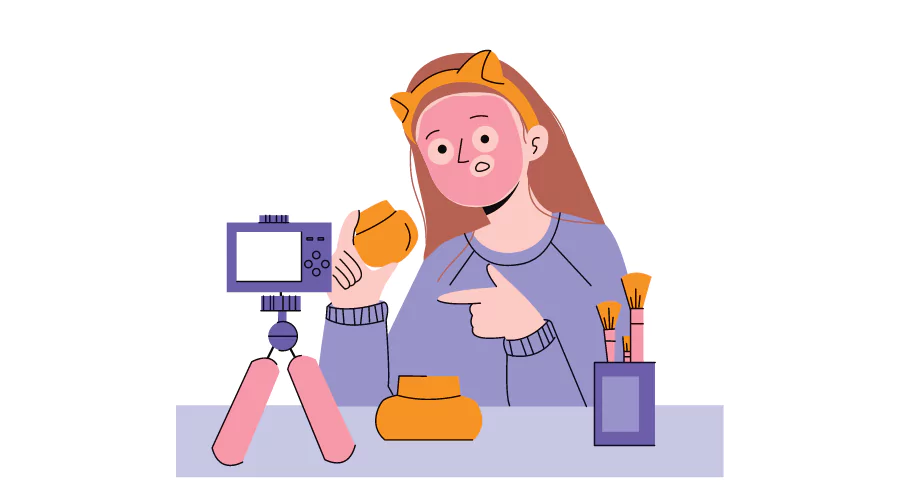
Today’s learners grow up surrounded by screens, visuals, and motion. Static text alone often fails to hold attention in a fast-paced digital world. Animation speaks the visual language learners are already fluent in, making educational messages feel familiar, engaging, and approachable rather than overwhelming.
One of the most powerful roles of animation in educational campaigns is simplification. Abstract ideas, technical processes, and layered systems can be broken down into clear visual sequences. Animation turns complexity into clarity, helping learners grasp concepts that would otherwise require long explanations.
Attention is one of the biggest challenges in modern education. Animated content naturally draws the eye and sustains interest longer than static formats. Movement, transitions, and visual storytelling keep learners engaged, increasing the likelihood that they will absorb and retain the information being presented.
Studies consistently show that people remember visuals better than text alone. Animation combines visuals with motion and timing, creating memorable learning experiences. When learners can see a concept unfold visually, it stays with them longer, reinforcing long-term retention.
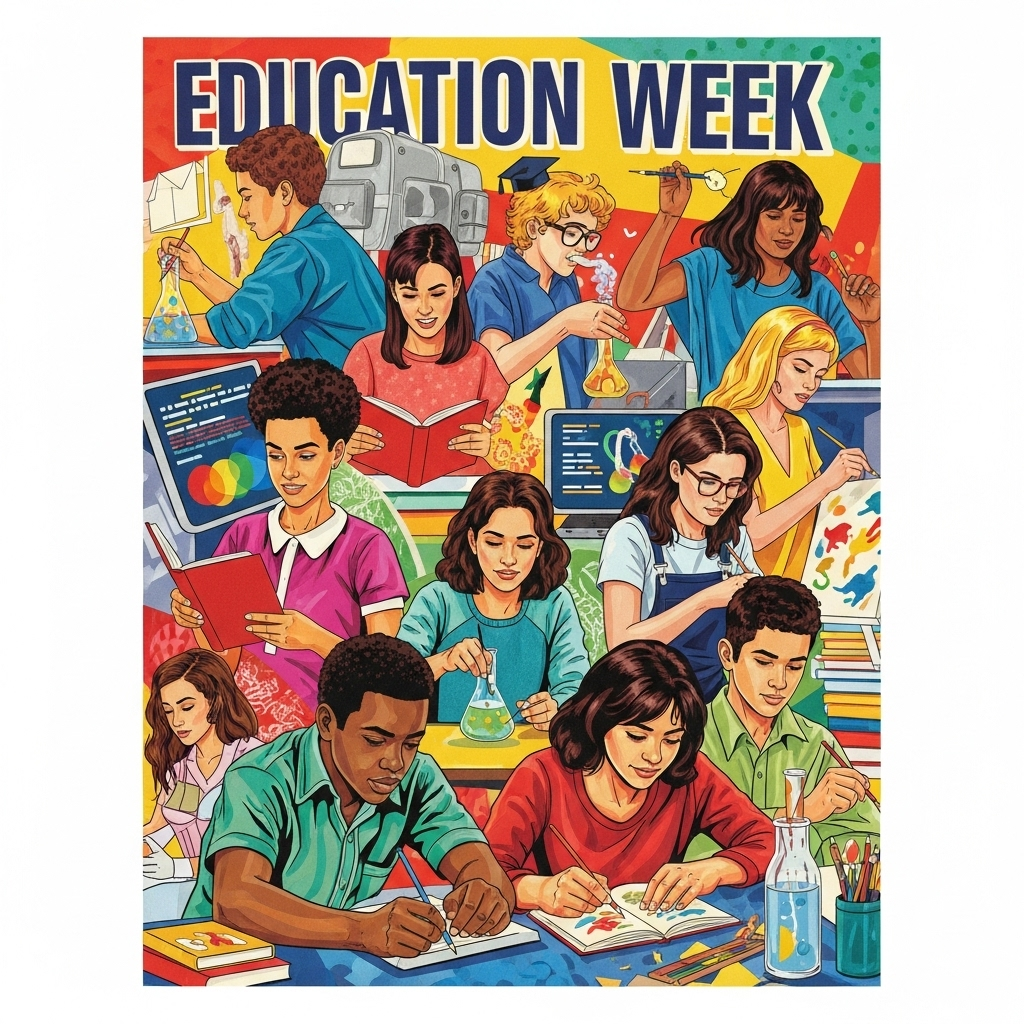
Educational campaigns often reach audiences with diverse learning styles, language backgrounds, and literacy levels. Animation transcends many of these barriers. Visual storytelling makes content more inclusive by reducing reliance on heavy text and enabling understanding through imagery and motion.
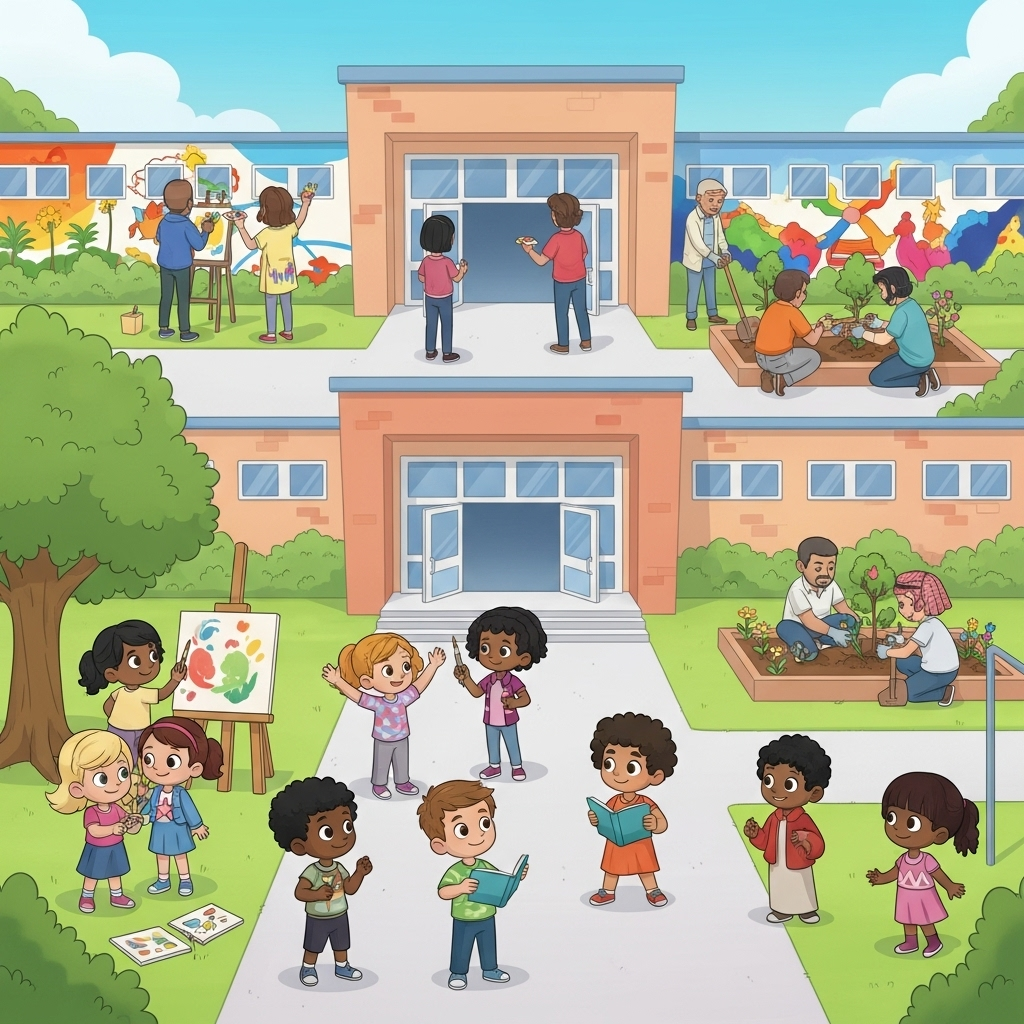
Some learners understand best by seeing, others by hearing. Animation supports both. When paired with narration or sound design, animated educational content appeals to multiple senses, making learning more effective for a wider audience.
Modern educational campaigns live on websites, social media, mobile apps, and learning management systems. Animation is naturally suited for these platforms. It scales easily across devices and maintains impact whether viewed on a smartphone or a large screen.
Education is not only about information; it is also about motivation and emotional connection. Animation can humanize topics by using characters, relatable scenarios, and storytelling. This emotional layer helps learners connect with the message on a deeper level.
Stories have always been central to learning. Animation allows educators to build narratives around lessons, transforming facts into meaningful journeys. Story-driven animation makes educational campaigns more compelling and easier to follow.
Professional animation enhances the perceived credibility of an educational campaign. High-quality visuals signal that the content is well-researched, thoughtfully designed, and worth the learner’s time. This trust is crucial for public education initiatives and institutional campaigns.
Governments, NGOs, and organizations increasingly rely on animation for public education campaigns. Topics such as health, safety, environment, and social responsibility benefit from animation’s ability to explain sensitive or complex issues clearly and respectfully.
Educational campaigns often aim to influence behavior, not just share information. Animation can model positive actions, demonstrate consequences, and inspire change in a non-threatening way. This makes it particularly effective for awareness and prevention campaigns.
Beyond schools and universities, animation plays a vital role in corporate training and professional development. Animated modules simplify policies, procedures, and technical skills, helping employees learn faster and more consistently.
Modern learners value flexibility. Animated educational content supports self-paced learning by delivering clear explanations that can be paused, replayed, and revisited. This empowers learners to control their own learning journey.
Educational campaigns often target global audiences. Animation reduces dependence on language by emphasizing visual communication. This makes educational content more accessible across cultures and regions.
Large educational campaigns require consistency in messaging and tone. Animation helps maintain a unified visual style and narrative voice across multiple lessons, modules, or platforms, reinforcing brand and educational identity.
Animated educational content often leads to higher completion rates and better engagement metrics. These measurable outcomes help organizations evaluate the success of their educational campaigns and refine their strategies over time.
While animation requires upfront investment, it offers long-term value. Animated educational assets can be reused, updated, and repurposed across campaigns, making them cost-effective over time compared to repeated live training or printed materials.
Educators increasingly use blended and flipped learning models. Animation supports these approaches by delivering core concepts visually, allowing instructors to focus on discussion, practice, and deeper exploration.
Animation sparks curiosity. Visual movement invites learners to explore topics further and ask questions. This sense of discovery is essential for meaningful education and lifelong learning.
For younger audiences, animation feels natural and engaging. Educational campaigns aimed at children and teens benefit from animation’s playful yet informative style, making learning enjoyable without sacrificing accuracy.
Animation is not limited to basic education. Complex subjects in science, technology, engineering, and medicine benefit greatly from animated explanations that visualize processes invisible to the naked eye.
Successful educational animation balances creativity with instructional clarity. The role of animation is not to entertain alone, but to support learning objectives while keeping the experience engaging and human.
As digital education continues to expand, animation will play an even greater role. Advances in technology will make animated learning more interactive, personalized, and immersive, further strengthening its place in education.
Pinnacle Animations understands that education requires clarity, empathy, and purpose. By combining creative storytelling with strategic thinking, animation becomes a powerful medium for delivering meaningful educational campaigns.
The role of animation in modern educational campaigns is both practical and transformative. It simplifies complexity, enhances engagement, supports inclusivity, and strengthens retention. As education continues to evolve, animation stands not as a trend, but as a cornerstone of effective learning communication. Through thoughtful design and purposeful storytelling, animation empowers educators and learners alike, shaping the future of education in motion.
Animation helps simplify complex topics and present information visually. It makes educational campaigns more engaging, understandable, and memorable for learners of all ages.
Animation combines visuals, motion, and storytelling, which improves attention and comprehension. Learners are more likely to stay engaged and retain information.
By visualizing abstract concepts, animation helps learners understand faster and remember longer. This leads to better comprehension and improved learning results.
Yes, animation can be tailored for children, teenagers, and adults. The style, tone, and complexity are adjusted based on the target audience.
Animation fits naturally into digital platforms such as websites, mobile apps, and online courses. It enhances content delivery in virtual learning environments.
Absolutely. Animation breaks down complex ideas into step-by-step visuals, making difficult subjects easier to understand.
Animated content feels more engaging and less intimidating than text-heavy materials. It keeps learners interested and motivated.
Visual storytelling helps the brain process and store information more effectively. Animated lessons are easier to recall than static content.
Animation complements traditional teaching rather than replacing it. It enhances lessons by providing visual explanations that support instructors.
Visual learners benefit from seeing concepts in action. Animation provides clear visual cues that reinforce understanding.
Yes, when combined with narration and sound, animation supports auditory learning. This multi-sensory approach increases comprehension.
Animation is highly effective for public awareness campaigns. It explains important topics clearly and reaches diverse audiences.
Animation visually demonstrates procedures, risks, and preventive measures. This makes critical information easier to understand and follow.
Yes, animation can model positive behaviors and outcomes. This encourages viewers to adopt better practices.
Animation reduces dependence on text and language. Visual explanations help learners from different backgrounds understand content.
Animation enhances online courses by making lessons interactive and engaging. It keeps learners focused in self-paced environments.
Learners can pause, replay, and revisit animated content. This flexibility improves understanding and confidence.
Yes, animation is widely used for corporate education. It simplifies policies, procedures, and technical training.
Animated training modules are consistent and easy to understand. They reduce confusion and improve learning efficiency.
Animation crosses language and cultural barriers. Visual communication makes content accessible worldwide.
Animation transforms lessons into engaging narratives. Storytelling makes information more relatable and meaningful.
Although animation requires initial investment, it offers long-term value. Content can be reused across multiple platforms and campaigns.
Yes, animated content can be modified or expanded. This flexibility keeps educational materials current.
Movement and visuals naturally attract attention. This keeps learners engaged longer than static content.
Animation supports schools and universities by enhancing lessons. It works well in blended and digital classrooms.
Abstract ideas become visual through animation. Learners can see processes that are otherwise invisible.
Yes, animation is effective for advanced topics like science, engineering, and medicine. It simplifies complex systems visually.
Teachers use animation to explain topics quickly and clearly. This saves time and improves lesson quality.
Animated explanations feel friendly and approachable. This reduces stress and builds learner confidence.
Younger learners connect naturally with animated content. It makes learning enjoyable and engaging.
Yes, animation reduces distractions by keeping learners visually engaged. This improves focus during lessons.
Animation aligns with blended and flipped learning models. It delivers core concepts effectively.
Animation communicates sensitive topics clearly and respectfully. This is ideal for social awareness education.
Animated visuals help explain environmental impact and solutions. This encourages awareness and responsibility.
Animation demonstrates processes step by step. Learners can observe and replicate skills more easily.
Yes, animation styles can be adapted to different audiences. Personalization improves relevance and engagement.
Engaging visuals inspire curiosity and interest. Motivated learners are more likely to continue learning.
Animation works well on mobile devices. It delivers impactful learning in short, engaging formats.
Animated campaigns maintain a consistent visual style. This strengthens educational messaging.
Professional animation enhances the credibility of educational initiatives. It builds trust with audiences.
Animation visualizes sequences over time. This makes timelines and processes easier to follow.
Animated lessons clarify difficult topics. This helps students revise more effectively.
Animation keeps learning engaging for adults. It supports continuous education across ages.
Reusable animated content reduces the need for repeated training sessions. This lowers long-term costs.
Visual explanations reduce reliance on text. This improves understanding for learners with limited reading skills.
Animation enhances remote education by keeping lessons engaging. It helps bridge physical gaps.
Clear visuals reduce ambiguity. Learners understand concepts faster and more accurately.
Animated scenarios can be used for interactive evaluations. This makes assessments more engaging.
Motion visually shows relationships between actions and outcomes. This strengthens conceptual understanding.
Short animated lessons deliver information quickly. They are ideal for microlearning.
Animated content sparks discussion and interaction. It encourages group learning.
Well-designed animation holds attention longer. This supports sustained learning.
Animation helps nonprofits communicate educational messages clearly. It increases outreach and impact.
Yes, animation clearly explains safety measures and emergency responses. This saves lives through awareness.
Visual storytelling reduces language dependence. This makes education more accessible.
Animated visuals simplify data interpretation. This improves understanding.
Clear explanations build confidence. Learners feel more capable and motivated.
Yes, animation helps train educators efficiently. It ensures consistent knowledge delivery.
Animation supports competency-based learning. It aligns with digital-first education strategies.
Engaging content leads to positive learning experiences. Satisfied learners stay engaged longer.
Movement and visuals spark interest. Curious learners explore topics further.
Animation demonstrates practical skills clearly. This benefits hands-on learning.
Visual communication supports learners with diverse needs. It enhances inclusive education.
Yes, animation improves clarity and reach. It helps educate citizens effectively.
Animation visualizes invisible processes. This makes science easier to understand.
Yes, animation adds visual interest. It transforms dull subjects into engaging lessons.
Engaging content keeps learners motivated. This improves course completion rates.
Animated stories build empathy and understanding. This supports emotional education.
Animation adapts to new platforms and technologies. It remains relevant as education evolves.
Pinnacle Animations combines creativity with educational clarity. Their animations deliver impactful, engaging, and effective learning experiences.
Power of Logo Animation for Brand Identity: Turning Static Logos into Living Brand Symbols with Pinnacle AnimationsThe Evolution of Logos in a Digital-First WorldWhy Brand[...]
How Animation Boosts Brand Awareness: Bringing Brands to Life with Pinnacle AnimationsThe Power of Animation in the Modern Branding LandscapeWhy Visual Storytelling Matters for Brand[...]
Tips for Choosing Music for Animated Promotional Videos: Pinnacle AnimationsWhy Music Matters in Animated Promotional VideosUnderstanding the Role of Music in AnimationAligning Music with Brand[...]