
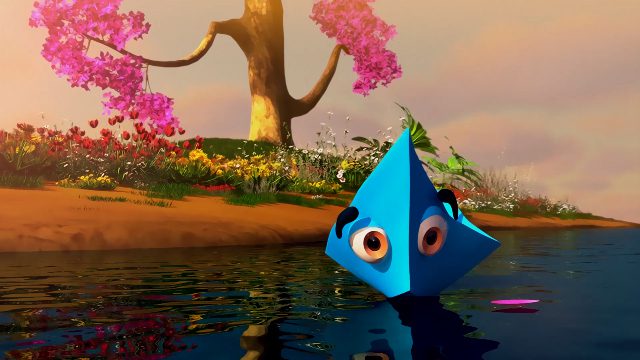
The Magic of Animation: Bringing Imagination to Life

Magic of Animation

Animation is a form of art that has captivated audiences for over a century. From classic cartoons like Mickey Mouse and Bugs Bunny to modern-day blockbusters like Frozen and The Lion King, animation has been a medium that brings imagination to life. In this blog, we will explore the magic of animation, its history, techniques, and its impact on the entertainment industry.

History of Animation

Animation can be traced back to the late 1800s when devices like the zoetrope and the praxinoscope were invented. These devices used a series of still images to create the illusion of motion. However, it wasn’t until the 1900s that animation became a popular form of entertainment.

In 1906, J. Stuart Blackton released “Humorous Phases of Funny Faces,” a short film that used stop-motion animation to bring drawings to life. Soon after, the first hand-drawn animated short films were released, including “Gertie the Dinosaur” in 1914 and “Steamboat Willie” in 1928, which introduced audiences to the iconic character of Mickey Mouse.

Throughout the 20th century, animation continued to evolve, with the introduction of new techniques like cel animation, computer-generated imagery (CGI), and motion capture. Today, animation is a multi-billion-dollar industry that includes feature films, television shows, video games, and even virtual reality experiences.

Techniques of Animation

There are several techniques used in animation, each with its unique style and characteristics. Here are some of the most popular animation techniques:

  1. Traditional Animation: Also known as cel animation, this technique involves drawing each frame by hand, which is then photographed to create the illusion of motion.
  2. Stop Motion Animation: This technique involves moving physical objects in small increments and taking photographs of each movement, which are then played back to create the illusion of motion.
  3. Computer-Generated Imagery (CGI): This technique involves creating digital models and environments and animating them using software programs.
  4. Motion Capture: This technique involves capturing the movements of actors and applying them to digital models to create realistic animations.

Impact of Animation

Animation has had a significant impact on the entertainment industry, inspiring generations of artists, filmmakers, and storytellers. It has also played a crucial role in bringing stories and characters to life in ways that live-action films cannot.

Animation has also become a powerful tool for education and communication, with animated videos and presentations used to teach complex concepts and ideas in an engaging and accessible way.

Conclusion

Animation is a magical art form that continues to captivate audiences around the world. Its rich history, diverse techniques, and impact on the entertainment industry make it an essential part of popular culture. Whether it’s through hand-drawn animations or cutting-edge CGI, animation brings imagination to life and allows us to explore worlds beyond our imagination.

Share

Motion Graphics: Bringing Creativity to Life

Motion Graphics

In today’s fast-paced world, we’re constantly bombarded with visual content. From social media ads to television commercials, businesses and individuals are constantly vying for our attention. That’s where motion graphics come in – a powerful tool for communicating complex ideas in a visually compelling way. In this blog post, we’ll explore the world of motion graphics and why they’re an essential part of modern visual communication.
What are Motion Graphics?
Motion graphics are a form of animation that use graphics, text, and other visual elements to bring static images to life. They’re often used in advertising, explainer videos, and other forms of visual communication to explain complex ideas in a simple and engaging way.
Motion graphics can take many forms, from simple animated logos and text to more complex 3D animations and visual effects. They can be used to tell a story, highlight a product, or simply add visual interest to a video.

Share

The Magic of VFX: Bringing Imagination to Life

Magic of VFX

Have you ever watched a movie or a TV show and wondered how they created those incredible visual effects? The answer is VFX, short for visual effects. VFX is the process of creating, manipulating, or enhancing visuals using computer-generated imagery (CGI). From blockbuster movies to TV commercials, VFX has become an essential part of modern visual storytelling. In this blog post, we’ll explore the world of VFX and why it’s such an important tool for bringing imagination to life.
What is VFX?
VFX refers to any imagery that is created or enhanced using computer-generated technology. This can include anything from simple wire removal to complex 3D animations and compositing. VFX artists use specialized software to create and manipulate digital images, making it possible to achieve anything the imagination can conjure up.

Share

NFTs: The Future of Digital Art

NFTs: The Future of Digital Art

In recent years, a new type of digital asset has been making waves in the art world: non-fungible tokens, or NFTs. These unique digital assets are authenticated on the blockchain, making them rare and valuable. But what exactly are NFTs, and why are they so popular? In this blog post, we’ll explore the world of NFTs and their impact on the art world.
What are NFTs?
At their core, NFTs are digital assets that are verified on the blockchain. Unlike traditional cryptocurrencies like Bitcoin, which are fungible (meaning they can be exchanged for one another), NFTs are unique and non-interchangeable. This makes them perfect for digital art, where the value lies in the uniqueness and rarity of the piece.
NFTs can take many forms, including digital art, music, videos, and even tweets. When an NFT is created, it is assigned a unique code on the blockchain, which serves as proof of ownership. This means that the original creator of the NFT can prove that they are the rightful owner, and that the NFT has not been duplicated or forged.

Share